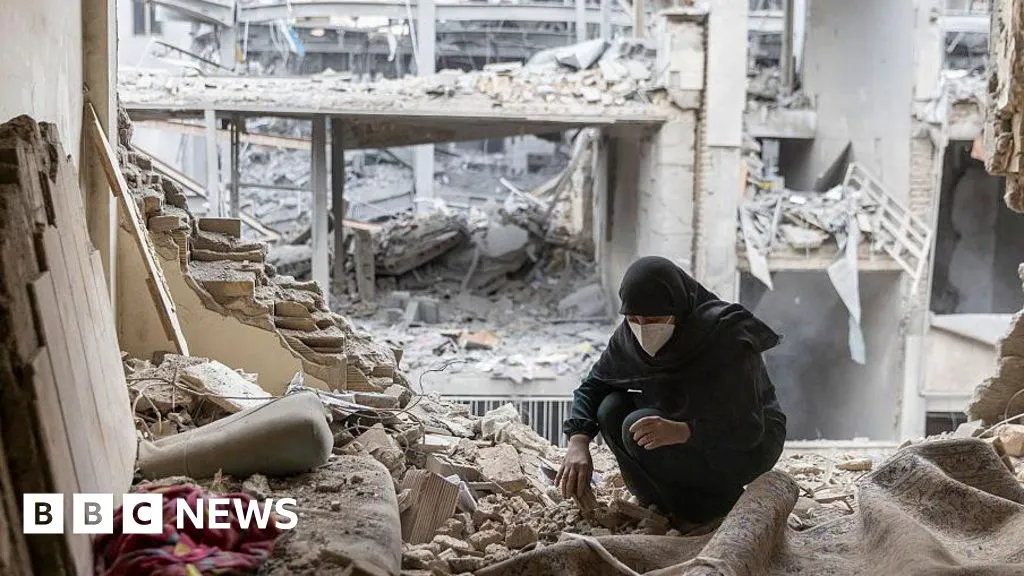
In a dramatic escalation of the Israel-Iran war, Israel has launched a wave of strikes targeting Iranian infrastructure in Isfahan, while Iran retaliated by firing missiles at central Israel, resulting in destruction and injuries. The conflict has already claimed the life of an Israeli soldier in Lebanon, heightening tensions in the region.
Israel’s defense minister announced the killing of Alireza Tangsiri, head of the Iranian Revolutionary Guard’s navy, a significant blow to Iran’s military leadership. Meanwhile, the U.S. has presented a 15-point action list for a peace deal to Iran through Pakistan, aiming to de-escalate the situation.
In response, Iran has countered with five conditions for ending the war, including war reparations and rights over the strategically vital Strait of Hormuz, which has seen blocked traffic since the conflict began. The Pentagon is preparing to deploy up to 3,000 paratroopers from the Army’s 82nd Airborne Division to the Middle East, underscoring the seriousness of the situation.
The UAE has intercepted 15 missiles and several drones launched from Iran, reflecting the broader regional implications of the conflict. Brent crude oil prices have surged to over $107 a barrel amid fears of supply disruptions, with Iran’s Parliament planning to formalize fees for ships passing through the Strait of Hormuz, which typically sees 130 vessels daily.
As the situation unfolds, observers express concern over the potential for a wider conflict. “This war is a catastrophe for the world’s economies,” stated German Defense Minister Boris Pistorius, while UAE Ambassador Yousef Al Otaiba emphasized, “Iran cannot be allowed to hold the global economy hostage.”
Details remain unconfirmed regarding the effectiveness of the U.S. peace proposal and Iran’s response. The exact outcome of the ongoing indirect talks between the U.S. and Iran remains unclear, as does the full impact of the U.S. troop deployment in the region.