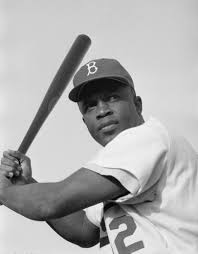
The Importance of Jackie Robinson
Jackie Robinson is a name synonymous with courage, resilience, and groundbreaking change in the world of sports and society. Born on January 31, 1919, in Cairo, Georgia, Robinson became the first African American to play in Major League Baseball (MLB) in the 20th century when he debuted with the Brooklyn Dodgers on April 15, 1947. This monumental achievement not only changed the landscape of baseball but also served as a catalyst for the Civil Rights Movement in the United States.
The Journey Begins
Robinson’s journey to the baseball diamond was filled with challenges, including racial discrimination and social injustice. His early years at UCLA showcased his exceptional athletic talent, excelling in football, basketball, and track. However, it was his prowess in baseball that would eventually lead him to the MLB. After serving in the military during World War II, Robinson joined the Montreal Royals, a minor league affiliate of the Dodgers, where he showcased his skills and determination.
Major League Breakthrough
Robinson’s MLB debut was met with mixed reactions, sparking both support and fierce opposition. Facing hostility from fans and players alike, he maintained his composure and proved his capability on the field. His talent and determination earned him the Rookie of the Year award in 1947, and he went on to have a stellar career, culminating in six All-Star selections and a National League Most Valuable Player (MVP) award in 1949. His batting average of .311 and ability to steal bases revolutionized the game and reshaped player strategies.
Legacy and Impact
Jackie Robinson’s legacy extends far beyond his athletic achievements. He became an influential figure in the fight against racial segregation and discrimination. Robinson used his platform to advocate for civil rights, and after retiring from baseball in 1956, he was actively involved in various social justice initiatives. His life story continues to inspire generations, serving as a reminder of the importance of diversity, equality, and perseverance in all aspects of life.
Conclusion: Continued Relevance
On April 15 each year, Major League Baseball commemorates Jackie Robinson Day, celebrating his contributions to the game and society. As we reflect on his legacy, it’s clear that Jackie Robinson’s influence continues to resonate today. His courage to stand against racism and his commitment to excellence serve as a beacon of hope and inspiration in an ongoing fight for social justice. Readers are reminded that in the spirit of Jackie Robinson, the quest for equality and fairness in all fields, including sports, remains ever relevant and crucial.