Introduction
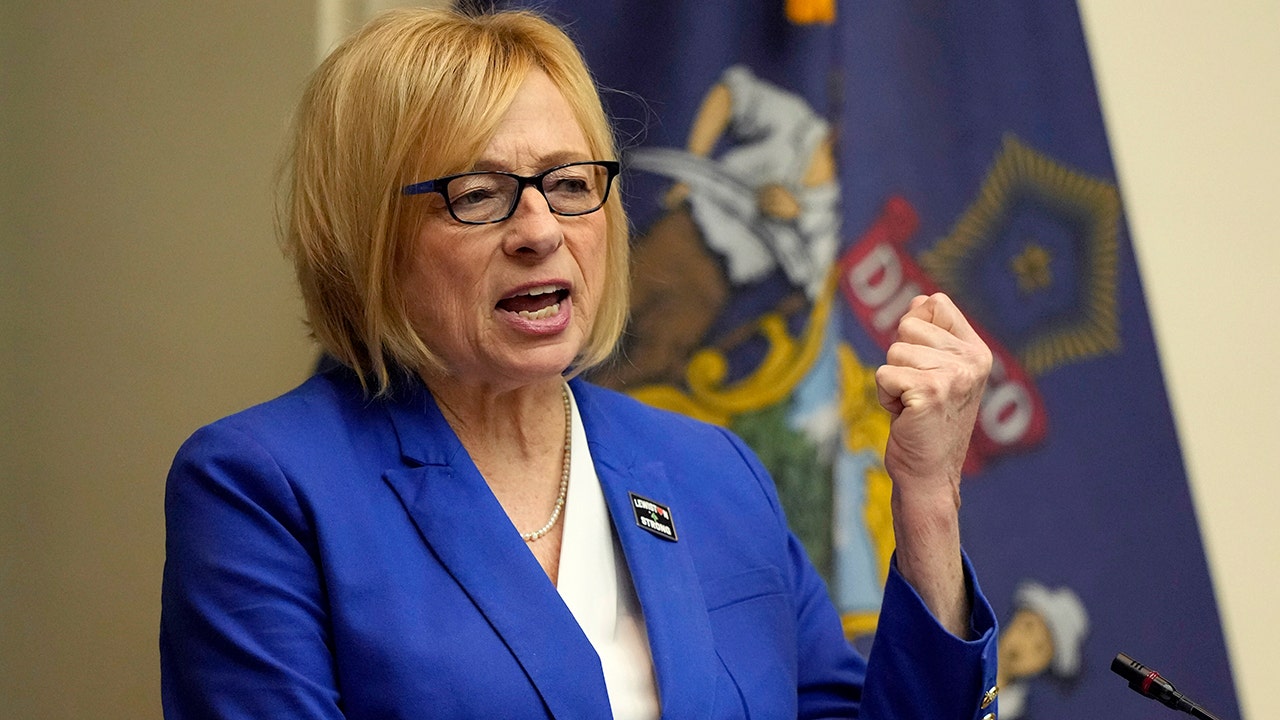
Janet Mills has made history as Maine’s first female governor, serving since January 2019. Her tenure is marked by a commitment to progressive policies aimed at addressing key issues such as healthcare, education, and climate change. Mill’s leadership is especially relevant in today’s political climate, where the intersection of state and federal policies poses significant challenges and opportunities for residents.
Achievements and Initiatives
Since taking office, Governor Mills has prioritized expanding access to healthcare and education. One of her most notable achievements is the expansion of Medicaid under the Affordable Care Act, which has included an additional 90,000 low-income residents in healthcare coverage. This move has been instrumental in reducing the number of uninsured residents in Maine, highlighting Mills’ commitment to health equity.
In education, Mills has advocated for increased funding in public schools. In her latest budget, she proposed a significant increase in state aid for K-12 education, which aims to enhance resources for students and support teachers. This is critical as many schools face financial challenges, and her initiatives are designed to address educational disparities.
Response to Climate Change
Climate change is another area where Mills has taken substantial action. In 2021, she signed into law a comprehensive energy policy aimed at achieving carbon neutrality by 2045. This initiative is part of Maine’s broader strategy to reduce greenhouse gas emissions and transition to renewable energy sources. Governor Mills’ approach reflects a growing recognition of the urgent need to combat climate change at all levels of government.
Challenges Ahead
Despite her successes, Mills faces challenges, especially with a divided legislative landscape and economic repercussions from the COVID-19 pandemic. The most recent budget negotiations highlighted tensions among party lines, as different factions push for varying approaches to taxation and resource allocation. Additionally, addressing the state’s workforce shortages remains a critical focus for her administration as businesses seek to recover from pandemic impacts.
Conclusion
Janet Mills’ tenure as governor is significant not just for Maine, but as a case study in progressive governance in the United States. Her commitment to healthcare, education, and climate action offers a roadmap for other states considering similar policies. As she navigates challenges ahead, her ability to unify diverse interests will be crucial in shaping Maine’s future. Observers will be watching closely, as her approach may set precedents for other governors across the country.