Introduction
The sporting rivalry between Japan and Brazil has become increasingly significant in the realm of international competitions, particularly in soccer. Recognized for their distinct playing styles and enthusiastic fan bases, these two nations have clashed in various tournaments, fostering a unique blend of cultural exchanges and sportsmanship. Understanding their rivalry unveils not only the competitive spirit of the games but also the growing influence of Asian teams in the global sports arena.
Soccer: The Heart of the Rivalry
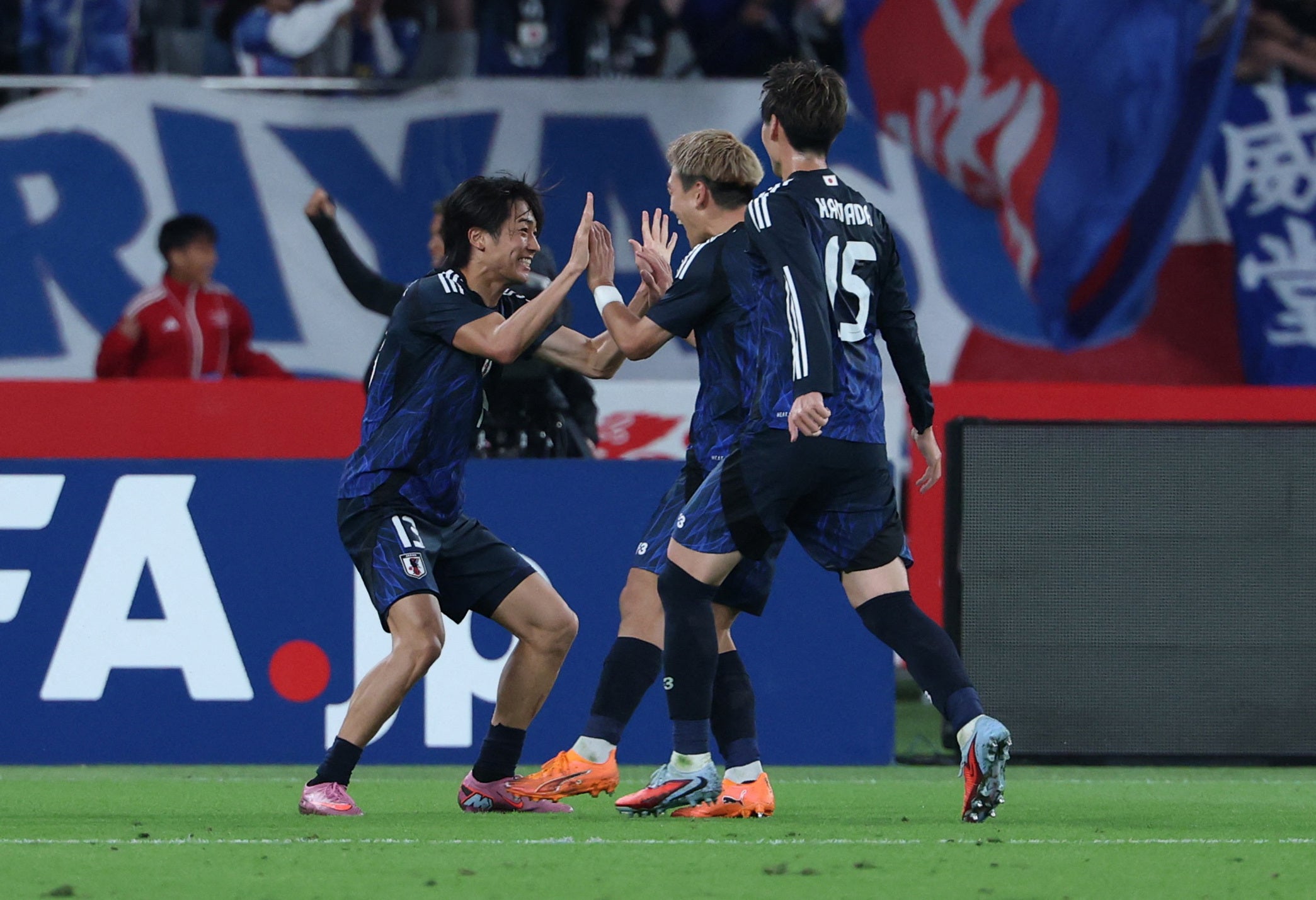
Japan and Brazil are no strangers to the soccer field, with Brazil being a dominant force historically, boasting five FIFA World Cup titles. Conversely, Japan’s national team, known as the Samurai Blue, has made considerable strides on the international stage, highlighted by their consistent presence in World Cup tournaments since 1998. Their matches often attract attention due to the contrast in playing styles: Brazil’s flair and skill against Japan’s tactical discipline and teamwork.
Recent Encounters
The last meeting between Japan and Brazil took place in November 2022 during the Kirin Challenge Cup, where Brazil emerged victorious with a 1-0 scoreline. This match showcased not only Brazil’s persistent dominance but also Japan’s evolving strategies and capabilities. As both teams prepare for future competitions, the stakes remain high for upcoming encounters, especially with the FIFA World Cup 2026 on the horizon.
Broader Cultural and Sporting Exchanges
Beyond soccer, various other sports have seen competitive interactions between Japan and Brazil. In judo, Brazil has cultivated a formidable reputation, producing several world-class judokas, while Japan remains the birthplace of the sport. This cross-cultural influence helps foster mutual respect and admiration.
Impact and Significance
The competitive history between Japan and Brazil serves as a lens through which to view the broader impact of sports on international relations. Sports have the power to bridge cultural divides and create lasting friendships among nations. As Japan continues to develop its athletic prowess and Brazil maintains its legacy, future encounters are sure to captivate audiences and enhance global sportsmanship.
Conclusion
The enduring rivalry between Japan and Brazil highlights a significant narrative in the world of sports, one marked by competition, respect, and mutual growth. As both nations gear up for forthcoming tournaments, fans can expect thrilling clashes that not only entertain but also symbolize the spirit of global sporting culture. The evolution of football in Asia, represented by Japan, combined with Brazil’s traditional dominance, indicates a promising future where both nations continue to challenge and inspire each other on the world stage.