Introduction
Jensen Huang, the co-founder and CEO of NVIDIA, is a prominent figure in the world of technology, known for his groundbreaking contributions to artificial intelligence (AI) and graphics processing units (GPUs). In an era where AI is dictating the future of technology, Huang’s influence and leadership are more relevant than ever. Under his guidance, NVIDIA has transformed from a company primarily focused on gaming graphics into a pioneer in AI technology and deep learning.
Key Developments Under Huang’s Leadership
Founded in 1993, NVIDIA initially gained fame for its graphics cards, but Huang’s vision extended beyond gaming. In the past few years, NVIDIA has made remarkable strides in AI, particularly with its GPUs being at the forefront of machine learning and data analysis. Recent advancements include the launch of the NVIDIA H100 Tensor Core GPU and the development of the NVIDIA Omniverse, a 3D simulation platform ripe with potential for creators and developers.
In 2023, NVIDIA reported staggering revenues that highlighted the soaring demand for AI technologies. Their second-quarter revenue reached $13.51 billion, a 101% increase from the previous year, largely fueled by the rising needs of AI-driven applications. This growth has propelled NVIDIA’s market value, making it one of the most valuable companies in the tech sector.
Jensen Huang’s Vision for the Future
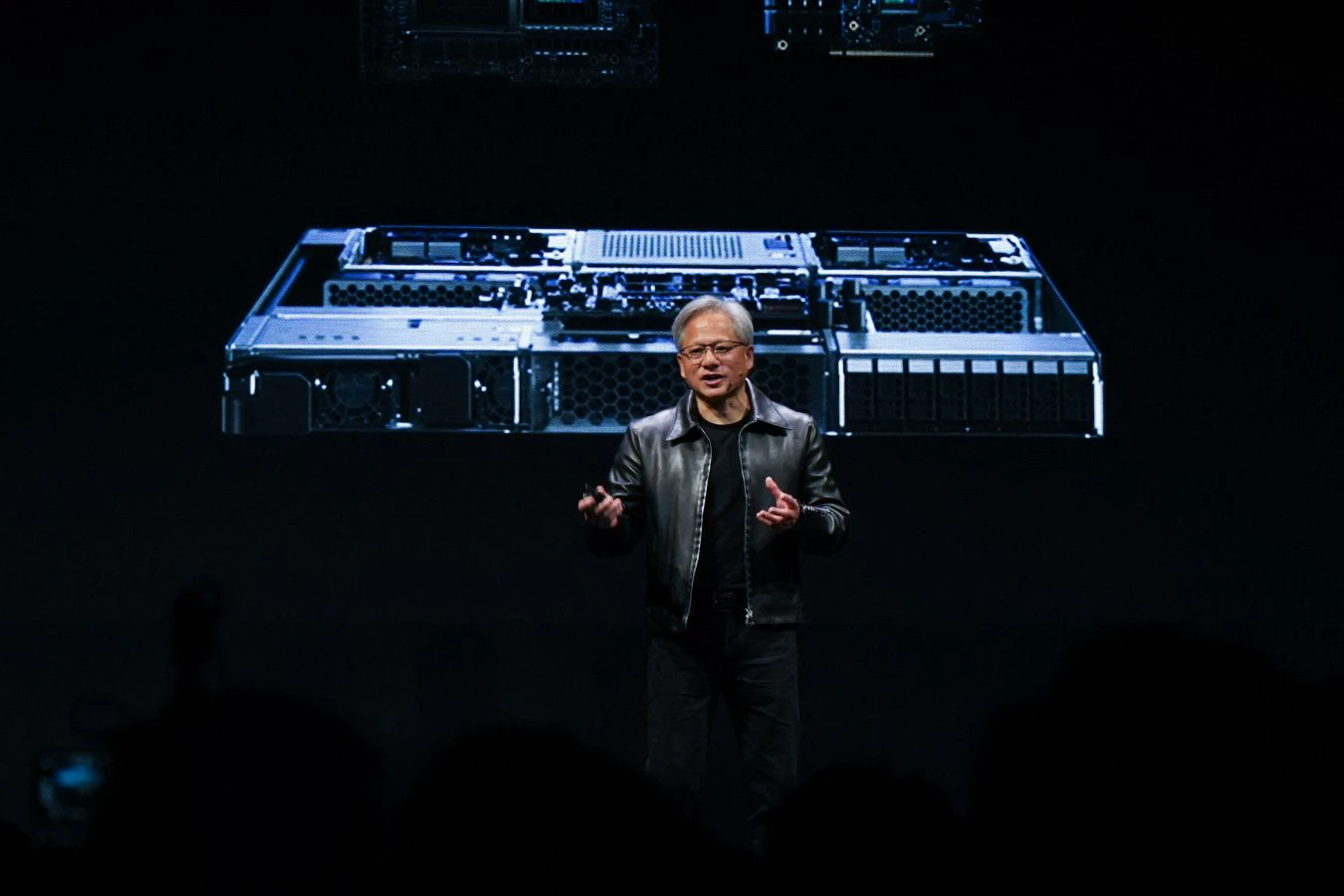
Huang continues to innovate by investing in sectors such as automotive technology, healthcare, and data centers, all of which benefit from AI applications. During a recent keynote address at the GPU Technology Conference (GTC), Huang emphasized the importance of responsible AI development, stressing the need for ethical considerations as the technology rapidly evolves. His commitment to advancing AI responsibly offers a glimpse into how Huang balances innovation with societal responsibilities.
Conclusion
The significance of Jensen Huang’s leadership cannot be overstated. His ability to navigate the complexities of technological advancements has made him a key player in shaping the future of AI and computing. As NVIDIA continues to lead in these spaces, the implications of Huang’s work will resonate across multiple industries, indicating that the future of technology will be heavily influenced by the principles and innovations championed by this visionary leader. For readers interested in the trajectory of AI and technology, following Huang’s journey offers valuable insights into where these fields are headed.