Introduction
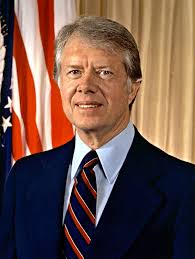
Jimmy Carter, the 39th President of the United States, has been a significant figure in American history for decades. His dedication to humanitarian work, post-presidency achievements, and commitment to peace have made him a notable statesman and advocate for social justice. As he approaches his 99th birthday in October 2023, the relevance of his work remains profound, inspiring generations to follow in his footsteps.
Carter’s Early Life and Political Career
Born on October 1, 1924, in Plains, Georgia, Carter grew up in a rural farming community. After graduating from the U.S. Naval Academy in 1946, he served in the Navy before returning to Georgia to manage the family peanut farm. His political career began in the state Senate in the 1960s, and he went on to serve as the Governor of Georgia from 1971 to 1975. His commitment to reforming education, promoting racial equality, and environmental conservation distinguished his governorship, setting the stage for his successful presidential campaign in 1976.
Presidency and Key Achievements
Carter’s presidency was marked by significant domestic and international challenges. His administration is renowned for major achievements, including the Camp David Accords, which brokered peace between Israel and Egypt, and the emphasis on human rights in foreign policy. Domestically, he promoted energy conservation and established the Department of Education. However, his presidency faced difficulties such as the Iran Hostage Crisis and a struggling economy, which ultimately influenced the outcome of the 1980 election.
Post-Presidency Humanitarian Work
After leaving the White House, Carter remained an active public servant. He founded the Carter Center in 1982, focusing on peace initiatives, disease eradication, and political development worldwide. Notably, his efforts in monitoring elections globally have earned him respect as an elder statesman committed to democracy and human rights. In 2002, Carter was awarded the Nobel Peace Prize for his years of work advocating for peace and humanitarian efforts. His legacy extends beyond politics, as he has become a symbol of compassion and integrity.
Conclusion
Jimmy Carter’s life exemplifies a dedication to public service that is increasingly rare in contemporary politics. As he celebrates nearly a century of life and service, his principles regarding peace, democracy, and humanitarian work offer invaluable lessons for current and future leaders. With ongoing global challenges, Carter’s legacy reminds us of the importance of empathy and active engagement in bettering the world. His journey inspires individuals to contribute positively to society, proving that true leadership extends beyond mere political power.