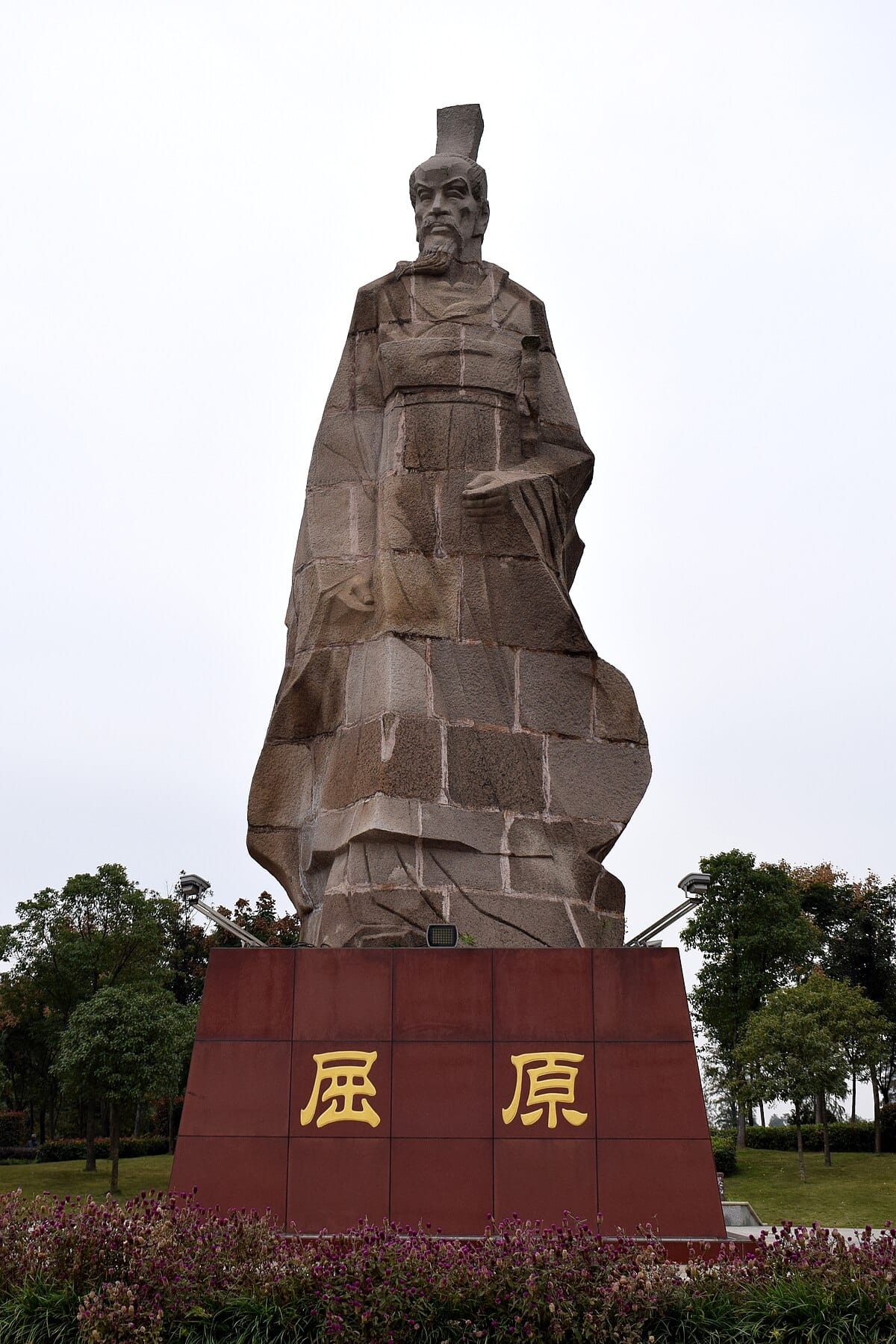
Introduction
Jingzhou, located in Hubei Province, China, is a city steeped in rich history and culture. As the former capital of the ancient Jing Kingdom and a critical point during the Three Kingdoms period, Jingzhou offers a unique glimpse into China’s past. Today, this vibrant city is not only a hotspot for historical tourism but also a center for modern development, making it increasingly relevant in discussions about Chinese heritage and urban growth.
Historical Significance
The history of Jingzhou dates back over 2,000 years and is famous for its military and cultural heritage. The city served as a strategic military stronghold during the Chu-Han Contention, a pivotal period in Chinese history. The ancient city walls, still standing, are testament to its historical significance, revealing architectural styles from the Ming and Qing dynasties. Key attractions such as the Jingzhou Museum house numerous artifacts from this era, including ancient relics and cultural artifacts that narrate the story of the city’s prominence.
Cultural Attractions
Jingzhou is home to several notable cultural landmarks. The Jingzhou Ancient City Wall, a well-preserved defensive structure, attracts thousands of tourists annually, providing panoramic views of the city. Additionally, the ancient Han Street, filled with local crafts and cuisine, captures the essence of traditional Chinese culture while blending with contemporary dining and shopping experiences. Another must-visit site is the Guandi Temple, dedicated to the legendary general Guan Yu, which reflects the region’s rich tales and legends.
Modern Developments
In recent years, Jingzhou has undergone significant urban development. The city is focusing on infrastructure improvements, enhancing transportation networks that connect it to major cities across the region. Investments in technology and tourism have opened new avenues for economic growth, positioning Jingzhou as a rising star in southeastern China. The local government aims to balance preservation of historical sites while developing modern conveniences for residents and visitors alike.
Conclusion
Jingzhou stands as a remarkable example of a city where the past harmoniously coexists with the present. As efforts to promote tourism, preserve historical sites, and enhance urban living continue, Jingzhou is likely to gain further acknowledgment both domestically and internationally. The current momentum indicates a promising future for the city, presenting opportunities for cultural exchange and educational tourism that could benefit many. For those keen on exploring Chinese history and culture, Jingzhou is undoubtedly a destination that should not be overlooked.