Introduction
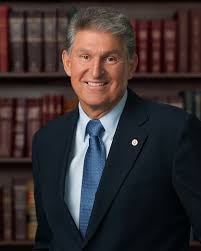
Joe Manchin, the senior senator from West Virginia, has consistently been a pivotal figure in U.S. politics, especially as the Democratic Party navigates a closely divided Congress. His centrist views and willingness to cross party lines have made him a significant player in critical legislative negotiations. As the nation approaches important policy decisions, understanding Manchin’s influence and positions has become increasingly relevant.
Recent Legislative Actions
In recent months, Joe Manchin has been at the forefront of various key issues, including infrastructure, climate change policies, and economic recovery efforts. His vote is often seen as a swing vote in the Senate, particularly after the Democrats secured a narrow majority. In 2021, he played a crucial role in negotiating the bipartisan infrastructure bill that allocated $1.2 trillion for roads, bridges, and broadband expansion.
Furthermore, Manchin’s stance on climate change has come under scrutiny. Initially a supporter of ambitious climate goals, he has tempered his enthusiasm due to concerns over the economic impact on West Virginia’s coal industry—a major employer in his state. His recent proposals indicate a focus on balanced climate solutions that address both environmental needs and job security in traditional energy sectors.
Challenges and Controversies
Despite his centrism, Manchin faces significant challenges, including backlash from progressive factions both within his party and among constituents. Many accuse him of blocking more aggressive reforms aimed at addressing climate change and social justice issues, emphasizing the struggle between progressive goals and the realities of bipartisan politics. In turn, Manchin has defended his positions by advocating for a more moderate approach that he believes strikes a balance between economic growth and social responsibility.
Conclusion
As the political landscape continues to evolve, the significance of Joe Manchin in Senate discussions is likely to endure. His unique position as a centrist representative will remain influential in determining the success or failure of critical legislation in the years to come. Observers will closely watch his movements, particularly as the nation prepares for future elections and policy debates. Whether his approach results in compromise or continued contention will shape not only the legislative agenda but also the political climate leading up to 2024.