Introduction
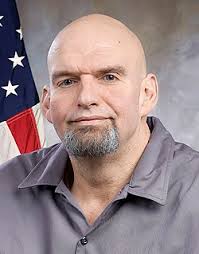
John Fetterman, the junior senator from Pennsylvania, has quickly become a significant figure in American politics. Known for his distinctive style and progressive policies, Fetterman took office in January 2023, representing the Democratic Party. His rise to this prominent position highlights the changing landscape of American politics and the growing influence of younger, more unconventional leaders.
Background and Political Journey
Before entering the Senate, John Fetterman served as the Mayor of Braddock, Pennsylvania, a position he held from 2006 until his election to the Senate. During his time as mayor, he gained a reputation for his hands-on approach to community issues and his efforts to revitalize a town struggling with economic hardships. Fetterman’s journey in politics was shaped by his own life experiences, including a journey of personal growth and a commitment to serve communities in need.
Key Initiatives and Policies
Fetterman’s platform focuses on several critical issues, including healthcare reform, criminal justice reform, and economic equity. One of his most notable initiatives is his push for Medicare for All, reflecting a growing movement within the Democratic Party towards universal healthcare. As a strong advocate for mental health services, he emphasizes the need for comprehensive support systems particularly in underserved communities.
Furthermore, Fetterman is vocal about the opioid crisis affecting Pennsylvania and the nation. He champions measures aimed at improving addiction treatment and prevention resources. His commitment to these issues resonates with many constituents who are facing similar challenges.
Recent Developments
Fetterman has been in the news recently for both his persistent advocacy and his health struggles. After a life-threatening health scare, he has been open about his journey to recovery, garnering both sympathy and admiration from supporters and critics alike. This transparency has humanized his political persona, reinforcing his image as an authentic and relatable public servant.
Conclusion
As John Fetterman continues to navigate the complexities of Senate politics, his influence is expected to grow. His ability to connect with everyday Americans and address their concerns stands out in a divided political environment. Observers will be watching closely to see how his policies unfold and whether his unique approach can inspire further change in the American political landscape. Fetterman’s journey serves as a reminder of the potential for fresh perspectives in governance and the importance of grassroots movements in shaping political discourse.