Introduction
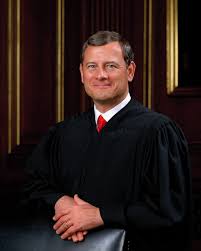
John Roberts has served as the Chief Justice of the United States Supreme Court since 2005. The significance of his position cannot be understated, as Supreme Court justices play a critical role in interpreting the Constitution and influencing laws that affect daily life for millions of Americans. Roberts’ decisions and leadership style have shaped pivotal court rulings and have navigated some of the most contested issues in modern America.
Roberts’ Background
Born in Buffalo, New York, in 1955, John Roberts graduated from Harvard College in 1976 and earned his J.D. from Harvard Law School in 1979. Before his appointment to the Supreme Court, he had an extensive legal career, serving in various capacities, including a judge on the U.S. Court of Appeals for the D.C. Circuit. His legal expertise and experience positioned him as a highly regarded figure in conservative legal circles.
Key Supreme Court Decisions
During his tenure, Chief Justice Roberts has played a pivotal role in numerous landmark cases. Notably, he was in the majority for the Affordable Care Act (ACA) case in 2012, demonstrating his willingness to uphold legislation that some believed was outside Congress’s authority. His perspective often reflects a conservative stand, yet he has also shown a tendency for moderate rulings that balance competing interests.
In recent years, Roberts has been at the center of significant debates around voting rights, immigration, and reproductive rights. Reaffirming the necessity of responsible judicial conduct, he has emphasized a measured approach to judicial review, often characterized by his desire for the court to maintain its legitimacy above the fray of political partisanship.
Challenges and Controversies
Despite his calm demeanor and efforts at consensus-building, Roberts has faced challenges. The court’s decisions have drawn criticism from both progressive and conservative sectors, particularly on issues like gerrymandering and gun rights. Critics argue that his shift towards a more conservative axis has profound implications for civil rights and protections in the U.S.
Conclusion
As Chief Justice of the Supreme Court, John Roberts holds immense power and responsibility. His influence in shaping judicial precedent will resonate for generations to come. Looking ahead, observers will closely monitor not only his future decisions but also how he navigates the increasingly polarized environment surrounding the court. The 2024 Presidential Election could further alter the dynamics of the court, and Roberts’ role will be crucial in either mitigating or exacerbating partisan conflicts. Ultimately, his tenure continues to underscore the critical balance between law and the political landscape in the United States.