Introduction
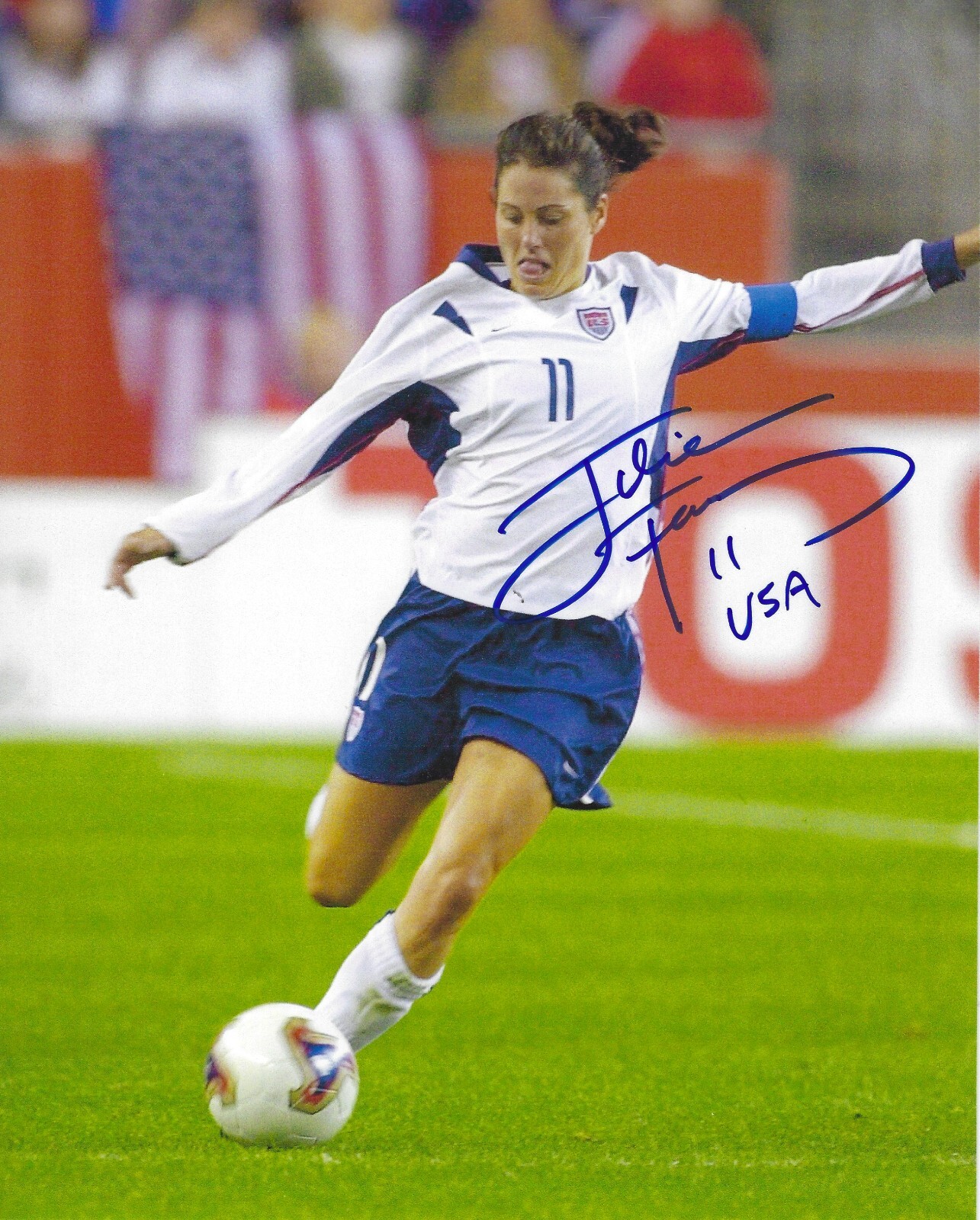
Julie Foudy is a prominent name in the world of women’s soccer, both as a player and an advocate for female athletes. With a career spanning over a decade and a half, Foudy’s impact extends beyond the soccer field. She has become a symbol of leadership, equality, and empowerment in sports, making her a relevant figure in discussions about women’s rights and opportunities in athletics today.
Early Career and Rise to Fame
Born on January 23, 1971, in San Diego, California, Julie Foudy began her soccer journey at a young age. She honed her skills at the University of Notre Dame, where she was a standout player. Foudy was selected to the U.S. Women’s National Soccer Team in 1987, debuting at the age of 16. Over the next two decades, she became a cornerstone of the team, earning two FIFA Women’s World Cup titles in 1991 and 1999, and an Olympic gold medal in 1996.
Leadership and Advocacy
Foudy’s leadership on and off the field has left an indelible mark on women’s sports. After retiring in 2004, she continued to advocate passionately for gender equality in sports—co-founding the ‘Julie Foudy Sports Leadership Academy’ to empower young girls through sports. She has used her platform to discuss critical issues, including equal pay for female athletes. Foudy has also been vocal in supporting the recent push by the U.S. Women’s National Team for equitable compensation, further emphasizing her role as a trailblazer in this ongoing fight.
Legacy and Continued Influence
Julie Foudy’s contributions to soccer and her relentless pursuit of equality have earned her numerous accolades, including her induction into the National Soccer Hall of Fame in 2007. In addition to her achievements in soccer, she has made significant strides in broadcasting as an analyst for ESPN, providing insights into the game while continuing to inspire the next generation of athletes.
Conclusion
Julie Foudy’s legacy is a testament to the power of sports as a platform for change. Her dedication to the game, coupled with her commitment to advocacy for women athletes, makes her a vital figure in both soccer and society. As discussions around pay equity and gender equality continue, Foudy’s voice remains essential, inspiring future athletes to strive for greatness both in sports and beyond. As we look to the future, Foudy’s impact is certain to resonate, solidifying her status not only as a sports icon but also as a leader for change.