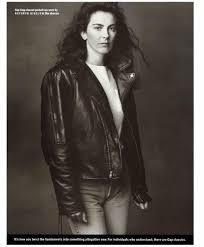
Introduction
Kathryn Bigelow has made an indelible mark on the film industry, becoming a pioneering female director renowned for her innovative approach to storytelling. As the first woman to win the Academy Award for Best Director for her 2008 film *The Hurt Locker*, Bigelow’s work has not only challenged gender norms in Hollywood but has also elevated the discourse around war and violence through her cinematic lens. Her films have garnered critical acclaim and commercial success, solidifying her status as a significant figure in contemporary cinema.
Career Highlights
Beginning her career in the 1980s, Bigelow initially made a name for herself with films like *Near Dark* (1987), which blended horror and western genres. However, it was her 2008 film *The Hurt Locker*, which follows a U.S. Army bomb disposal team in Iraq, that catapulted her to international fame, earning six Academy Awards including Best Picture and Best Director. In 2012, she continued to focus on gripping narratives with *Zero Dark Thirty*, chronicling the hunt for Osama bin Laden, which sparked discussions on topics such as ethics in warfare and torture.
Influence and Recognition
Bigelow’s directorial style is characterized by its visceral realism, often immersing viewers into intense situations that reflect the complexities of human emotion and war. Critics have praised her ability to portray violence without glorifying it, a distinction that sets her work apart from many of her contemporaries. Beyond her Academy Awards, Bigelow has received numerous accolades, including the BAFTA Award for Best Film and recognition from the Directors Guild of America. Her influence extends beyond film, as she has become a role model for women in a traditionally male-dominated industry, inspiring a new generation of female filmmakers.
Current Projects and Future Outlook
As of 2023, Bigelow is reportedly working on a new film based on the story of the legendary Mexican muralist Diego Rivera, which promises to further showcase her unique storytelling style. With an illustrious career spanning over three decades, her continued dedication to compelling narratives highlights an industry increasingly recognizing the importance of diverse voices.
Conclusion
Kathryn Bigelow’s contributions to filmmaking are profound, as she continues to challenge conventions and inspire change within the industry. Her work not only entertains but also provokes thought and conversation, ensuring her legacy will endure. As filmmakers navigate new landscapes in storytelling, Bigelow remains a pivotal figure in exploring narrative boundaries while emphasizing the significance of female perspectives in cinema.