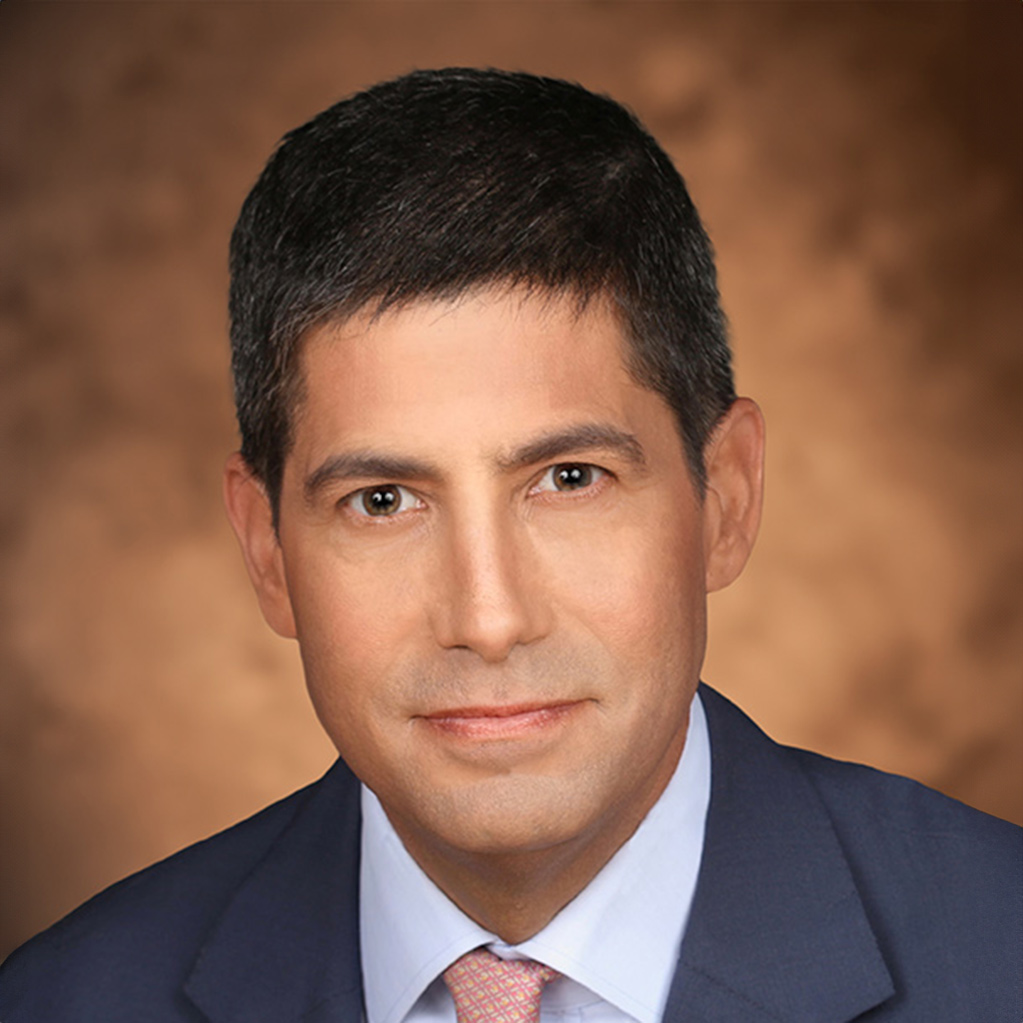
Introduction: The Role of Kevin Warsh in Economic Policy
Kevin Warsh, a prominent figure in economic policy discussions, has been an influential voice in the United States’ financial landscape. As a former member of the Federal Reserve Board, Warsh provides unique insights into the challenges and opportunities facing the global economy. His perspectives are especially relevant in today’s rapidly changing economic environment.
Background on Kevin Warsh
Kevin Warsh served on the Federal Reserve Board from 2006 to 2011, playing a key role during the financial crisis and its aftermath. Appointed by President George W. Bush, Warsh was known for his insights into monetary policy and regulation. After leaving the Fed, Warsh became a distinguished fellow at Stanford University and a managing partner at an investment firm. His vast experience in both public service and the private sector positions him as a credible commentator on economic issues.
Recent Contributions and Insights
Recently, Warsh has been vocal about the challenges the Federal Reserve faces in balancing inflation control with economic growth. In several public appearances, he has emphasized the need for the Federal Reserve to adopt a more flexible approach, especially as inflation rates remain high amid post-pandemic recovery. Warsh argues that maintaining clear communication with the markets is vital for effective monetary policy.
Additionally, Warsh has been critical of certain regulatory measures, suggesting that excessive regulation could stifle innovation in the financial sector. His calls for reform resonate with many policymakers and economists who argue for a more balanced approach to regulation and growth.
Conclusion: The Significance of Warsh’s Views
Kevin Warsh’s insights into economic policy continue to shape discussions on financial regulation, monetary policy, and economic recovery. As he engages with current trends and challenges, his perspectives offer valuable guidance for the future direction of the United States economy. With inflation being a pressing concern for many Americans, Warsh’s voice remains significant as decision-makers navigate the complexities of economic recovery in a post-pandemic world. Readers should pay close attention to his opinions, as they can provide foresight into potential changes in economic policy and their implications for individual and business finances.