Introduction
The recent Federal Reserve meeting held on September 20, 2023, stands as a crucial event for economists, investors, and everyday Americans alike. This meeting not only addressed ongoing economic challenges but also set the tone for monetary policy in the coming months. Given the current climate of inflation and rising interest rates, the decisions made during this meeting have far-reaching implications for various sectors of the economy.
Meeting Overview
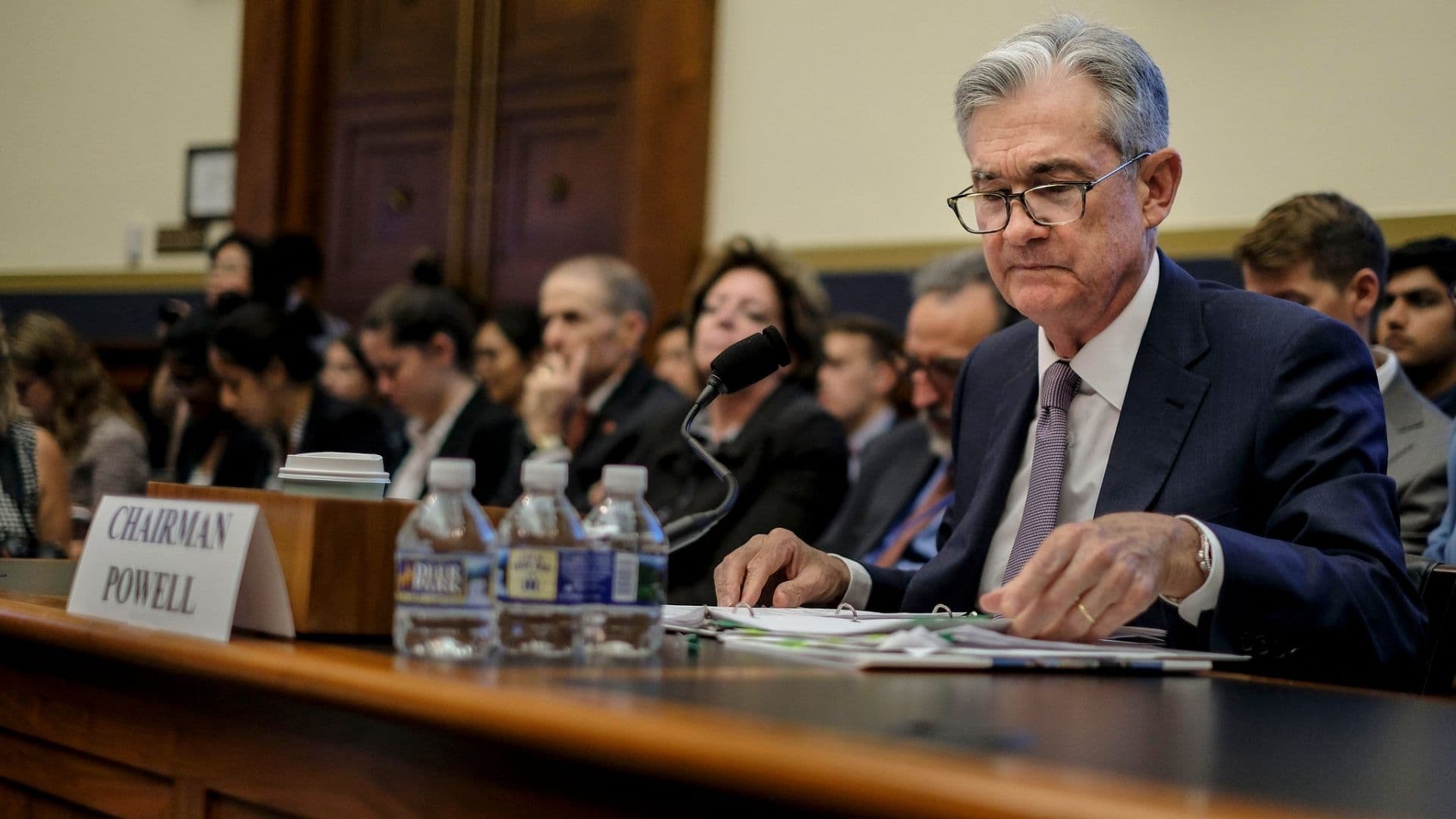
During the meeting, Federal Reserve Chair Jerome Powell acknowledged the persistent inflation, which still exceeds the Fed’s 2% target, despite some signs of easing. The committee decided to keep interest rates steady at a range of 5.25%-5.50%, marking a pause in what has been a historically rapid pace of rate hikes over the past year. The Fed aims to monitor economic indicators before making any further adjustments. Economists believe this stance reflects the Fed’s cautious approach in navigating potential shocks to the economy while continuing to combat inflation.
Economic Indicators
Several key factors were discussed that influence the Fed’s decisions, including employment data, consumer spending, and global economic conditions. Recent reports have shown a robust job market, with unemployment rates near record lows. However, concerns remain about wage growth fueling inflation, which remains a key element for the Fed’s strategy going forward. The Fed’s focus on data-driven decision-making suggests it will remain vigilant to changes in these economic indicators.
Market Reactions
Following the meeting, stock markets reacted positively, reflecting investor confidence in the Fed’s current strategy. The S&P 500 saw a modest uptick, indicating that investors are reassured by the Fed’s decision to leave rates unchanged for now. Analysts predict that moving forward, volatility may continue as markets adjust to ongoing economic trends.
Conclusion
The recent Fed meeting highlights the delicate balance the Federal Reserve must maintain in its monetary policy as it addresses inflation without stifling economic growth. As we look ahead, the Fed’s decisions will be crucial for the financial landscape in the U.S. and will play a significant role in shaping future market conditions. With next meetings set to take place later in the year, stakeholders across sectors should keep a close eye on economic indicators and the Fed’s response to evolving circumstances.