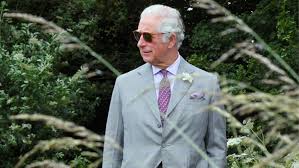
Introduction
King Charles III ascended to the throne on September 8, 2022, following the passing of his mother, Queen Elizabeth II. His reign marks a pivotal moment in British history, given the long-standing legacy of the monarchy and the changing societal context surrounding it. As the first British monarch born after World War II, King Charles embodies a new era, aiming to adapt the monarchy to modern expectations while honoring its traditions.
The Transition from Queen Elizabeth II
Queen Elizabeth II served for over 70 years, becoming a symbol of stability and continuity for the British people. With her passing, King Charles faced immediate challenges, including the need to redefine the monarchy’s role in contemporary society. His reign commenced amid public mourning but also with a sense of anticipation about how he would approach crucial issues such as climate change, social justice, and public engagement.
King Charles’s Vision and Initiatives
One of King Charles’s notable priorities is environmental sustainability. Having been a long-time advocate for ecological initiatives, he has expressed intentions to promote biodiversity and combat climate change through the monarchy’s extensive property assets, such as The Duchy of Cornwall. Further, he aims to strengthen the relationship between the monarchy and the Commonwealth, emphasizing cooperation and shared values among member states.
In his early messages, King Charles called for unity, compassion, and resilience. The king’s approach signifies a commitment to understanding the diverse needs of the British public and fostering a cohesive national identity, particularly in light of recent political challenges.
Public Sentiment and Popularity
The response to King Charles’s ascension has been mixed. While he has garnered support for his modern views and attempts to connect with a younger audience, skepticism remains about his ability to carry the weight of the monarchy’s legacy. Recent polls indicate a growing approval rating, suggesting that many Britons are open to embracing his leadership style. Furthermore, his strong ties with charitable organizations enhance his image as a compassionate leader concerned with societal well-being.
Conclusion
King Charles now faces the challenge of balancing the age-old traditions of the monarchy with the progressive values of a modern society. His reign will likely influence how the British monarchy is perceived both domestically and internationally. As events unfold, it will be crucial to observe how he steers the institution through complexities such as evolving public expectations and global challenges. The world watches with interest, as King Charles may well redefine what it means to be a monarch in the 21st century.