Introduction
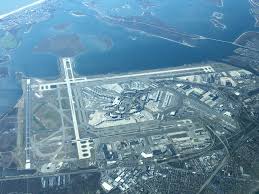
John F. Kennedy International Airport (JFK) serves as one of the principal international gateways to the United States, primarily located in Queens, New York. Its importance cannot be overstated, as JFK currently handles more than 60 million passengers annually, making it the busiest international air passenger gateway in North America. As travel begins to rebound post-pandemic, understanding the latest developments at JFK Airport is crucial for travelers and aviation stakeholders alike.
Recent Developments at JFK Airport
In recent months, JFK has seen a range of improvements and expansions aimed at enhancing the passenger experience. Notably, in late September 2023, the airport announced plans to invest $1.5 billion into upgrades over the next five years. This initiative includes expanding terminal space, modernizing baggage handling systems, and improving ground transportation access.
One of the most significant renovation projects is the ongoing construction of Terminal 1, a joint venture between multiple international airlines, which is set to feature state-of-the-art amenities, a wider range of dining and retail options, and enhanced customer service technology. The project is scheduled to be completed by 2026, aiming to accommodate increased air traffic with a more streamlined experience.
Environmental Initiatives
In addition to structural changes, JFK Airport is also prioritizing sustainability. The Port Authority of New York and New Jersey has implemented measures to reduce the airport’s carbon footprint. Initiatives include improving access for electric vehicles, increasing the use of renewable energy sources, and enhancing waste management programs, which are part of a broader commitment to achieving carbon neutrality by 2050.
Projected Future Trends
As the travel industry continues to recover, projections indicate that JFK will see a steady increase in passenger volume in 2024 and beyond. Experts forecast that international travel demand will reach pre-pandemic levels, particularly for transatlantic flights. This surge in demand is likely to drive further enhancements at the airport, including partnerships with airlines focused on expanding routes and improving service quality.
Conclusion
For travelers and aviation enthusiasts, staying informed about JFK Airport’s developments is vital, not only for understanding travel logistics but also for anticipating improvements that can impact overall travel experience. With substantial renovations on the horizon and a commitment to sustainability, JFK is poised to remain a critical player in the global aviation landscape. Continued investment and modernization efforts suggest that JFK will continue to adapt to the changing dynamics of air travel, making it an airport to watch in the coming years.