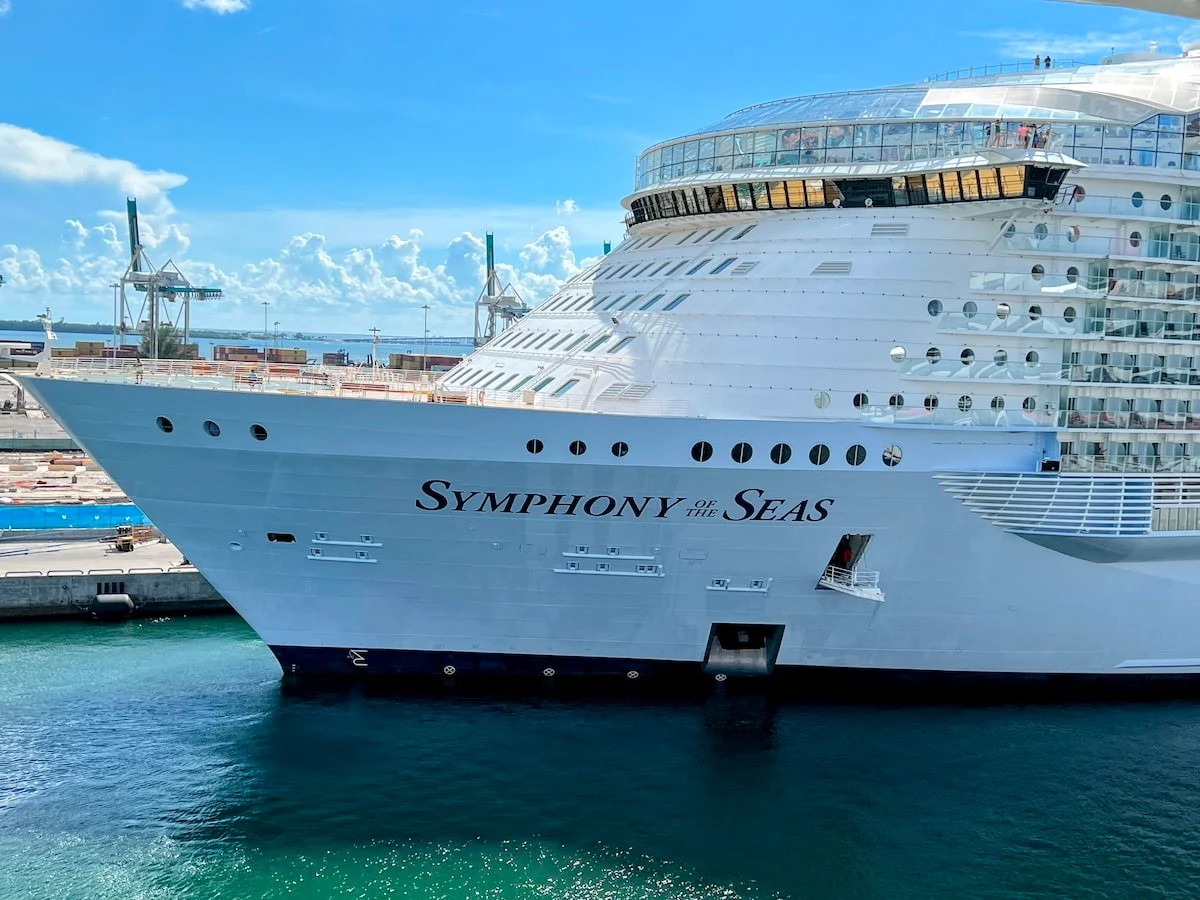
Introduction
Legionnaires’ disease is a severe form of pneumonia caused by the Legionella bacteria, often found in warm water environments. Recent outbreaks on cruise ships have heightened awareness of health protocols onboard, sparking discussions about the safety of these vessels. As millions embark on cruises every year, understanding this disease and its implications has become increasingly vital.
Understanding Legionnaires’ Disease
Legionnaires’ disease was first identified in 1976 during an outbreak at an American Legion convention in Philadelphia. The disease can be contracted by inhaling airborne droplets contaminated with Legionella bacteria, which thrive in man-made water systems like those found on cruise ships. Typical symptoms include fever, cough, muscle aches, and headaches, which can escalate into severe respiratory issues if not treated promptly.
Recent Events
In 2023, there have been notable incidents of Legionnaires’ disease linked to cruise ships. A recent report highlighted a cruise where multiple passengers fell ill, prompting investigations by health officials. The ship’s water systems were examined, and protocols were instituted to prevent further occurrences. Experts recommend that cruise lines conduct regular maintenance and testing of their water systems to minimize risks.
Response from Authorities
Health authorities, including the Centers for Disease Control and Prevention (CDC), have reiterated the importance of stringent water management practices on cruise ships. They advise that cruise operators implement preventive measures such as routine disinfection of water systems and staff training to recognize and address health concerns promptly.
Impact on Travelers
The rise in Legionnaires’ disease cases on cruise ships may affect the travel decisions of potential cruise-goers. Many travelers are becoming more vigilant about health risks associated with cruises. Reports of outbreaks can lead to cancellations and heightened scrutiny of cruise line safety protocols. As a result, it is crucial for cruise lines to be transparent about their health and safety measures to reassure travelers.
Conclusion
With the increasing reports of Legionnaires’ disease on cruise ships, passenger health remains a top priority. As travelers become more aware of the threats associated with Legionella, it is essential for cruise lines to ensure robust preventative strategies and maintain transparent communication with their customers. The future of cruising hinges on the safety of passengers, and proactive measures can significantly reduce the incidence of this potentially life-threatening disease.