Introduction
Magic Johnson, a name synonymous with basketball greatness, holds a significant place not just in sports history, but also in business and philanthropy. His career as a professional basketball player and subsequent ventures into entrepreneurship exemplify the power of resilience and community engagement. As the world continues to celebrate his numerous accomplishments, understanding his influence is increasingly important, especially for young athletes and aspiring entrepreneurs.
Basketball Career
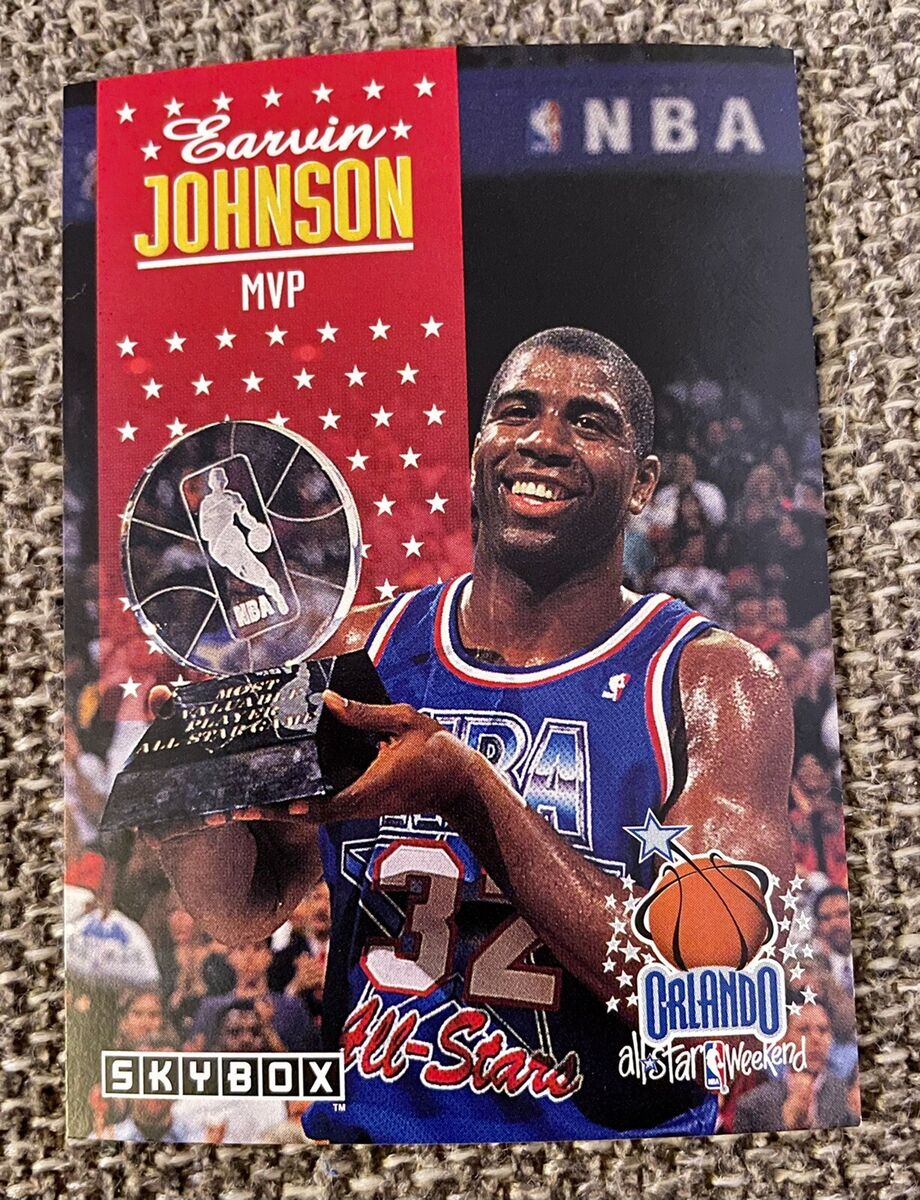
Magic Johnson, born Earvin Johnson Jr. on August 14, 1959, in Lansing, Michigan, revolutionized the game of basketball with his unrivaled passing ability, court vision, and leadership skills. He played his entire professional career for the Los Angeles Lakers in the NBA from 1979 to 1991 and briefly returned in 1996. Johnson won five NBA championships and was named the NBA Finals MVP three times. His rivalry with Larry Bird during the 1980s played a critical role in boosting the popularity of basketball across the United States.
Transition to Business
After retiring from basketball, Johnson embarked on a successful business career. He founded Magic Johnson Enterprises, which has generated over $1 billion in revenue. His company focuses primarily on urban developments, entertainment, and sports. Johnson’s successful investments in Starbucks and the development of movie theaters in underprivileged communities have contributed to his reputation as a savvy entrepreneur. In 2012, he became part of the group that purchased the Los Angeles Dodgers, further solidifying his standing in the sports business world.
Philanthropy and Community Work
Magic’s commitment to philanthropy is evident through the Magic Johnson Foundation, which focuses on addressing the health and education needs of underserved communities. His foundation has contributed millions to various programs and initiatives, particularly in the areas of HIV/AIDS awareness and education. Magic Johnson’s efforts to combat the stigma surrounding HIV after disclosing his diagnosis in 1991 have been pivotal in advocacy and education regarding the disease.
Conclusion
Magic Johnson’s legacy transcends basketball; he is a symbol of hope and resilience. His dual focus on sports and social responsibility exemplifies how athletes can leverage their fame for positive change. As we look to the future, Johnson’s contributions highlight the essential role that athletes can play in addressing societal challenges. Young professionals, whether in sports or business, can draw inspiration from his journey, illustrating that determination and giving back to the community are as important as personal achievement.