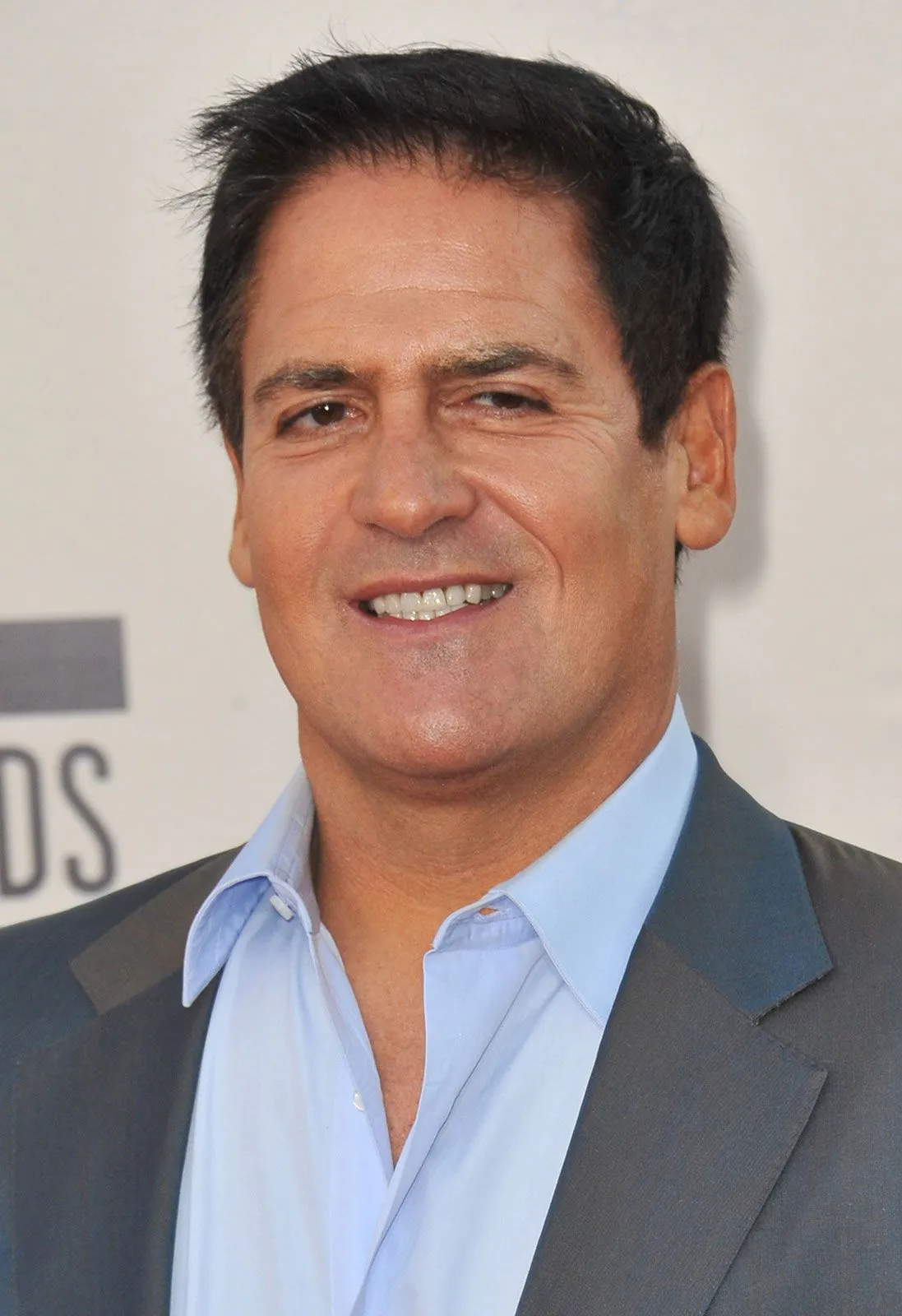
Mark Cuban’s recent acquisition of a mansion for $12.5 million marks a notable shift in his approach to real estate investment. Previously, the expectation was that high-value properties would maintain their worth or even appreciate over time. However, Cuban’s purchase reflects a different reality shaped by market fluctuations.
The mansion, originally built for $25 million, was sold at half its initial price. Cuban’s decision to buy the property without ever having seen it in person—relying solely on a few photos—highlights a decisive moment in his investment strategy. This spontaneous splurge was not just about acquiring a luxury home; it was an opportunity created by a market downturn.
The previous owners of the mansion experienced a drastic change in fortune, having lost everything after only eight months of living there. This backstory adds a layer of complexity to the property’s value and Cuban’s purchase. He has since raised his three children in the mansion, which he describes as “an amazing house.”
Cuban’s experience with this purchase reinforces his broader financial philosophy. He emphasizes that wealth can disappear quickly and should not be taken for granted. In his view, the skills and knowledge necessary to create value are more reliable foundations for wealth than simply relying on rising markets.
He also advocates for purchasing replenishable items when they are heavily discounted, stating, “Saving 30% to 50% buying in bulk — replenishable items from toothpaste to soup, or whatever I use a lot of — is the best guaranteed return on investment you can get anywhere.” This perspective illustrates how he navigates financial decisions, even in the realm of luxury real estate.
As Cuban continues to live in the mansion, the implications of his purchase extend beyond personal enjoyment. It serves as a testament to his investment philosophy and a reminder of the volatile nature of wealth. The juxtaposition of his spontaneous decision against the backdrop of the previous owners’ misfortune paints a vivid picture of the real estate market’s unpredictability.
In summary, Mark Cuban’s mansion purchase not only reflects a significant financial decision but also encapsulates his views on wealth, opportunity, and the importance of adaptability in a changing market.