Introduction
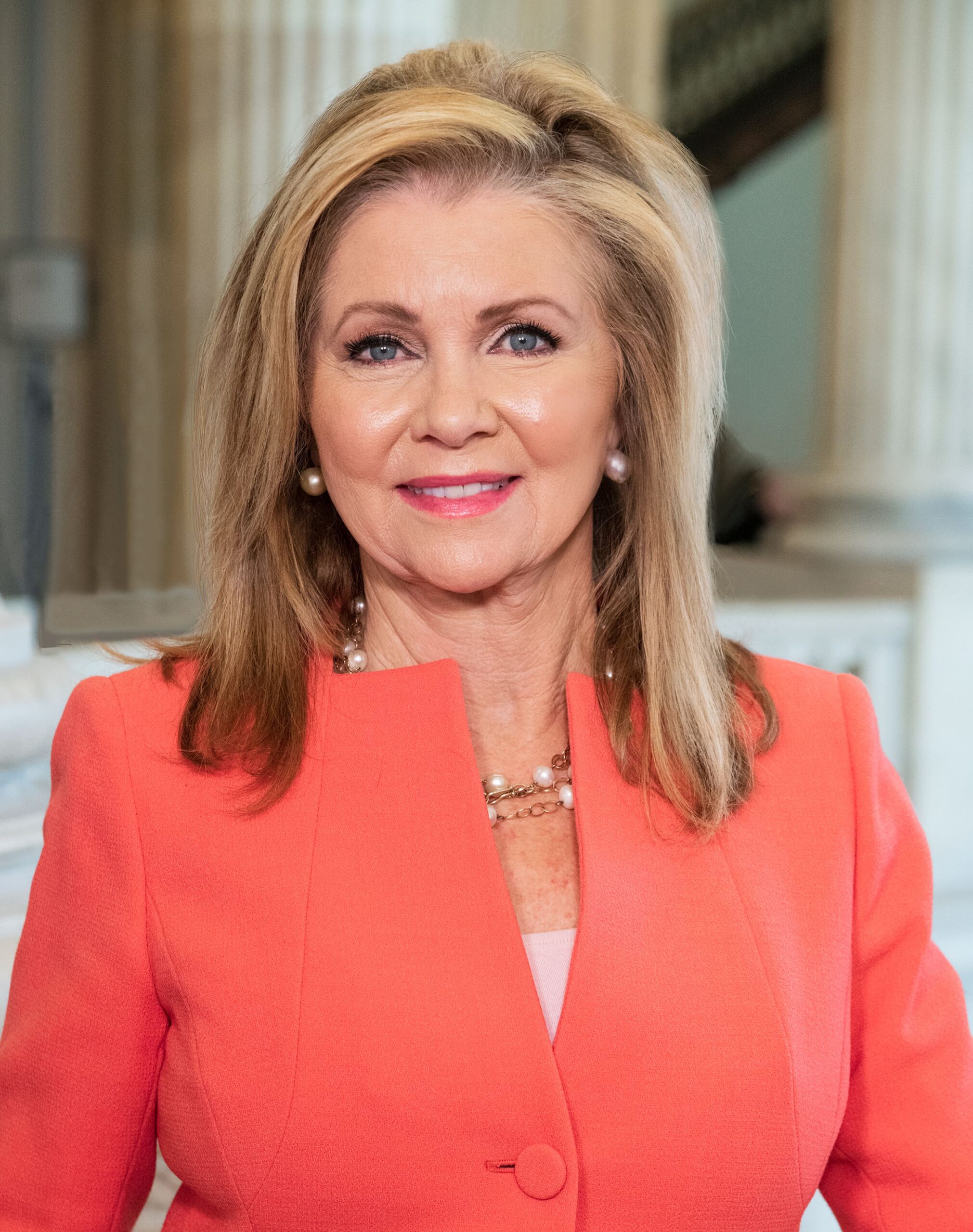
Marsha Blackburn’s prominence in American politics has grown significantly since she was elected as a U.S. Senator from Tennessee in 2018. As a member of the Republican Party, Blackburn has been a vocal advocate for conservative policies, particularly in areas concerning women’s rights, healthcare, and national security. Understanding her political agenda and impact is essential for comprehending the current legislative landscape in the United States.
Political Career and Achievements
Before becoming a senator, Blackburn served in the U.S. House of Representatives for 16 years, where she gained a reputation for her staunch conservative stance and commitment to fiscal responsibility. She has played significant roles in various committees and has been actively involved in promoting legislation aimed at job creation and economic growth.
In the Senate, Blackburn has continued her advocacy work, particularly in championing issues related to breast cancer awareness and women’s health. She has introduced legislation aimed at reauthorizing the National Breast and Cervical Cancer Early Detection Program, which has helped thousands of women gain access to critical health services.
Recent Developments
In recent months, Blackburn has positioned herself as a critical voice on technological issues, particularly concerning social media regulation and data privacy. She has voiced concerns over the influence of big tech companies on free speech and is actively working on bipartisan efforts to address these issues, reflecting the growing demand for accountability in the tech industry.
Public Perception and Controversies
While Blackburn has many supporters who appreciate her straightforward approach and commitment to conservative values, she has also faced criticisms and controversies, particularly regarding her stance on climate change and healthcare reform. Her critics argue that her policies may negatively impact the most vulnerable populations. However, Blackburn remains steadfast in her beliefs, emphasizing the importance of economic growth and personal liberty.
Conclusion
Marsha Blackburn’s influence in U.S. politics signals a shift towards a more involved and vocal participation from conservative women in government. As she continues to navigate the complexities of legislative leadership and public opinion, her future actions will likely shape key political discussions and decisions in the coming years. Understanding Blackburn’s position offers crucial insights into the evolving landscape of American political discourse, particularly ahead of the upcoming elections and legislative sessions.