Introduction
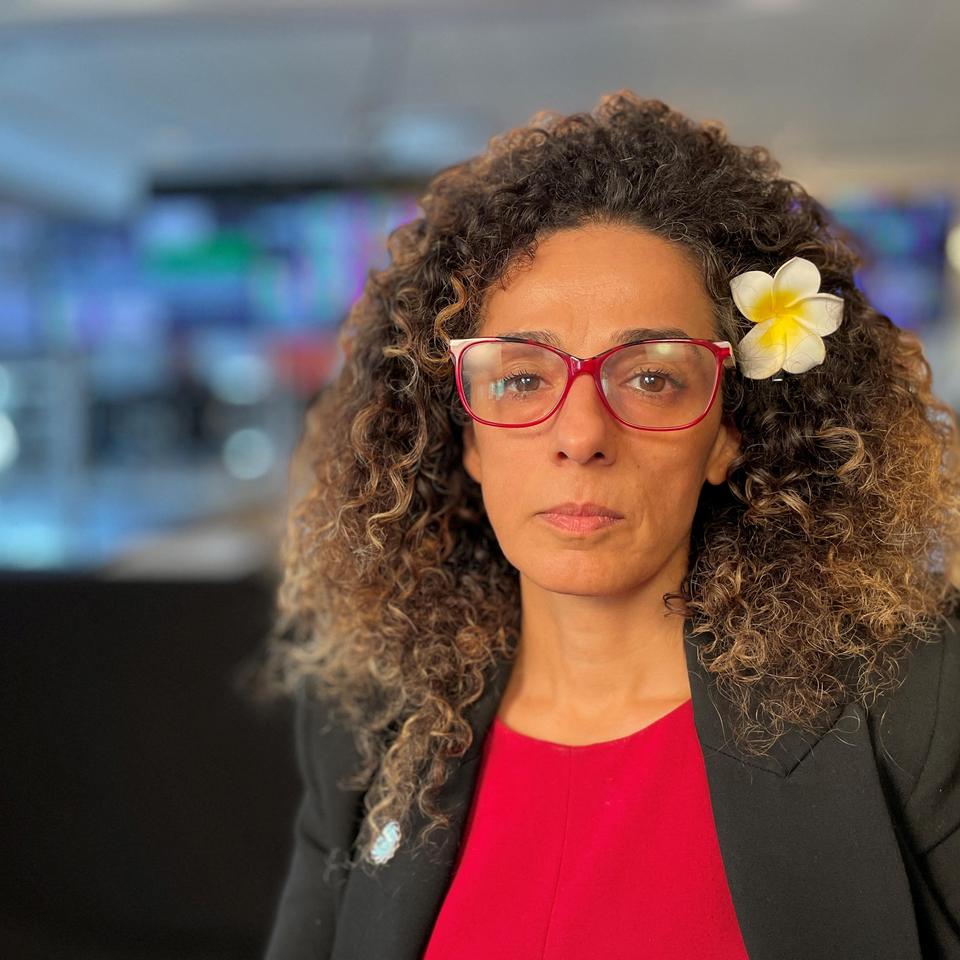
Masih Alinejad has emerged as a significant figure in the fight for women’s rights in Iran, utilizing her platform to shed light on oppressive practices faced by women in the country. Her efforts are particularly crucial in the current socio-political climate, where women’s rights are frequently under threat. Alinejad’s activism is not only pivotal for Iranian women but also resonates with global movements for gender equality and human rights.
Alinejad’s Activism and Initiatives
Masih Alinejad, an Iranian journalist and activist, gained international prominence through her social media campaigns, particularly #WhiteWednesdays, which encourages women to publicly protest the mandatory hijab laws in Iran. This initiative has mobilized thousands of women both in Iran and abroad to share their stories and experiences, thus amplifying the call for change. Alinejad’s efforts have made her a target of the Iranian government, yet she continues to advocate fearlessly for women’s rights.
Recent Developments
In 2022, amid widespread protests triggered by the death of Mahsa Amini, a young woman who died in police custody after being arrested for wearing her hijab improperly, Alinejad’s activism gained renewed urgency. The protests highlighted deep-seated issues of women’s rights and personal freedoms in Iran, leading Alinejad to increase her outreach. She has collaborated with international organizations and highlighted the plight of Iranian women to global audiences, calling for solidarity and action.
The Global Impact
Alinejad’s commitment to women’s rights has sparked global conversations about gender oppression. She has appeared on numerous international media outlets, raising awareness about the challenges faced by women in Iran. Through interviews, articles, and public speaking engagements, she continues to draw attention to the need for systemic change within Iran’s laws and cultural practices.
Legal Challenges and Threats
Despite facing significant risks, including threats to her life and safety, Alinejad remains undeterred. She reported being the target of an Iranian kidnapping plot, which underscores the dangers activists often confront. Nevertheless, she views these threats as a testament to the effectiveness of her advocacy, believing that fear should not silence the quest for justice.
Conclusion
Masih Alinejad’s work exemplifies the power of advocacy and the impact of individual actions in the fight for women’s rights. As the situation in Iran continues to evolve, Alinejad’s role remains critical in advocating for policies that protect and empower women. For readers and activists worldwide, supporting Alinejad’s initiatives not only contributes to the cause of Iranian women but also reinforces the broader struggle for equality and justice globally. The fight against oppression is a shared responsibility, and Alinejad’s courage inspires many to take action.