Introduction to the COBRRA Trial
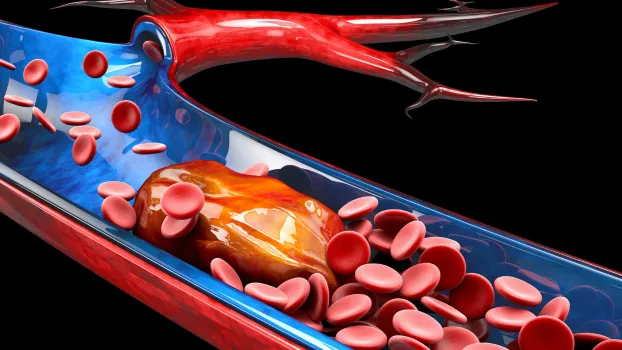
In recent years, McGill University has been at the forefront of significant medical research, particularly in the area of venous thrombosis treatment. This condition, characterized by blood clots that can form in the veins of the legs or lungs, poses serious health risks and is the third leading cause of cardiovascular death after heart attack and stroke. Recognizing the need for effective treatment options, researchers initiated the COBRRA trial, which compared the efficacy and safety of two anticoagulants: apixaban and rivaroxaban.
Trial Overview and Findings
The COBRRA trial, which enrolled 2,760 participants from 32 sites across Canada, Australia, and Ireland, aimed to provide crucial insights into the treatment of venous thrombosis. The trial’s findings were published in 2026 in The New England Journal of Medicine, with Dr. Marc Rodger serving as the senior author. The study was funded by the Canadian Institutes of Health Research and the Medical Research Future Fund in Australia, underscoring the importance of government-supported research in addressing critical health questions.
Comparative Safety of Apixaban and Rivaroxaban
One of the key outcomes of the trial was the comparative safety of the two medications. Participants on rivaroxaban experienced a clinically relevant bleeding rate of 7.1% after three months, while those on apixaban had a significantly lower rate of 3.3%. These results clearly indicate that apixaban is the safer option for treating venous thrombosis, a finding that could have far-reaching implications for clinical practice.
Reactions from Researchers
Dr. Lana Castellucci, a prominent figure in the trial, emphasized the importance of the findings, stating, “These results clearly show that apixaban is the safer option for treating venous thrombosis.” This sentiment was echoed by Dr. Vivien Chen, who noted that the real-world nature of the trial enhances its global relevance, saying, “Because this was a real world, standard of care trial conducted across three countries, the findings have strong global relevance.”
Implications for Clinical Practice
The implications of the COBRRA trial are significant for healthcare providers treating patients with venous thrombosis. The evidence provided by this trial equips physicians with critical information to make informed decisions regarding anticoagulant therapy. Dr. Marc Rodger highlighted the trial’s impact, stating, “This practice-changing trial and its findings exemplify the powerful impact of academically led, government-funded clinical research in addressing questions that truly matter to patients.”
Current State of Venous Thrombosis Treatment
As of now, the findings from the COBRRA trial are being integrated into clinical guidelines and practices across various healthcare settings. The trial’s results not only contribute to the existing body of knowledge but also pave the way for future research in anticoagulation therapy. The safety profile of apixaban, as demonstrated in this trial, may lead to a shift in prescribing habits among healthcare providers.
Conclusion and Future Directions
The COBRRA trial represents a significant advancement in the treatment of venous thrombosis, with McGill University playing a pivotal role in this research. As healthcare continues to evolve, the findings from this trial will be instrumental in shaping future studies and treatment protocols. The ongoing commitment to research and patient safety remains a priority for institutions like McGill University, ensuring that patients receive the best possible care in managing venous thrombosis.