Introduction
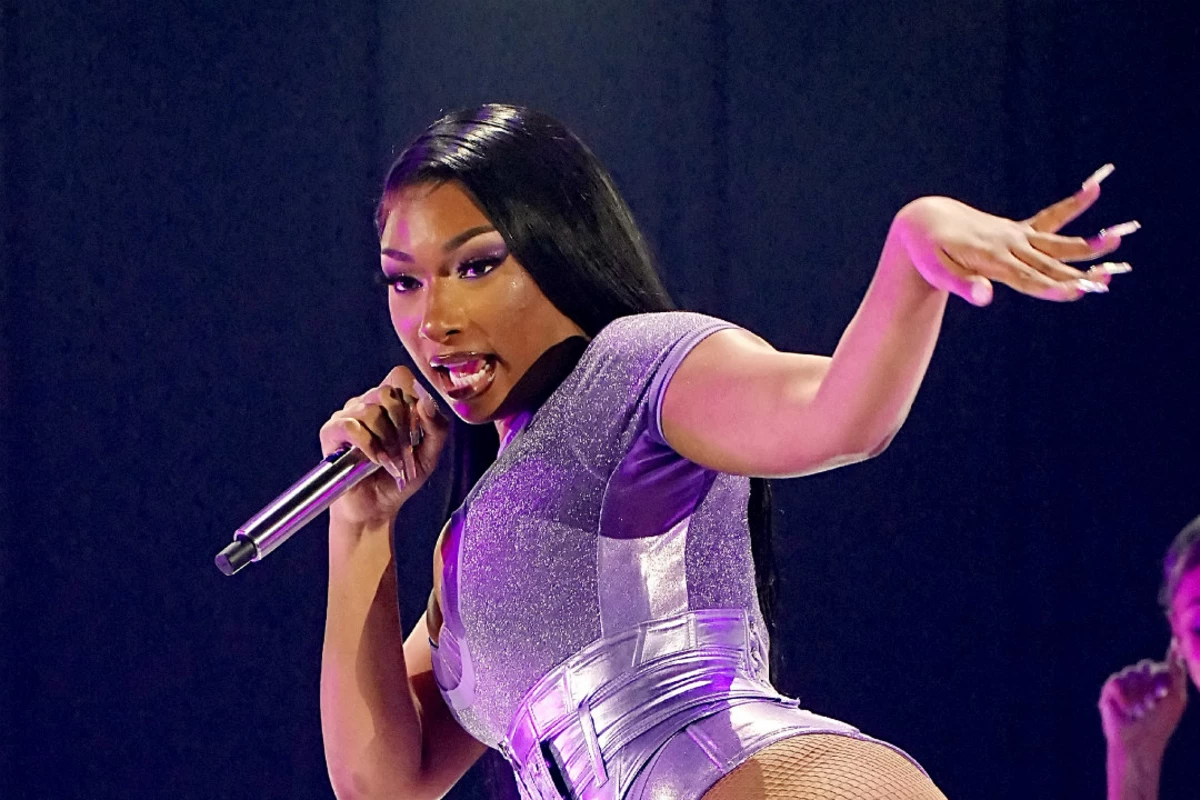
Megan Thee Stallion, a Texas native, has rapidly emerged as one of the leading figures in contemporary hip-hop. Since her rise to fame in the late 2010s, she has not only garnered numerous awards but has also become a crucial voice in discussions surrounding female empowerment and representation in the music industry. As the landscape of hip-hop continues to evolve, Megan’s influence remains significant and pertinent to both fans and emerging artists alike.
The Impact of Megan Thee Stallion
Born Megan Jovon Ruth Pete on February 15, 1995, the rapper took her first steps into the music world when she began freestyling at the age of 14. Her mixtapes, such as “Fever” and “Suga,” showcased her impressive lyrical skills and distinctive Southern flow, rapidly attracting a loyal fanbase. However, it was the release of her breakthrough single “Savage” in 2020, coupled with a viral TikTok dance challenge, that catapulted her to international fame. This track not only reached the top of charts but also established her as a household name.
Megan’s partnership with Beyoncé on the remix of “Savage,” which earned her a Grammy Award, further solidified her status in the industry. The collaboration highlighted the importance of female solidarity in hip-hop, a theme that Megan often champions through her music and public persona.
Recent Developments
In recent months, Megan Thee Stallion has continued to make headlines, aligning herself with various social causes and using her platform to advocate for women’s rights and health issues. In 2022, she made waves with her participation at the White House, where she discussed the urgency of protecting the rights of women and marginalized groups. Her activism is a testament to her belief that artists have a responsibility to leverage their visibility for positive change.
Additionally, Megan’s latest album, “Traumazine,” released in August 2022, received critical acclaim for its introspective depth and fearless storytelling. It addresses personal struggles, including her experiences of betrayal and resilience, engaging listeners on a deeper emotional level.
Conclusion
Megan Thee Stallion is not just a force in music; she represents a cultural movement that advocates for empowerment and representation in the arts. As she continues to break barriers and redefine what it means to be a woman in hip-hop, the future looks bright for Megan and her ever-growing legacy. For her fans and aspiring artists, Megan’s journey serves as an inspiring blueprint of dedication, creativity, and the importance of using one’s voice for good.