Introduction
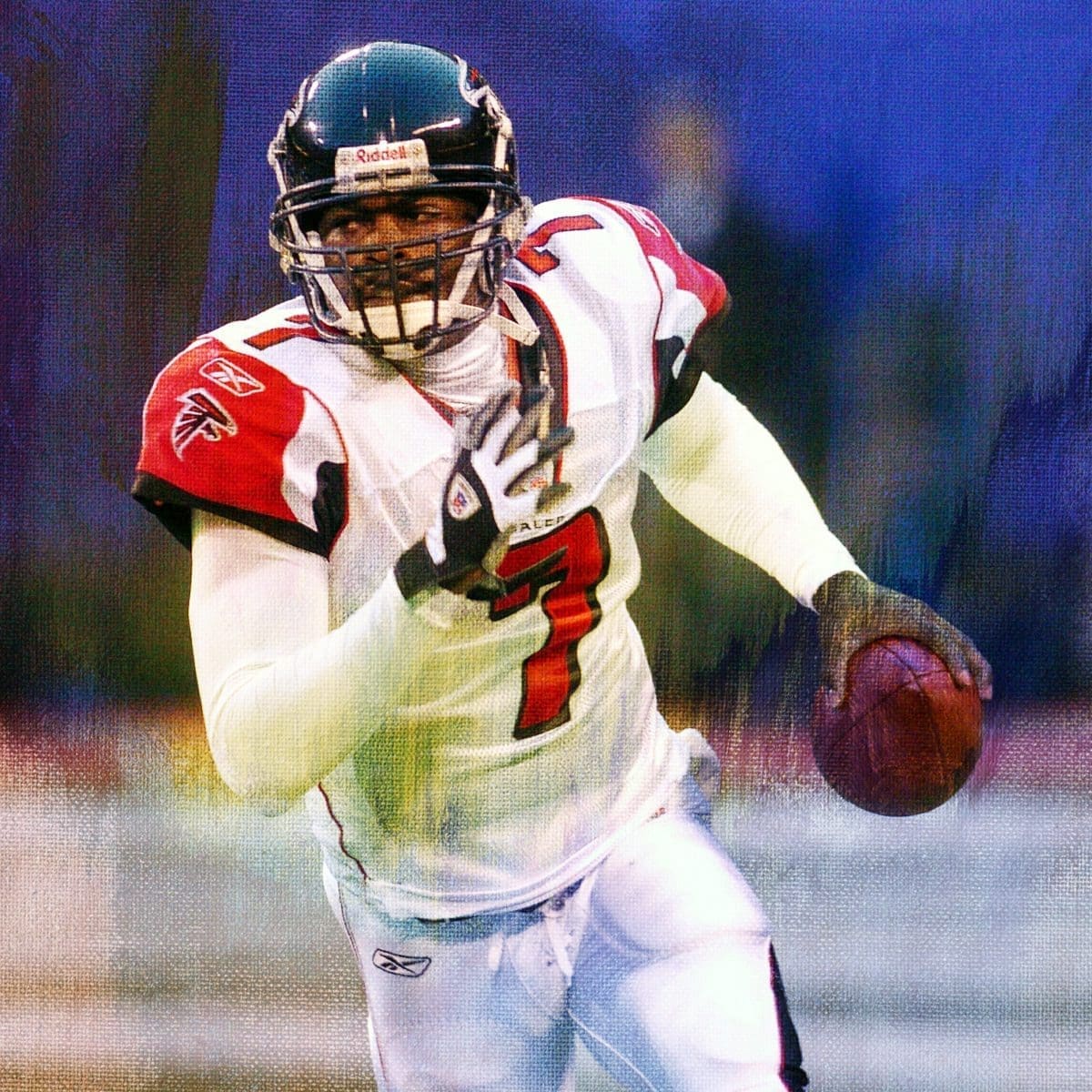
Michael Vick, a name that resonates deeply within the world of football, represents not just athletic excellence but also resilience and redemption. As one of the most electrifying quarterbacks of his time, Vick’s influence on the game is significant, transcending his career and touching on important social issues, such as animal rights and personal reform. This narrative is particularly relevant as discussions surrounding player conduct and second chances continue to evolve in professional sports.
Early Life and Rise to Fame
Born on June 26, 1980, in Newport News, Virginia, Michael Vick showcased a unique talent for sports from a young age. After an impressive career at Virginia Tech, where he redefined the quarterback position with his remarkable speed and agility, Vick was selected as the first overall pick in the 2001 NFL Draft by the Atlanta Falcons. His early years in the NFL were marked by groundbreaking performances, culminating in an appearance in the Pro Bowl and setting records for rushing yards by a quarterback.
Controversy and Downfall
Despite his impressive stats and popularity, Vick’s career faced a devastating setback in 2007 when he was implicated in an illegal dog fighting ring. The ensuing scandal led to his imprisonment, a significant fall from grace, and a hiatus from professional football. Vick served 19 months in prison, and his actions sparked nationwide debates about animal rights and the consequences of celebrity behavior.
Redemption and Return to Football
After serving his sentence, Vick sought redemption and returned to the NFL in 2009 with the Philadelphia Eagles. His comeback was both inspiring and controversial, as he attempted to rebuild his career while addressing the ethical implications of his past. Vick transitioned into a different role on the field, showcasing his ability to adapt to changes in his playing style, ultimately leading to a successful second stint in professional football.
Impact and Legacy
Michael Vick’s journey is a testament to the complexities of fame, accountability, and second chances. He has since become an advocate for animal rights, using his platform to educate others about responsible pet ownership. Vick’s story serves as a reminder of the transformational power of personal growth and the importance of addressing past mistakes. His influence on the game remains undeniable, paving the way for a new generation of dual-threat quarterbacks who follow in his footsteps.
Conclusion
As we reflect on Michael Vick’s legacy, it is essential to acknowledge both his athletic prowess and the lessons learned from his missteps. His story continues to spark conversations about ethics in sports and the pathways to redemption. For fans and aspiring athletes alike, Vick’s journey underscores that even the most challenging setbacks can lead to profound growth and change.