Introduction
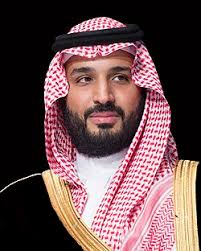
Mohammed Bin Salman (MBS) has emerged as a pivotal figure in modern Saudi Arabia, bringing both controversy and innovation to the forefront of his leadership. As the Crown Prince of Saudi Arabia since June 2017, MBS’s vision for the kingdom—embodied in his ambitious Vision 2030 plan—promises to transform the economy of one of the world’s most oil-dependent nations. Understanding his policies and actions is crucial, as they not only affect the Saudi populace but also have geopolitical implications for the region and beyond.
Economic Reforms and Vision 2030
At the heart of MBS’s agenda is Vision 2030, a strategic framework aimed at diversifying Saudi Arabia’s economy away from oil dependency. The plan prioritizes investment in sectors like tourism, entertainment, and technology, with considerable emphasis on attracting foreign investment. Recent initiatives, including the development of the NEOM project—a $500 billion megacity—exemplify the Crown Prince’s ambitious goals. Furthermore, Saudi Arabia has engaged in numerous partnerships with global companies, emphasizing collaboration and innovation.
Social Changes and Human Rights Issues
As part of his vision for a more modern Saudi Arabia, MBS has initiated several social reforms, including allowing women to drive and increasing their participation in the workforce. While these advancements reflect a more progressive direction, they have been overshadowed by ongoing human rights concerns, including the treatment of dissidents and restrictions on free speech. The assassination of journalist Jamal Khashoggi in 2018, linked to MBS, has raised significant concerns among international observers, leading to strained relations with some Western nations.
Geopolitical Dynamics
Internationally, MBS plays a crucial role in Middle Eastern geopolitics. As a key ally of the United States and a prominent member of OPEC, Saudi Arabia under MBS has sought to consolidate its influence in the region. With recent normalization agreements by Arab nations with Israel, MBS’s stance on the Israeli-Palestinian conflict remains a pivotal issue. Moreover, Saudi Arabia’s ongoing rivalry with Iran and involvement in Yemen further complicate its foreign relations, making MBS’s diplomatic strategies a focal point for analysts.
Conclusion
Mohammed Bin Salman stands at a crossroads where tradition clashes with modernity in Saudi Arabia. His Vision 2030 has the potential to transform the kingdom’s economy and society, but success will require not only robust economic strategies but also genuine commitment to human rights reforms. As international observers watch closely, MBS’s leadership will significantly shape the trajectory of Saudi Arabia and its standing in the global arena for years to come. For citizens and global stakeholders alike, understanding the nuances of MBS’s policy decisions is more crucial than ever.