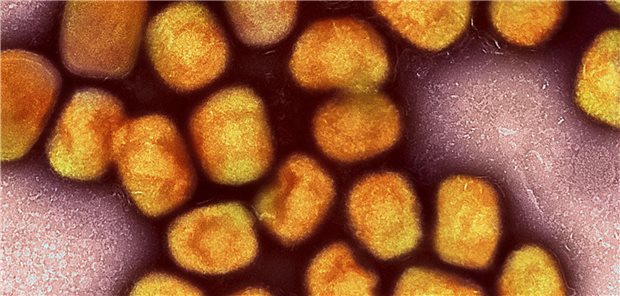
Introduction to Mpox
Mpox, also known as monkeypox, is a viral zoonotic disease that has gained global attention due to recent outbreaks. First identified in laboratory monkeys in the 1950s, the virus is primarily found in central and west Africa, but cases have sporadically appeared in other regions, raising concerns among health officials. The 2022 outbreak outside Africa made mpox a significant public health issue that prompted widespread discussions about disease awareness, prevention strategies, and public health infrastructure.
Current Outbreaks and Trends
Countries across various continents have reported confirmed and suspected cases of mpox. As of mid-2023, the World Health Organization (WHO) recorded several thousand cases outside Africa, primarily concentrated in Europe and North America. This marks a notable shift in the virus’s behavior, as historically, cases were limited mainly to African regions.
The symptoms of mpox are similar to those of smallpox, though typically less severe. They include fever, headache, muscle pains, swollen lymph nodes, and a distinctive rash that progresses through various stages. Transmission typically occurs through direct contact with infected animals or through person-to-person contact. Public health initiatives have been crucial in containment efforts, informing communities about preventive measures and highlighting the importance of early detection.
Importance of Vaccination and Awareness
In response to the outbreaks, health authorities have intensified vaccine campaigns, particularly targeting at-risk populations. The smallpox vaccine has been shown to offer cross-protection against mpox, which has led to renewed interest in vaccination programs. Educational campaigns aim to increase awareness and reduce stigma associated with the disease, emphasizing not only protection but also the need for compassion toward those affected by mpox.
Conclusion and Future Considerations
The emergence of mpox as a public health concern signals a need for ongoing vigilance. Experts warn that without proper surveillance and response strategies, the virus could establish a foothold in non-endemic regions. Monitoring trends, increasing vaccination coverage, and fostering public understanding are critical components in managing mpox outbreaks. As we move forward, the global health community must prioritize preparedness to combat emerging infectious diseases, focusing on equitable access to vaccines and healthcare resources for all communities.