Introduction
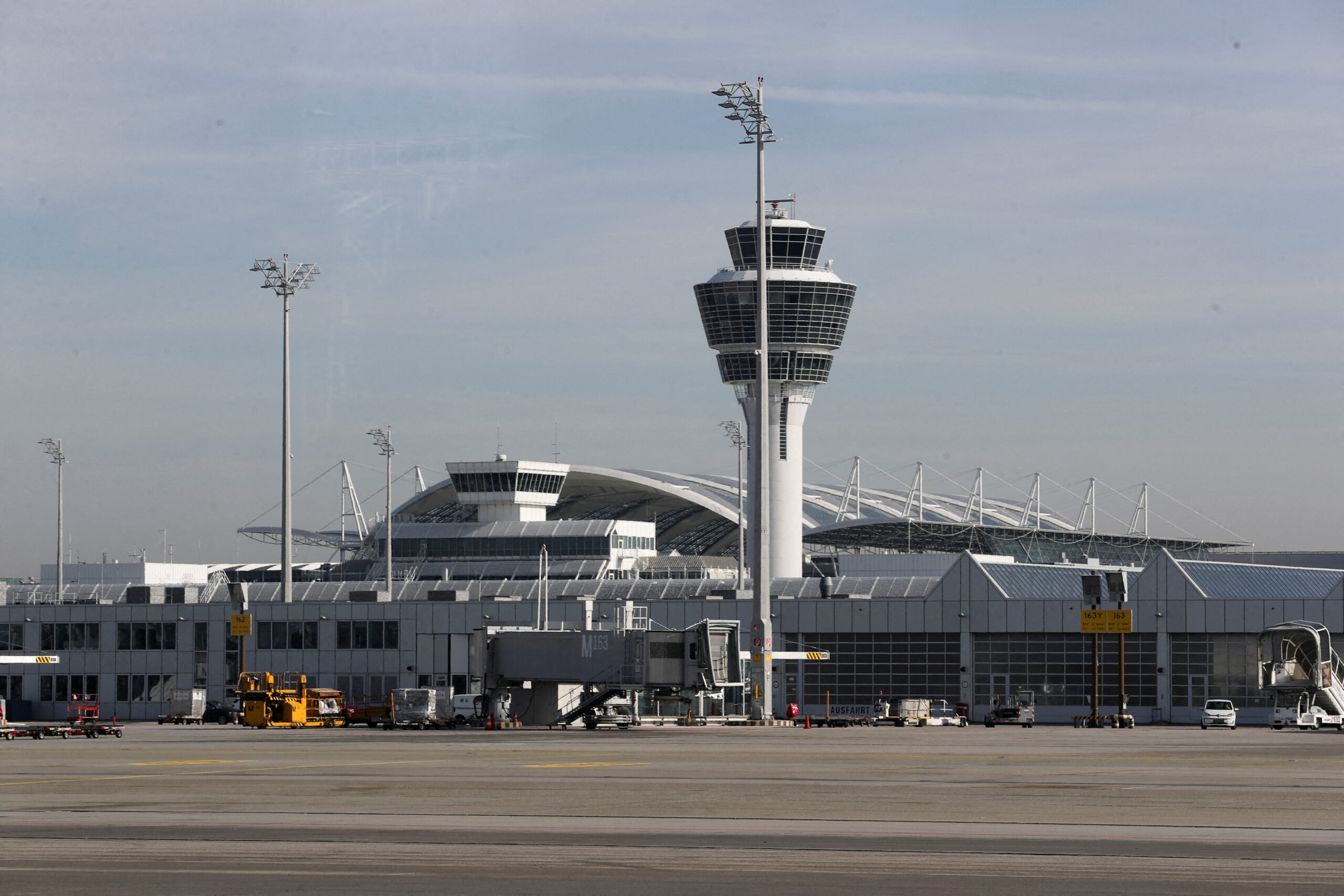
Munich Airport (München Flughafen) is one of Europe’s busiest airports, playing a crucial role in international travel and tourism. Boasting a strategic location, it serves as a gateway not just to Germany, but also to various destinations around the globe. With its state-of-the-art facilities and extensive flight connections, the airport is integral to the economic and cultural landscape of both the city of Munich and the larger Bavarian region.
Current Status and Significance
As of 2023, Munich Airport ranks as the second-busiest airport in Germany, following Frankfurt Airport. It accommodates over 48 million passengers each year, facilitating travel to more than 200 destinations across 70 countries. The airport is also a major hub for several airlines, including Lufthansa, which operates numerous domestic and international flights from its base in Munich.
In the wake of the COVID-19 pandemic, Munich Airport has implemented numerous safety measures to ensure the well-being of its passengers. These include enhanced cleaning protocols, social distancing guidelines, and contactless check-in and boarding processes. With travel restrictions easing, passenger numbers are steadily rising, and officials are optimistic about a complete recovery in the aviation sector.
Recent Developments
Recently, Munich Airport has unveiled initiatives aimed at expanding its capacity and improving passenger experience. The airport is undergoing a multi-phase expansion plan that includes upgrades to its terminals and the addition of new gates to accommodate increasing air traffic. Additionally, new sustainability measures are being introduced, including the use of electric ground vehicles and advancements in waste management practices.
Moreover, the airport has launched a digital platform that streamlines the travel experience for passengers. This platform provides real-time updates on flight status, gate changes, and passenger flow, making it easier for travelers to navigate the airport and stay informed during their journey.
Conclusion
As it continues to expand and innovate, Munich Airport remains a vital hub for air travel in Europe. Its strategic enhancements aimed at improving passenger experience and sustainability underscore its commitment to meeting the demands of modern air transport. For travelers, Munich Airport not only serves as a convenient transit point but also as a destination enriched with cultural and commercial offerings. As the aviation industry recovers and grows, Munich Airport is poised to play an even more significant role in connecting people across the globe.