Nepal Election Update: March 2026
Nepal’s nationwide election for the House of Representatives took place on March 5, 2026, marking a pivotal moment in the country’s political landscape. This election is the first national vote since violent protests in September 2025, which led to the resignation of then-Prime Minister KP Sharma Oli. The stakes were high, as the election was viewed as a crucial test of Nepal’s democracy following a year of unrest and protests against corruption and economic stagnation.
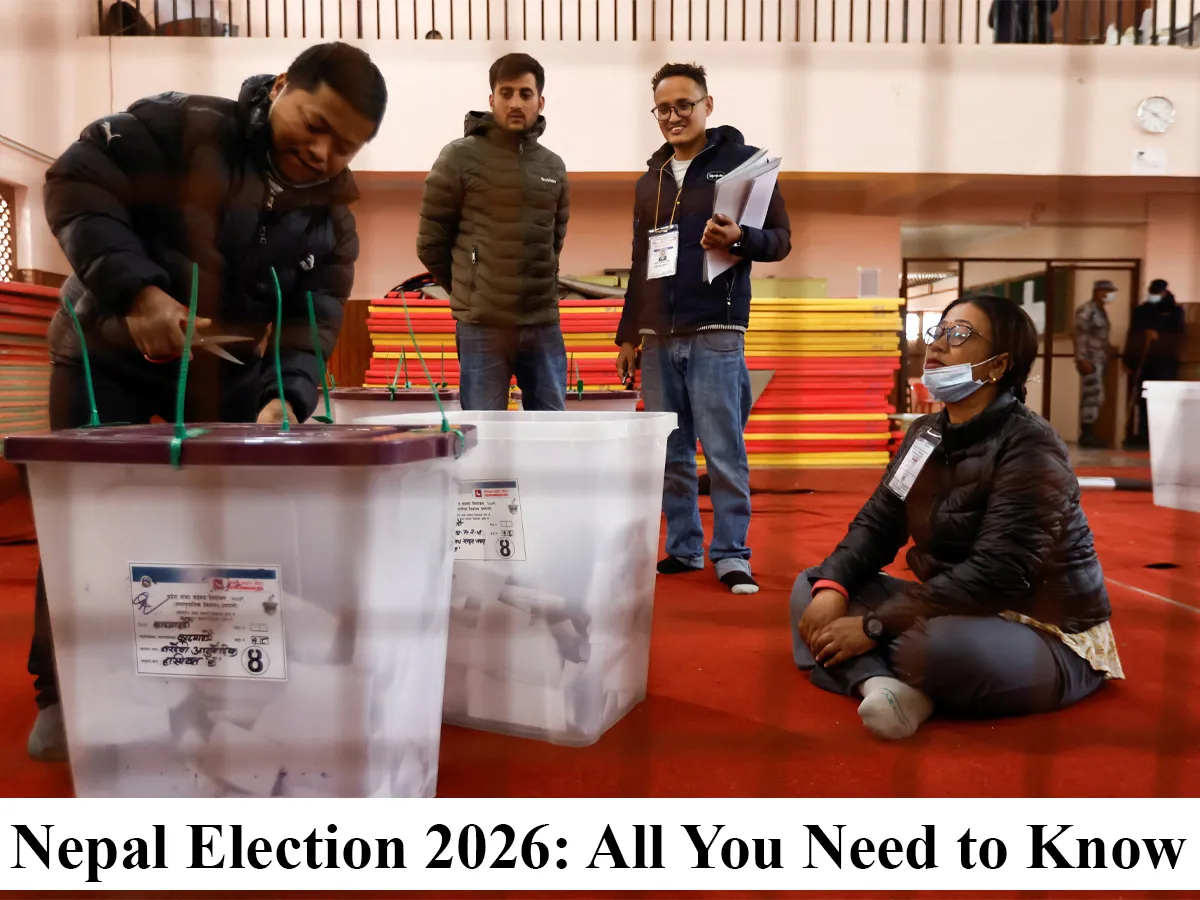
Polling stations opened from 07:00 to 17:00 GMT, with nearly 19 million Nepalis eligible to vote, including around 800,000 first-time voters. The Election Commission announced that outcomes for 165 first-past-the-post seats would be revealed within 24 hours after ballot boxes were gathered, while counting votes under the proportional representation system might take an additional two to three days.
Despite the enthusiasm surrounding the election, voter turnout was reported at about 60%, the lowest in more than two decades. This decline in participation comes in the wake of the protests that claimed at least 77 lives, highlighting the deep divisions and challenges facing the nation. Candidates from across the political spectrum participated, including veteran leaders and new faces inspired by the recent protests, reflecting a desire for change among the electorate.
Among the notable candidates was Balendra Shah, a former rapper who emerged as a frontrunner in the election. His candidacy symbolizes the shift towards a younger generation seeking to redefine Nepal’s political landscape. As the election unfolded, many voters expressed hope that this would be a turning point for the country, with some stating, “This election is not a normal election. This is going to be one of the changing points for Nepalis, for Nepal,” according to activist Sashi Gurung.
Ram Prasad Bhandari, a local observer, noted, “The voting process has been concluded peacefully and enthusiastically,” indicating a positive atmosphere despite the previous unrest. However, the shadow of the protests loomed large, with participants like Shiv Shrestha reminding everyone that “so many people, including gen Z, sacrificed their lives” for this moment.
The election utilized a mixed electoral system, combining direct and proportional voting, which is designed to ensure a more representative outcome. As the results begin to emerge, the focus will shift to how the newly elected representatives will address the pressing issues that led to the protests, including corruption and economic challenges.
As the counting of votes progresses, uncertainties remain regarding the final composition of the new government. Details remain unconfirmed, and the public is eager to see how the election results will shape Nepal’s future. The coming days will be critical as the nation awaits the announcement of the new leadership and the direction it will take in addressing the needs and aspirations of its citizens.