Introduction
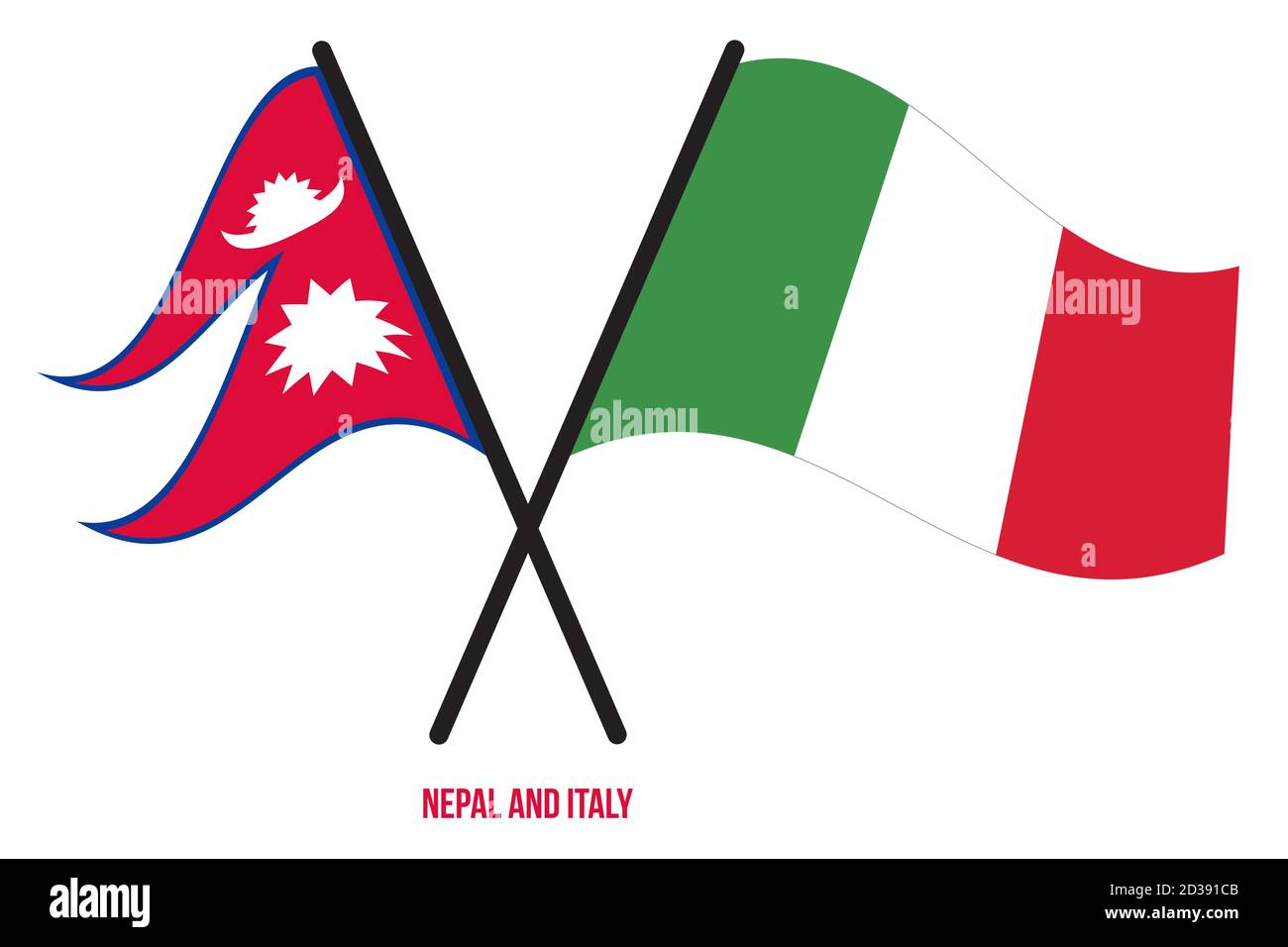
The cultural and geographical diversity of countries across the globe offers a fascinating insight into how history, geography, and social norms shape nations. This is particularly evident in the comparison between Nepal, a landlocked country in South Asia, and Italy, renowned for its historical legacy in Europe. Understanding the differences and similarities between these two nations is vital for scholars, travelers, and anyone interested in global cultures.
Geographical Overview
Nepal is situated primarily in the Himalayas and is known for its stunning landscapes that include Mount Everest, the highest peak in the world. The country spans approximately 147,516 square kilometers and showcases a range of climatic zones from tropical to alpine. In contrast, Italy, which covers about 301,340 square kilometers, boasts a varied topography that includes coastlines, mountains like the Apennines, and famous lakes such as Lake Como. Italy’s Mediterranean climate provides a different environmental backdrop compared to Nepal’s more diverse climate.
Cultural Heritage
Both Nepal and Italy have rich cultural heritages but express them in unique ways. Nepal is a mosaic of ethnic groups with over 120 spoken languages and diverse customs. The country’s traditions are deeply rooted in Buddhism and Hinduism, which is reflected in its numerous festivals, art, and architecture, such as the iconic stupas and temples in Kathmandu Valley. Italy, on the other hand, is famous for its contributions to art, architecture, and science. It is home to historical landmarks such as the Colosseum and the Vatican, celebrated artworks by masters like Leonardo da Vinci and Michelangelo, and is known for its significant influence on European culture.
Economy and Development
Economically, Italy is part of the G7, with a robust economy based on manufacturing, fashion, and tourism. It is one of the world’s top tourist destinations, attracting millions of visitors each year. Conversely, Nepal’s economy relies heavily on agriculture, tourism, and remittances from abroad. Although Nepal is developing rapidly, it still faces challenges such as infrastructure and education improvement compared to Italy’s advanced economic status.
Conclusion
In summary, the distinctions between Nepal and Italy unveil the rich tapestry of global cultures shaped by different histories and geographies. While Nepal offers breathtaking natural scenery and a unique blend of spiritual traditions, Italy shines with its artistic achievements and historical significance. For travelers and cultural enthusiasts alike, understanding these differences not only fosters appreciation but also enhances the experience of engaging with diverse worldviews. As globalization continues to bridge societies, awareness of such contrasts remains essential in building mutual respect and understanding among nations.