Introduction
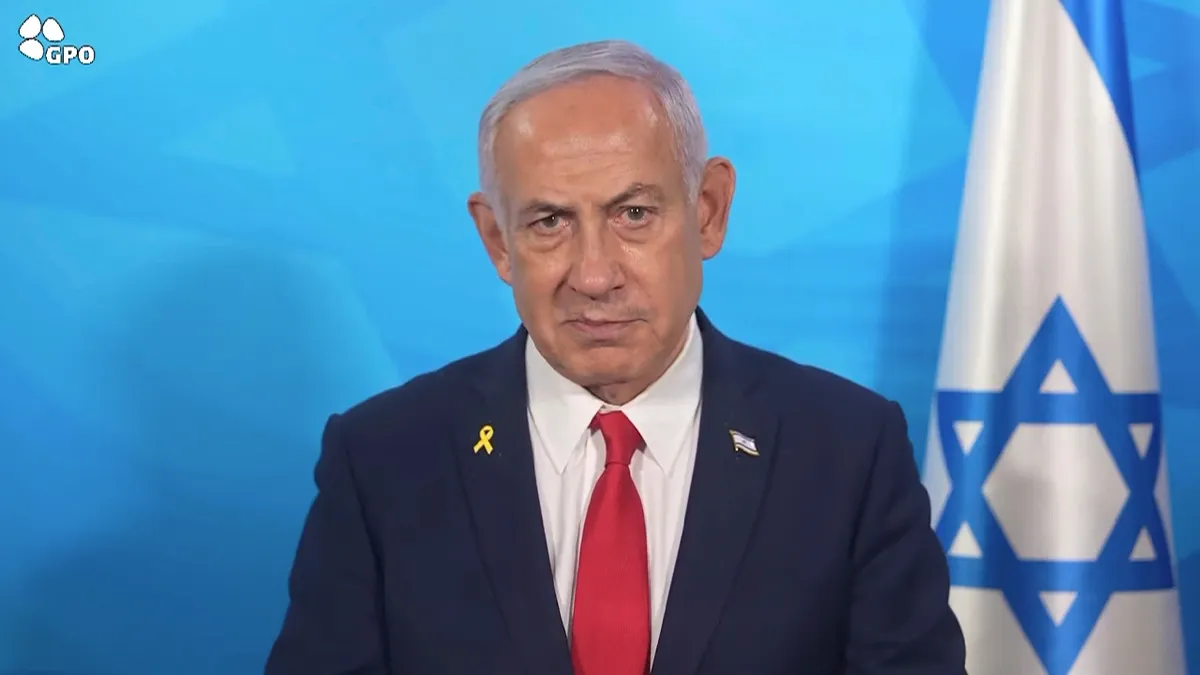
Benjamin Netanyahu, the Prime Minister of Israel, has been at the forefront of Israeli politics for decades. His leadership has been marked by controversies and challenges that reflect the complex socio-political landscape of Israel. As of 2023, Netanyahu continues to navigate a divided political environment, ongoing security issues, and evolving diplomatic relations, making his role increasingly significant both regionally and globally.
Current Political Landscape
In recent months, Netanyahu’s government has faced intense scrutiny, particularly regarding its approach to the Palestinian conflict and internal policies. The coalition government, comprising various right-wing parties, has seen internal strife over proposals regarding judicial reforms and settlement expansions. These debates have drawn widespread protests from citizens across the political spectrum who fear that such changes could undermine democratic institutions.
In October 2023, mass demonstrations erupted in Tel Aviv as citizens voiced their concerns over what they perceive as Netanyahu’s authoritarian tendencies. Protesters have emphasized the importance of maintaining judicial independence and civil rights, framing their rallies as a defense of Israel’s democratic values.
International Relations Under Netanyahu
Netanyahu’s foreign policy has also come under the microscope, especially amid shifting alliances in the Middle East. His administration has made significant strides in establishing normalization agreements with several Arab nations, commonly referred to as the Abraham Accords, which aimed to foster economic and security partnerships.
However, relations with key allies, particularly the United States, have been tense recently. The Biden administration has expressed concerns about settlement policies in the West Bank, which Netanyahu’s government has pursued vigorously. This stance puts the Prime Minister at a crossroads, as he tries to reassure U.S. support while addressing the demands of his right-wing coalition partners.
Conclusion
As Netanyahu navigates through 2023, the importance of his decisions is magnified by the ongoing regional instability and the potential for shifts in Israeli policy direction. The challenges he faces—both domestic and international—will likely define his legacy. Observers will be watching closely as Netanyahu strives to balance internal pressures against broader diplomatic efforts. The consequences of his leadership may not only affect Israel’s future but can also shape the dynamics of peace and stability in the Middle East.