Introduction
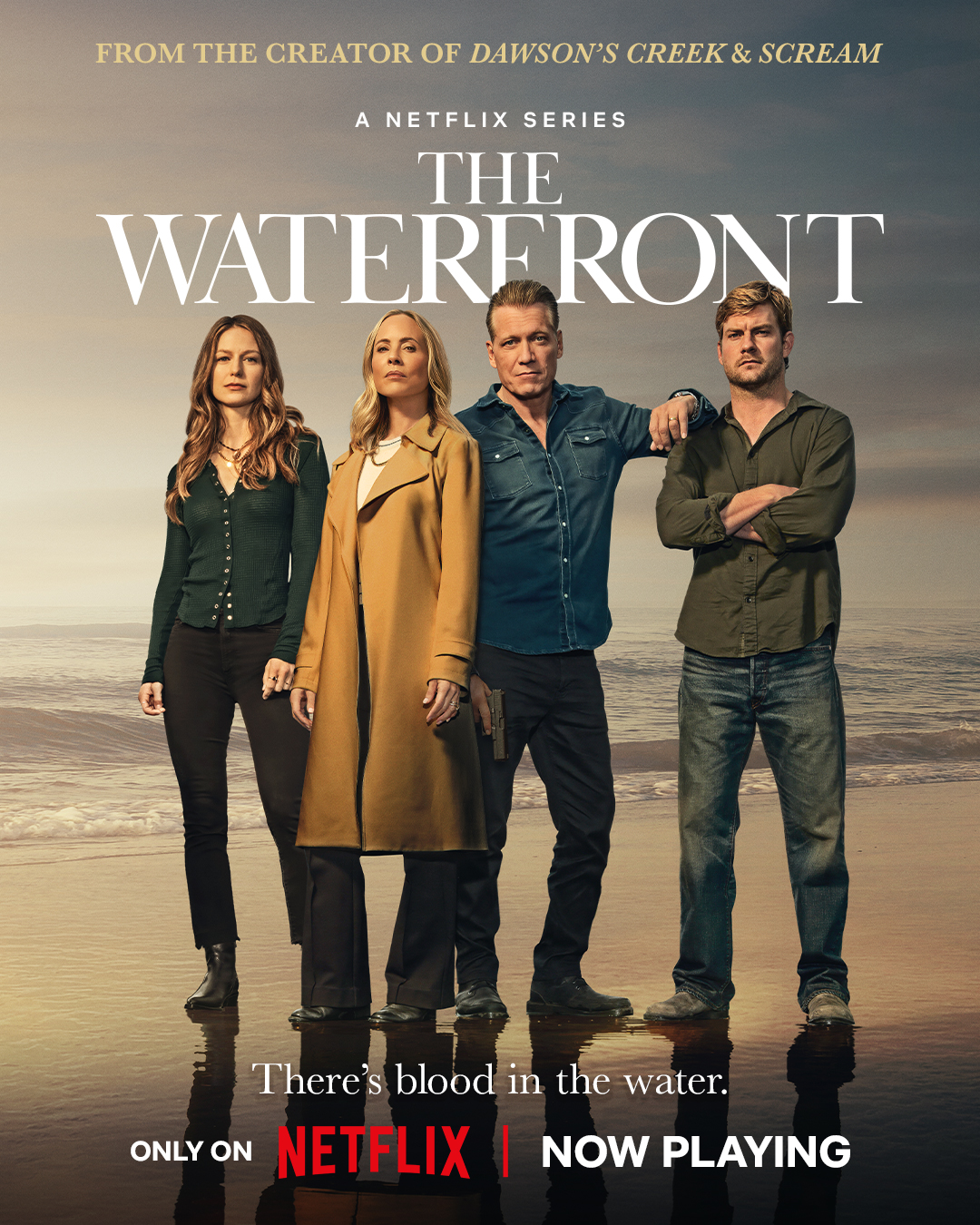
In a move that has sent shockwaves across its fan base, Netflix recently announced the cancellation of its much-anticipated series, Waterfront. This decision comes at a time when the streaming giant is reassessing its content strategy amid rising production costs and fierce competition. The cancellation of Waterfront, which had garnered significant buzz for its storylines and performance, raises critical discussions about the sustainability of streaming content and the impacts on viewers.
Details of the Cancellation
Waterfront, which was set to explore the intricate dynamics of life along the shores of a fictional city, was praised for its cinematic storytelling and character depth. Despite initial positive reception and engaging trailers, Netflix executives ultimately decided to pull the plug after its first season, citing “not meeting internal performance metrics.” The show’s fanbase has expressed disappointment over social media, with calls for a passionate revival similar to those seen in other canceled series.
Context and Industry Trends
Netflix’s decision to cancel Waterfront is not an isolated incident. In recent months, the streaming service and others like Hulu and HBO Max have increasingly cut back on original programming. The reasons behind these cuts are multifaceted: an over-saturated market with multiple streaming platforms, rising production costs, and the necessity to ensure that any content drives subscriber retention and growth. According to a report by Ampere Analysis, up to 30% of streaming series were canceled within their first two seasons in 2022, highlighting a trend of low tolerance for underperforming shows.
Consequences for Viewers and Creatives
The cancellation raises concerns for viewers who grow emotionally attached to characters and narratives only to have them abruptly taken away. Furthermore, it presents challenges for creators who may feel discouraged from investing time and resources into innovative storytelling formats, given the unpredictability of content longevity in the current climate. As audiences become more discerning and demanding, the pressure on streaming services increases to produce hit content consistently.
Conclusion
Ultimately, the cancellation of Waterfront illustrates the challenging landscape that streaming services must navigate as they balance creative ambitions with financial realities. As Netflix continues to evaluate its programming portfolio, it is essential for viewers and industry stakeholders to recognize the broader implications of such decisions. The fate of Waterfront serves as a reminder that while we consume content voraciously, it requires a sustainable model to thrive. Looking to the future, it will be critical for streaming platforms to cultivate a healthy environment for stories that resonate with diverse audiences, ensuring that series like Waterfront are not left on the cutting room floor.