Introduction
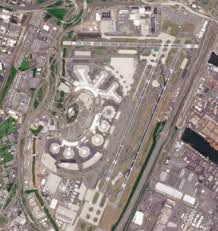
Newark Liberty International Airport (EWR) is one of the primary airports serving the New York City metropolitan area. Located in Newark, New Jersey, it is particularly significant as it is the oldest airfield in continuous use in the United States, having opened in 1928. As a major hub for both domestic and international flights, Newark Airport is essential for millions of travelers each year, facilitating connectivity and economic development in the region.
Recent Developments at Newark Airport
In recent years, Newark Airport has undergone significant renovations and expansions aimed at improving passenger experience and increasing airport efficiency. In early 2023, the airport announced a multi-billion dollar modernization plan, which will enhance terminal facilities, expand the existing airside and landside capacity, and upgrade transportation infrastructure. These efforts are timely as air travel demand continues to rebound following the COVID-19 pandemic, with passenger numbers reaching pre-pandemic levels by the summer of 2023.
The airport has also introduced new technology initiatives, including enhanced security screening processes and mobile check-in systems, aiming to streamline travel for passengers. Moreover, sustainability measures are being integrated into airport operations, focusing on reducing carbon emissions and improving energy efficiency, aligning with environmental goals that are increasingly important to travelers.
Impact on Travelers and the Region
Newark Airport’s role in connecting travelers to New York City cannot be overstated. With its strategic location just 16 miles southwest of Manhattan, it offers convenient access to the city through various transportation options, including the AirTrain Newark which directly links the airport to the NJ Transit and Amtrak services. In 2022, Newark Airport welcomed over 40 million passengers, making it a crucial player in the region’s economy and tourism sector.
However, the increase in passenger volume has also led to concerns over congestion and delays. The airport is actively addressing these issues through infrastructural upgrades and by working closely with airlines to optimize flight schedules.
Conclusion
Newark Airport is not just a transportation hub; it is a vital link that enhances global connectivity and regional accessibility. As it continues to modernize and adapt to the evolving needs of air travel, Newark Airport is poised to maintain its status as an essential gateway to New York City and beyond. Travelers can expect improvements that will make their journeys smoother and more efficient in the near future.