Introduction
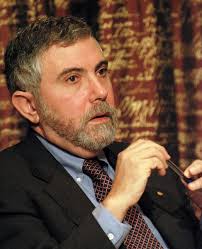
Paul Krugman, a Nobel Prize-winning economist and prolific author, has been a pivotal voice in economic discussions over the past few decades. His insights have shaped views on international trade, economic policy, and monetary theory, making him a key figure in understanding global economics. In today’s rapidly changing economic landscape, Krugman’s perspectives on inflation, fiscal policy, and social welfare are more relevant than ever, sparking discussions among policymakers and the public alike.
Key Contributions
Krugman’s work spans various aspects of economics. His most notable contributions lie in the fields of international economics and macroeconomics. He gained fame for his work on trade theory, particularly his models explaining the dynamics of globalization and trade patterns through economies of scale and consumer preferences. His influential textbooks and numerous academic papers set a foundation for modern economic thought.
In recent years, Krugman’s attention has shifted toward the impacts of government policy on economies, particularly in the wake of the COVID-19 pandemic. His advocacy for fiscal stimulus to support economic recovery gained traction after various nations implemented expansive monetary policies. He argues that government intervention is crucial during downturns to stabilize economies and promote recovery.
Recent Comments and Predictions
As of October 2023, Krugman has expressed concerns regarding inflation trends and housing market fluctuations in the United States. In his latest column for The New York Times, he analyzed the potential implications of the Federal Reserve’s interest rate hikes and addressed how such decisions might affect consumers and the larger economy. He cautioned that while measures to control inflation are necessary, they should be weighed carefully against the risk of stalling economic growth.
Additionally, Krugman has discussed the impact of income inequality on economic stability. He argues that addressing disparities in wealth distribution is essential not only from a moral standpoint but also to ensure sustainable economic growth. His views resonate with recent trends where discussions on wealth and income inequality have gained prominence in economic policy debates.
Conclusion
Paul Krugman’s insights continue to influence the economic landscape in the United States and around the world. As we navigate through complex economic challenges, his analyses serve as critical resources for understanding the interplay between policy and economic outcomes. Followers of economic trends should pay attention to Krugman’s ongoing work, as his predictions and recommendations will likely shape future discussions on economic recovery and reform.