Introduction
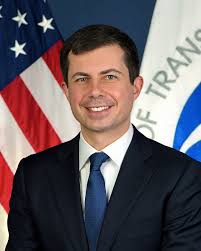
Pete Buttigieg, the U.S. Secretary of Transportation, has become a prominent figure in American politics since his presidential run in 2020. His role in shaping transportation policy is crucial, especially as the nation faces infrastructure challenges and seeks to address climate change. Understanding Buttigieg’s initiatives provides insight into his influence on America’s future.
Current Events and Initiatives
Buttigieg was confirmed as Secretary of Transportation in February 2021, and his office quickly became a pivotal player in the Biden administration’s infrastructure plans. Under his leadership, the Department of Transportation (DOT) has worked on the implementation of the Bipartisan Infrastructure Law, which allocates $1.2 trillion toward improving the nation’s transportation systems. This includes significant funding for public transit, road repairs, and bridges, emphasizing a modernized approach to resilience against climate impacts.
Recently, Buttigieg has been at the forefront of discussions on electric vehicles (EVs), advocating for a shift away from fossil fuel dependency and promoting cleaner transportation options. During a recent conference, he stated that the U.S. has a critical opportunity to lead in the global EV market, highlighting federal incentives for transitioning to electric fleets, improving charging infrastructure, and encouraging private sector investment.
Challenges Faced
Despite these initiatives, Buttigieg faces significant challenges. The COVID-19 pandemic led to disrupted supply chains, affecting transportation logistics across the country. In response to the ongoing congestion issues at major ports and railways, Buttigieg has pushed for regulatory reforms to speed up the movement of goods and ensure reliability in the supply chain. Moreover, he has publicly fielded criticism regarding rising gas prices and the impact these high costs have on the average American.
Conclusion
Pete Buttigieg’s role as Secretary of Transportation places him at the heart of pressing issues like climate change, economic recovery, and social equity. As he continues to navigate these complex challenges, his efforts could lead to significant changes in how infrastructure is approached in the United States. Looking ahead, Buttigieg’s initiatives may not only reshape transportation policies but also influence broader political dynamics as the country strives for a sustainable future. His ongoing projects are essential for readers to follow, as they hold weight in shaping America’s transit landscape for years to come.