Background and Initial Expectations
Before the recent developments at the 2026 Americas Counter Cartel Conference, there was a prevailing expectation that Latin American countries would continue their existing strategies in combating drug trafficking. Historically, the United States has invested billions of dollars in military aid to its allies in the region, yet drug production, particularly cocaine, has reached record highs. This situation has led to a perception that traditional methods were insufficient in addressing the escalating crisis.
Decisive Moment at the Conference
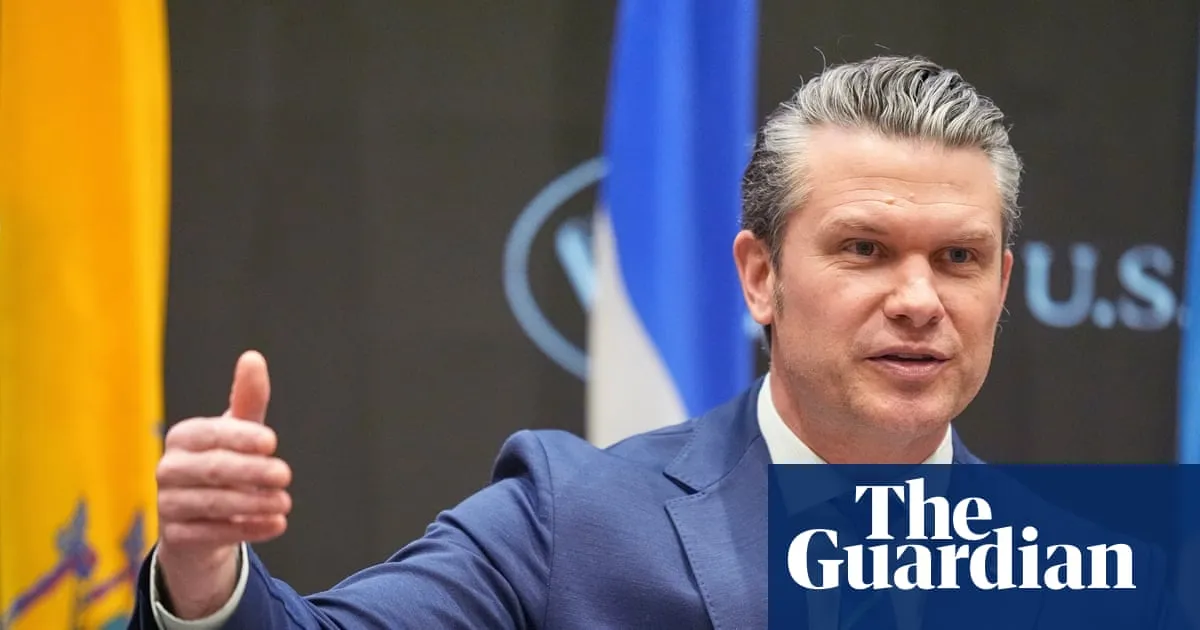
During the conference held in Miami, Florida, Pete Hegseth urged representatives from 16 Latin American and Caribbean countries to adopt a more aggressive approach against drug cartels. He stated, “America is prepared to take on these threats and go on offense alone if necessary.” This marked a significant shift in rhetoric, as Hegseth’s comments came amid a backdrop of increasing violence and instability linked to drug trafficking. Notably, 152 people were reported killed in strikes on small boats associated with these cartels, underscoring the urgency of the situation.
Immediate Reactions and Effects
The response to Hegseth’s remarks was mixed. While some attendees may have resonated with his call for action, the absence of key nations such as Colombia, Mexico, and Brazil—countries with significant shares of drug production and trafficking—raised questions about the feasibility of a unified approach. Critics, including Joe Scarborough, labeled Hegseth’s comments as “childish” and “pathetic,” suggesting that his perspective might oversimplify a complex issue. Furthermore, Mika Brzezinski described his remarks as “pathetic, but also embarrassing,” highlighting the contentious nature of the discourse.
Expert Perspectives
Experts in the field have weighed in on the implications of Hegseth’s statements. David Marques emphasized that “military power alone is not sufficient to deal with this challenge,” pointing to the need for comprehensive strategies that extend beyond military intervention. This perspective aligns with the historical context of the U.S. approach to the ‘war on drugs,’ which has evolved over time. The concept, once a central tenet of U.S. policy, is no longer framed in the same way internally, reflecting a shift in understanding the complexities of drug-related violence.
Political Ramifications
Hegseth’s remarks also have political ramifications, particularly as they relate to the ongoing discourse surrounding U.S. foreign policy and military engagement. Stephen Miller, another prominent figure at the conference, argued that drug cartels can only be defeated with military force, echoing Hegseth’s sentiments. However, this stance may face opposition from those advocating for a more nuanced approach that considers the socio-economic factors driving drug trafficking.
Public Sentiment and Criticism
Public sentiment regarding Hegseth’s comments appears divided. While some may support a tougher stance against drug cartels, others express concern over the potential for increased military involvement in Latin America. Hegseth himself has faced criticism for his past comments regarding American casualties in the Iran War, which some view as indicative of a broader insensitivity to the human cost of military interventions. His tattoo, which reads ‘DEUS VULT,’ has also drawn attention, symbolizing a controversial stance on military action.
Conclusion and Future Considerations
As the situation continues to evolve, the effectiveness of Hegseth’s call for a more aggressive approach remains to be seen. The complexities of drug trafficking and the varying responses from Latin American nations will play a crucial role in shaping future strategies. Details remain unconfirmed regarding the long-term implications of this conference and the potential for a coordinated response to the ongoing crisis.