Introduction
Phil Knight, co-founder and former CEO of Nike, is a pivotal figure in the athletic footwear and apparel industry. His vision and leadership have transformed Nike from a small startup into one of the most recognizable brands globally. Understanding Knight’s journey gives insight into the evolution of sports marketing and business innovation.
Early Life and Education
Born on February 24, 1938, in Portland, Oregon, Phil Knight spent his youth immersed in athletics, especially track and field. After earning a business degree from the University of Oregon and an MBA from Stanford University, Knight embarked on a journey that would change the sports industry. His entrepreneurial spirit ignited when he proposed a unique idea during his MBA program: importing high-quality, low-cost running shoes from Japan.
The Birth of Nike
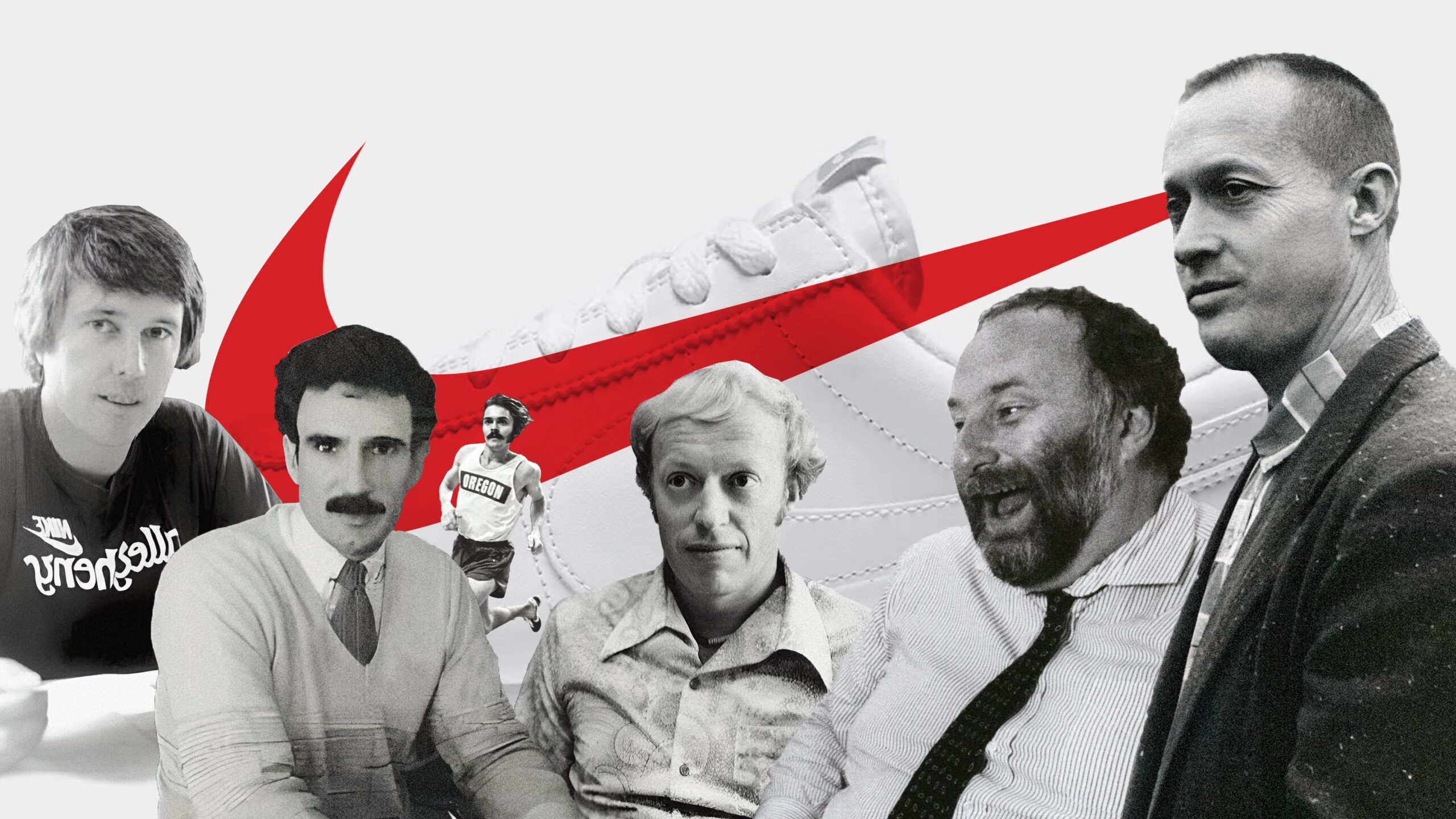
In 1964, Knight partnered with his former track coach, Bill Bowerman, to create Blue Ribbon Sports, which later became Nike, Inc. The company’s first major product was the now-iconic Nike Cortez. Knight’s marketing strategies were innovative for the time, leveraging athlete endorsements and grassroots marketing that would change how sports products were advertised. In 1971, the company adopted the name Nike, derived from the Greek goddess of victory, and introduced the famous Swoosh logo, designed by student Carolyn Davidson.
Growth and Challenges
Throughout the 1970s and 1980s, Nike experienced exponential growth, fueled by athletic endorsements from superstar athletes like Michael Jordan and Serena Williams. Knight, with his hands-on management style, navigated challenges, including labor disputes and competition. Nike’s marketing campaigns, such as the “Just Do It” slogan introduced in 1988, solidified its market position.
Legacy and Philanthropy
Phil Knight retired as CEO in 2004 but remains active with the company. He has also dedicated significant resources to philanthropic efforts, focusing on education, health care, and sports. He has donated hundreds of millions to the University of Oregon and Stanford. His biography, “Shoe Dog,” published in 2016, offers an inside look into his entrepreneurial journey and the lessons learned along the way.
Conclusion
Phil Knight’s influence on the sports industry is unparalleled. His innovative vision not only changed how sports products are marketed but also set a standard for branding that many companies still emulate today. The evolution of Nike under his leadership illustrates the power of perseverance and creativity in the business world. As the athletic industry continues to evolve, Knight’s legacy will undoubtedly influence future entrepreneurs and business leaders, solidifying his status as a transformative figure in global commerce.