Introduction
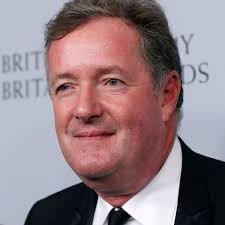
Piers Morgan, a prominent figure in British and American media, is known for his outspoken views and controversial commentary on various issues. From his days as a tabloid editor to becoming a television host and journalist, Morgan’s presence in the media landscape is significant. His influence extends beyond traditional journalism, impacting public discourse in today’s digital age. Understanding Morgan’s career trajectory and his impact can provide insight into the evolving world of media and opinion.
Career Overview
Piers Morgan rose to fame as the editor of the News of the World and later the Daily Mirror, where his provocative style garnered attention and criticism. His transition from print to television began with his role on British television shows, including ‘Celebrity Big Brother’ and later on various talk shows. In the United States, he became a household name as the host of ‘Piers Morgan Tonight’ on CNN from 2011 to 2014. His style of interviewing, characterized by direct and often confrontational questions, has made him a controversial figure, especially when discussing sensitive topics like politics and celebrity culture.
Controversies and Impact
Piers Morgan is no stranger to controversy. His outspoken nature has often resulted in public backlash, especially regarding his comments on social issues, political figures, and current events. For example, his criticism of the British royal family and his stance on issues such as gun control in America have sparked heated debates. The most notable incident was his departure from ‘Good Morning Britain’ in March 2021, following his remarks about Meghan Markle, which ignited a discussion on mental health and media responsibility.
His ability to polarize audiences has made him a significant figure in discussions about media ethics and the role of journalists in society. Critics argue that his sensationalist approach often overshadows important issues, while supporters claim he brings necessary attention to matters often overlooked by the mainstream media.
Conclusion
Piers Morgan’s multifaceted career and controversies paint a larger picture of the changing media landscape. As social media continues to shape public discourse, figures like Morgan will likely remain influential, for better or worse. His approach to journalism raises critical questions about the responsibilities of media professionals in an era marked by sensationalism and polarized opinions. As we look to the future, understanding the implications of Morgan’s career can help readers navigate the complexities of contemporary media and the ongoing debates about freedom of speech and the impact of celebrity culture.