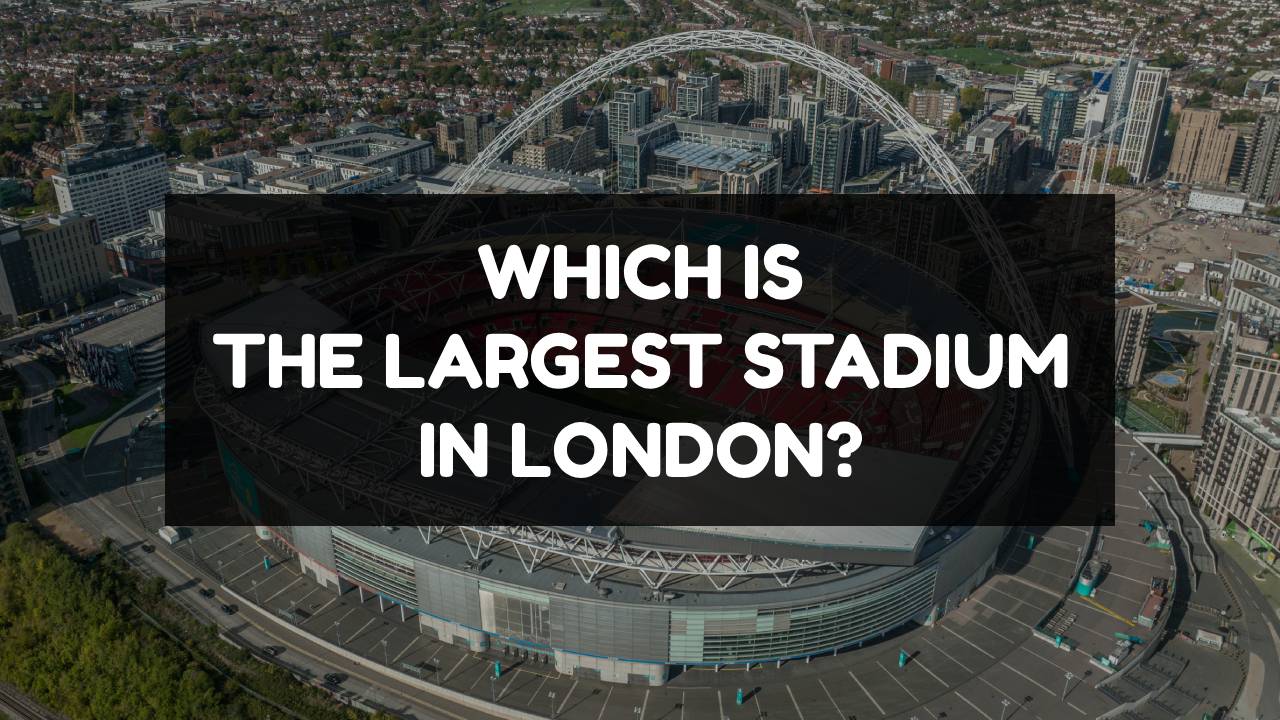
London is regarded as one of the foremost football capitals globally – the city boasts clubs from the Premier League, the Championship, and lower leagues, while also hosting cup finals, matches of the England national team, and significant European tournaments. When it comes to the quantity of renowned stadiums, London is difficult to match with any other city: it includes Wembley Stadium, Emirates Stadium, Tottenham Hotspur Stadium, London Stadium, Stamford Bridge, and several other prominent venues.
The response to the inquiry about which stadium holds the title of the largest in London is straightforward – Wembley Stadium. It stands as the largest stadium in Great Britain and ranks among the largest football stadiums in Europe.
| Stadium | Capacity | Main use / club | Opened |
|---|---|---|---|
| Wembley Stadium | 90,000 | England national team , FA Cup finals, major matches and concerts | 2007 |
| Twickenham Stadium (Allianz Stadium) | 82,000 | England national rugby union team | 1909 |
| Tottenham Hotspur Stadium | 62,850 | Tottenham Hotspur | 2019 |
| London Stadium | 62,500 | West Ham United , football, athletics competitions, concerts | 2011 |
| Emirates Stadium | 60,704 | Arsenal | 2006 |
| Stamford Bridge | 40,341 | Chelsea | 1877 |
Wembley Stadium – the largest stadium in London
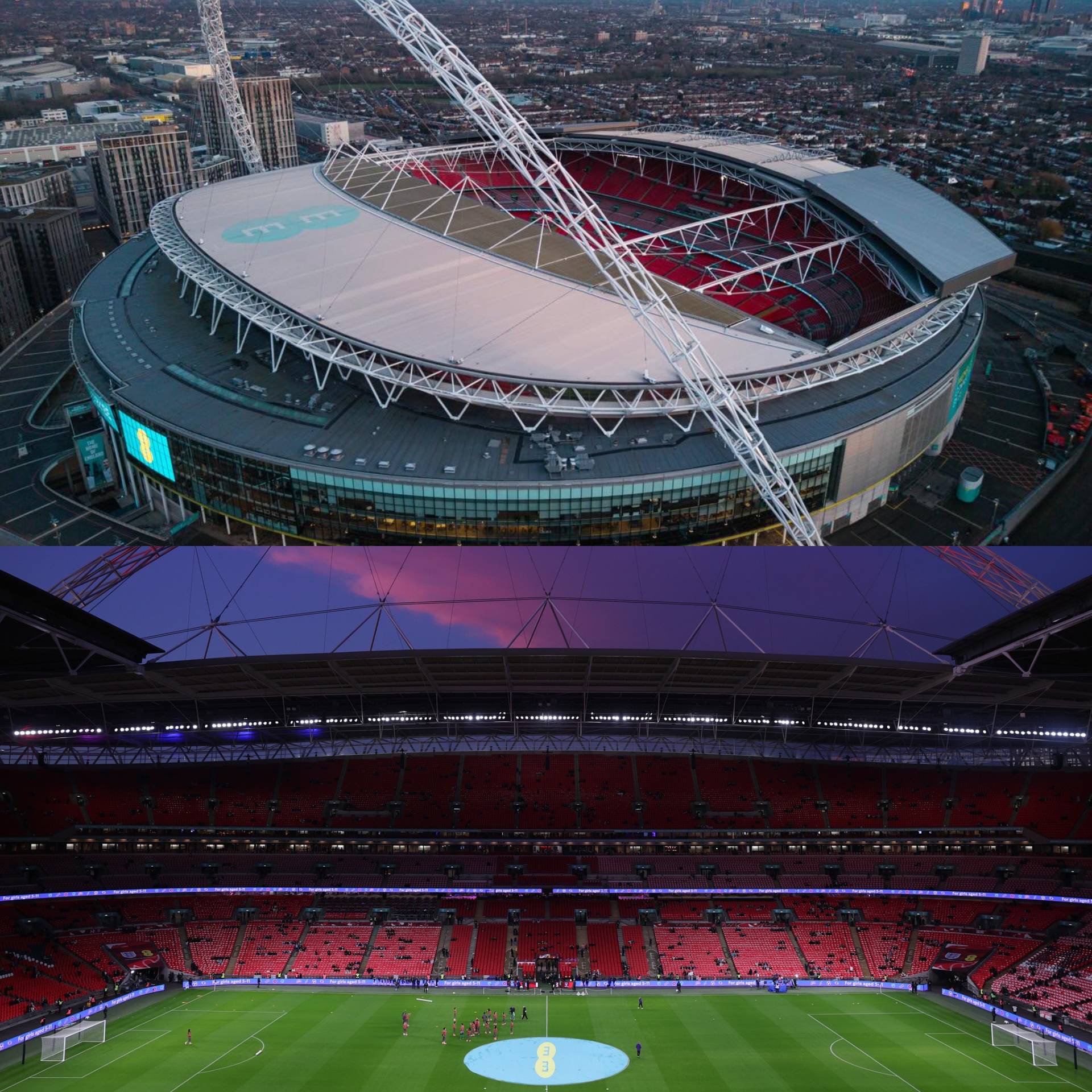
Wembley Stadium serves as the foremost sports venue in the capital of Great Britain. It stands not only as the largest stadium but also as a genuine emblem of English football. Wembley Stadium hosts:
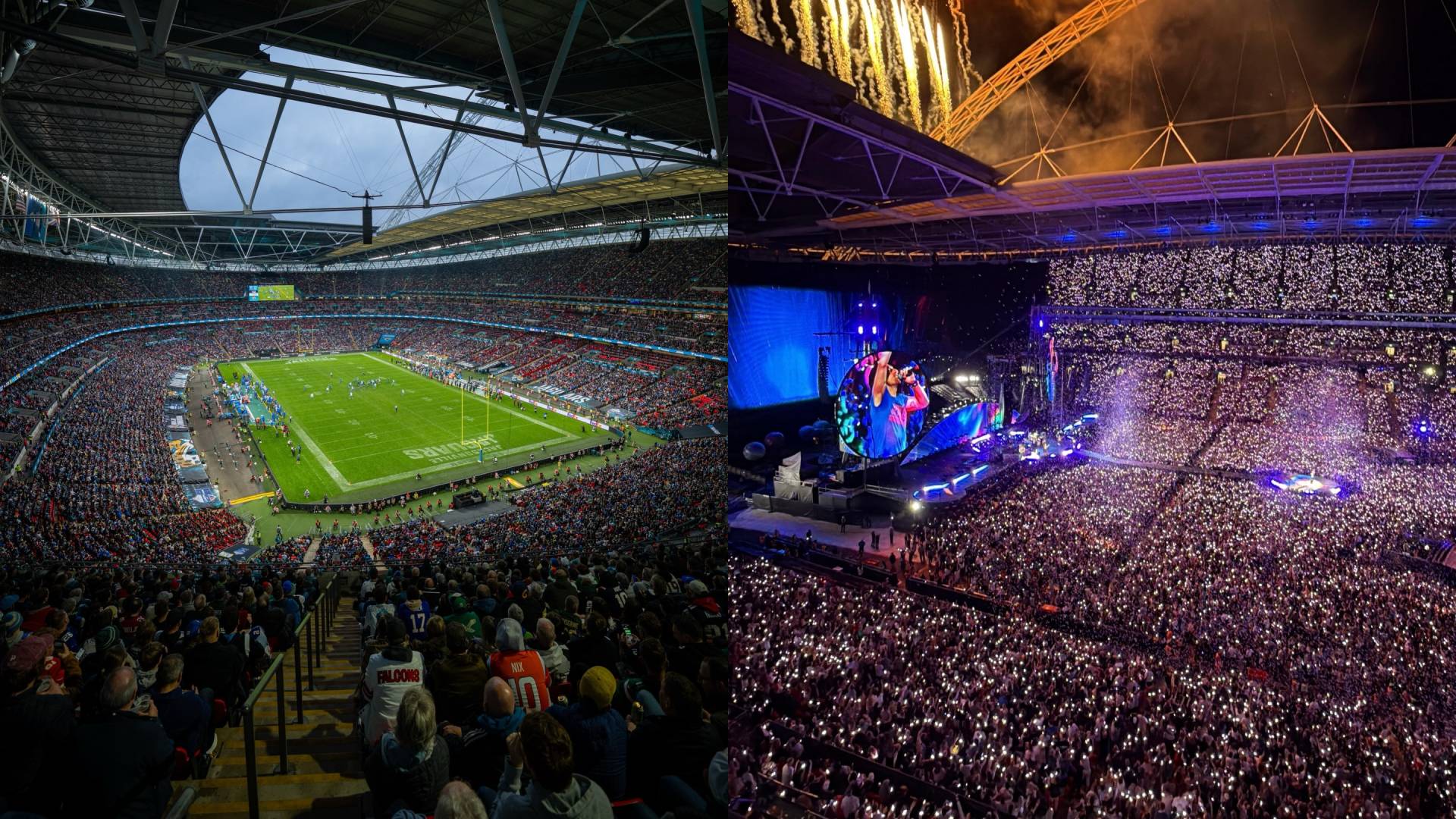
- England’s home matches;
- FA Cup finals;
- UEFA Champions League finals;
- concerts by global stars;
- NFL London Games.
The venue can accommodate 90,000 spectators. It is important to mention that the previous Wembley also set records: prior to its reconstruction, it had a capacity exceeding 100,000, with an attendance record in 1923 surpassing 126,000 fans.
The contemporary Wembley was inaugurated in 2007 on the grounds of the historic stadium, which had been in existence since 1923. The new design was so ambitious that it quickly became one of the most iconic sports arenas in Europe.
This stadium is not only the largest in the United Kingdom but also ranks as the second-largest football stadium in Europe, following Camp Nou. It is among the largest stadiums globally that are specifically built for football. The architects aimed to create not just a football venue but a national landmark. The design considered future needs: expansive seating, cutting-edge acoustics, a retractable roof, and infrastructure capable of accommodating events of any magnitude.
The most distinctive element of the stadium is the massive steel arch that spans the roof. It reaches approximately 133 metres in height and is around 315 metres in length. This structure serves two functions:
- it provides support for part of the roof;
- it acts as an architectural emblem of Wembley and London as a whole.
At night, the arch is illuminated and can be seen from several kilometres away. For supporters, it is as closely linked to English football as the red buses are to London itself.
Wembley serves as the official home ground for the England national team. It hosts:
- qualifying matches;
- UEFA Nations League matches;
- friendly matches;
- major international tournaments.
Moreover, Wembley traditionally hosts:
- the FA Cup final;
- the EFL Cup final;
- FA Community Shield matches;
- semi-finals and finals of major UEFA tournaments.
The stadium was the venue for the UEFA Champions League finals in 2011 and 2013, as well as matches during UEFA Euro 2020, including the final between Italy and England. However, the arena is not solely focused on sports; it also accommodates cultural events. It is a versatile stadium. Over the years, it has welcomed performances from Taylor Swift, Coldplay, Beyoncé, Ed Sheeran, Harry Styles, BTS, and numerous other artists.
In addition to musical performances, Wembley also hosts:
- NFL London Games;
- boxing nights;
- wrestling tournaments;
- charity shows and major ceremonies.
Wembley remains bustling with activity nearly all year round, not just during the football season. While England boasts many renowned stadiums, this one is regarded as the most significant.
Other prominent stadiums in London
Let’s explore some of the other significant stadiums in London. We will provide information about their background, seating capacity, and the events that take place there.
Tottenham Hotspur Stadium
Tottenham Hotspur Stadium stands as one of the most contemporary and technologically sophisticated stadiums not just in London but across Europe. It was inaugurated in 2019 after the old White Hart Lane, the previous home of Tottenham Hotspur, was demolished.
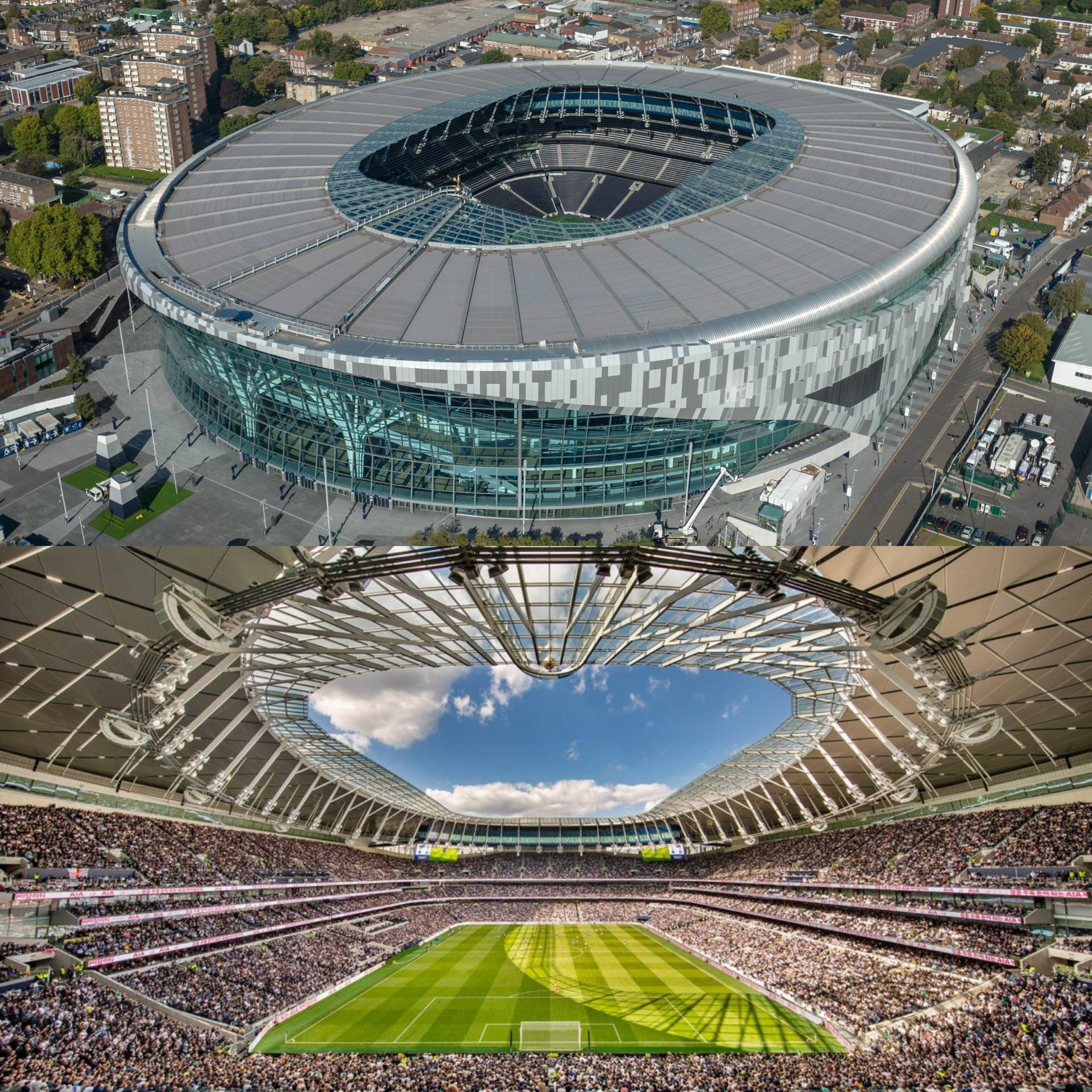
With a seating capacity of 62,850, it is among the three largest stadiums in London. However, its uniqueness extends beyond mere size. It was designed to serve multiple purposes:
- the pitch can be ‘extended’ and reconfigured;
- an NFL pitch with artificial turf is concealed beneath the football turf;
- the stands are arranged as close as possible to the pitch, creating an incredibly loud atmosphere.
This stadium is one of the few globally that consistently accommodates both football and NFL games. To facilitate this, it features a distinct retractable pitch system — a relatively uncommon and costly innovation.
The construction expenses were around £1 billion, making it one of the priciest stadiums in the history of sports. Tottenham Hotspur Stadium hosts:
- Tottenham Hotspur home matches;
- NFL London Games;
- boxing events;
- concerts by prominent artists.
In terms of atmosphere, it frequently competes with Wembley; however, in terms of prestige, it remains a club stadium rather than a national venue.
Emirates Stadium
Emirates Stadium serves as the home ground for Arsenal, having opened in 2006 following the club’s relocation from the iconic Highbury. It accommodates around 60,704 fans, ranking as the fourth-largest football stadium in London, behind Wembley Stadium, Tottenham Hotspur Stadium, and the London Stadium.

The stadium boasts a modern design in all aspects; its notable characteristics include:
- excellent sightlines from every section;
- well-thought-out acoustics (though it tends to be louder than older venues);
- user-friendly amenities for supporters.
The construction of the Emirates Stadium required an investment of around £390–400 million. At the time it opened, it was among the priciest stadiums in Europe. The Emirates Stadium is the venue for:
- Arsenal’s home games in the Premier League;
- matches in the UEFA Champions League and other European competitions;
- occasionally, fixtures involving England’s youth and women’s national teams;
- commercial activities and concerts (although football is the main focus).
The atmosphere within the stadium merits special recognition. Following the transition from Highbury, supporters often claimed that the venue lacked ‘soul’. However, over the years, the Emirates Stadium has established itself as a well-known landmark in London and one of the most frequented football sites in the city.
London Stadium
London Stadium has a unique background. It was constructed for the 2012 London Olympic Games, and following the event, it was adapted for football use. Currently, it serves as the home ground for West Ham United.
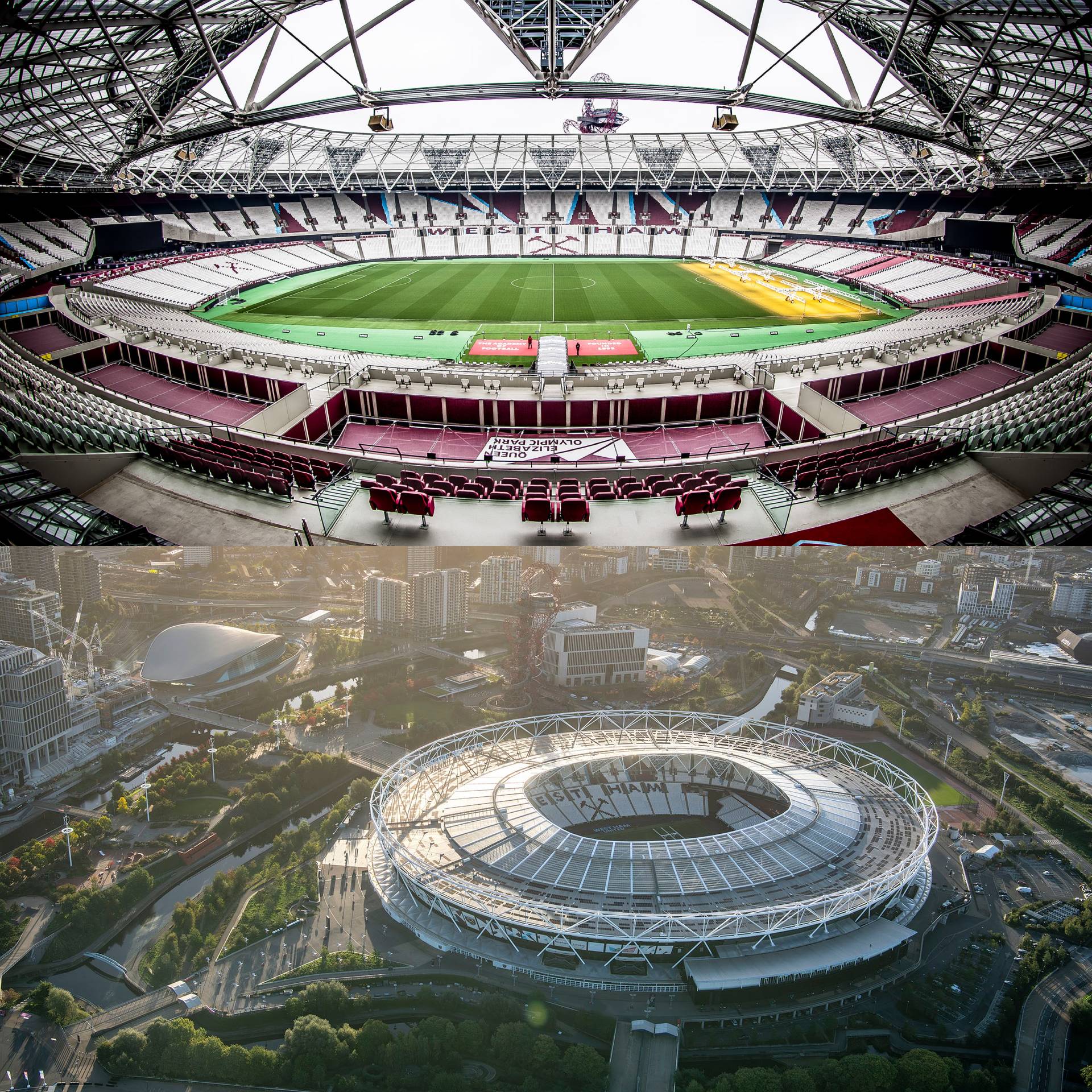
The venue can accommodate approximately 62,500 attendees (for football matches; this may change based on the setup). It is essential to note that this is not a traditional football stadium, but rather a versatile facility. Its seating can be partially relocated and rearranged.
The playing field is positioned away from the stands, which is a reason why some fans critique the atmosphere. Additional noteworthy aspects of the London Stadium include:
- movable structural components for various sports;
- a contemporary pitch conversion system;
- infrastructure intended to host multiple types of events simultaneously (football, athletics, concerts).
This stadium ranks among London’s most adaptable venues, yet it does not possess the most pronounced ‘football spirit’.
Stamford Bridge
Stamford Bridge ranks among the oldest and most vibrant stadiums in London. It was inaugurated in 1877 and has served as the home ground for Chelsea since the late 19th century. The venue accommodates 40,341 spectators.
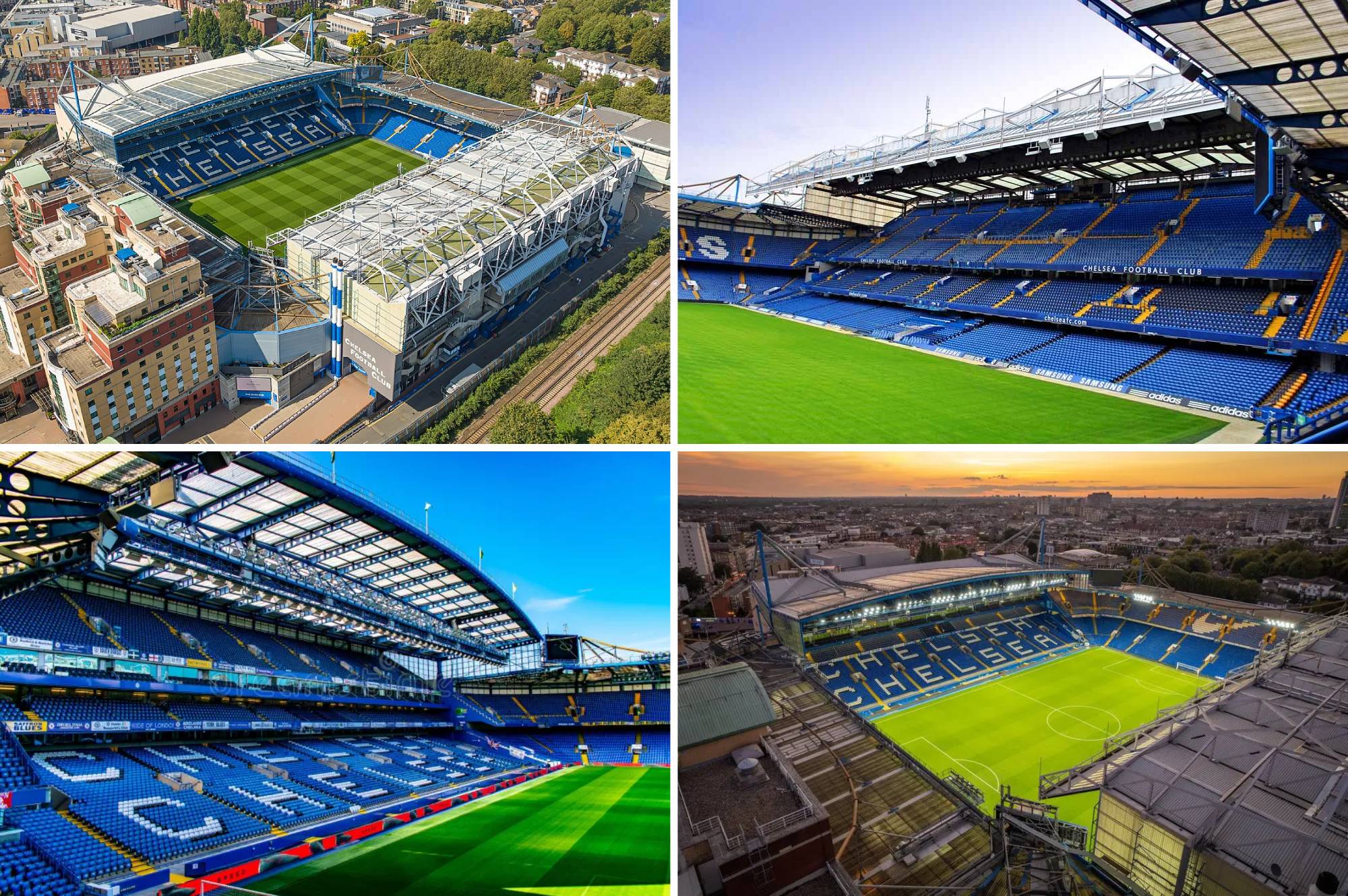
This stadium is located right in the centre of the city, encircled by streets, residences, and a railway line. Given its unique positioning, expanding the stadium is nearly unfeasible. The primary characteristics of Stamford Bridge include:
- very compact design — the stands are in close proximity to the pitch;
- a ‘tight-knit’ atmosphere during games;
- one of the most ‘urban’ stadiums within the Premier League.
The stadium has undergone numerous renovations, especially during the 1990s and 2000s. In spite of its age, the interior remains relatively contemporary. Chelsea’s management frequently engages in discussions regarding a comprehensive renovation or relocation due to the limitations on expansion.
Stamford Bridge is a venue rich in history and character. While it may not be the largest or the most modern, it is frequently regarded as one of the most ‘lively’ stadiums in England in terms of atmosphere.
Fascinating details
Bringing together all of London’s stadiums in a single image would quickly reveal that this is more than just a set of venues; it represents a complete sporting ecosystem, where each venue possesses its own identity and fulfills its unique function.
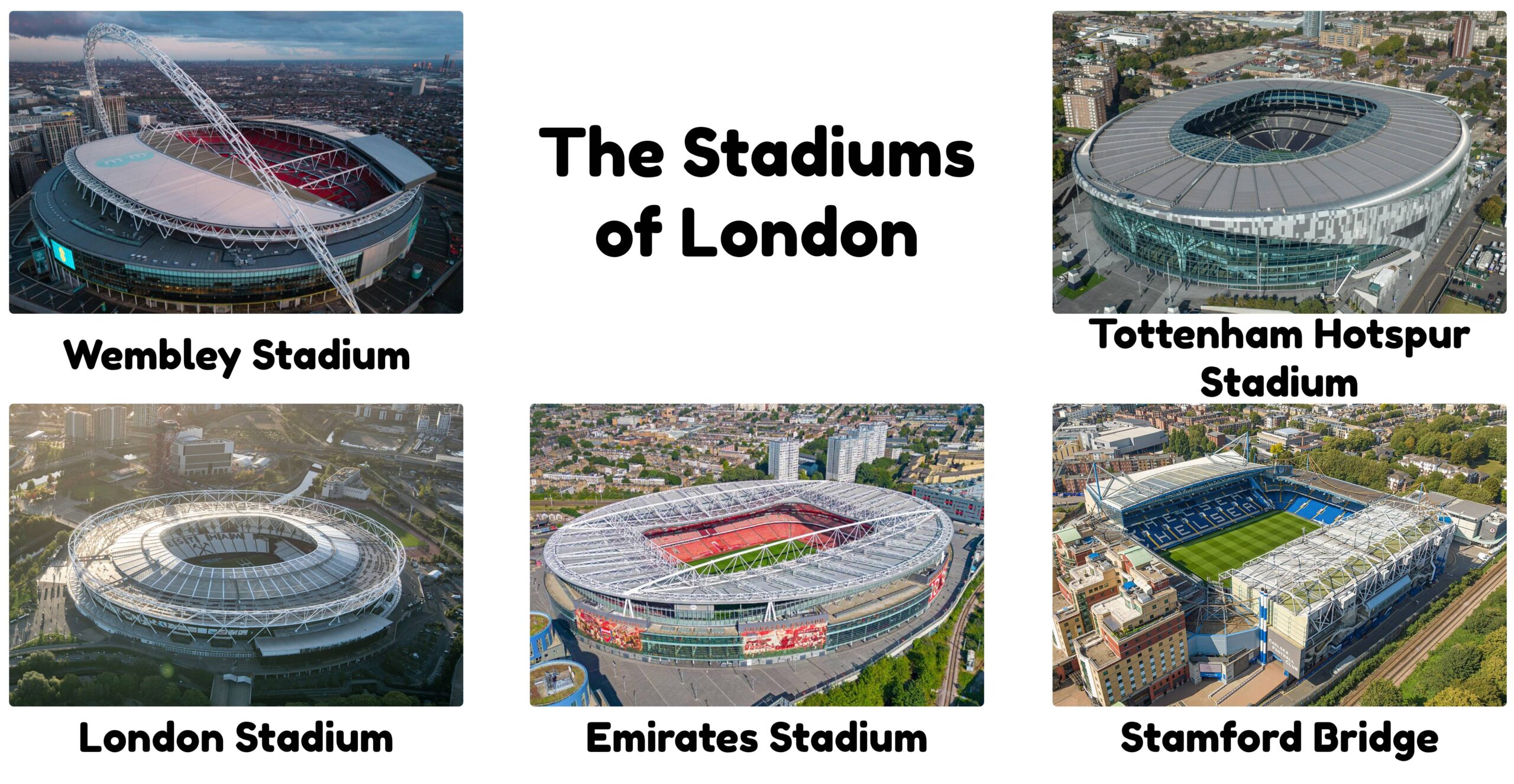
Let’s begin with the most renowned one — Wembley Stadium. It holds the title of the largest stadium in the United Kingdom, accommodating 90,000 spectators. In terms of European rankings, it stands among the largest football stadiums, second only to Camp Nou in Barcelona, while surpassing most others across Europe.
The NFL in London deserves a special mention. American football has transitioned from a one-time event to a well-established tradition. Games from the NFL International Series are regularly hosted at Wembley Stadium and Tottenham Hotspur Stadium. Notably, Tottenham Hotspur Stadium was specifically designed for this purpose, featuring a retractable pitch that enables a swift transition between football and NFL without compromising the quality of the turf.
Regarding concerts, Wembley Stadium and the London Stadium have long been considered top-tier concert venues in Europe. Renowned artists such as Ed Sheeran, Beyoncé, Coldplay, and Taylor Swift perform at these locations, often not just for a single show but for multiple consecutive performances. For many musicians, Wembley is an essential stop on their global tours.
Another surprising aspect for many is the financial investment in football stadiums across England. The record holders in this category are:
- Tottenham Hotspur Stadium cost around £1 billion and is regarded as one of the most expensive stadiums in Europe.
- Wembley Stadium cost around £798 million after its renovation.
- Emirates Stadium cost approximately £390–400 million.
In a single city, venues that host UEFA finals, NFL games, Olympic events, and world-class concerts coexist effortlessly. In this regard, London is not merely a football city, but a location where stadiums function almost continuously, utilized throughout the entire year.
Final Thoughts
Wembley Stadium in London occupies a unique position. Even though the city boasts numerous contemporary venues like Tottenham Hotspur Stadium and Emirates Stadium, Wembley continues to be the primary landmark. It serves not only as a club stadium but also as the national stage for England.
With a capacity of approximately 90,000 attendees, it hosts events that often go beyond the confines of a single club. It is the site for FA Cup finals, matches involving the England national team, crucial UEFA tournament games, significant concerts, and top-tier performances. When a truly significant event is scheduled in London, there is a strong likelihood it will take place at Wembley Stadium.
Simultaneously, every stadium in London contributes to the overall landscape of the city. These venues are not merely sports facilities; they are integral to the urban experience. Wembley Stadium represents grandeur and national finals. Tottenham Hotspur Stadium showcases innovation and adaptability. Emirates Stadium epitomises contemporary comfort and club identity. London Stadium is a remnant of the Olympics and is noted for its flexibility. Stamford Bridge reflects the rich history and atmosphere of traditional football in London.
In the capital of the United Kingdom, the stadiums do not replicate each other but instead enhance one another. Each venue possesses its own distinct character, history, and fanbase.
Common inquiries
What is the number of football stadiums in London?
The precise count varies based on which venues are deemed professional. If we focus solely on the stadiums of Premier League teams, English Football League clubs, and prominent teams, there are over 20 in London and its vicinity. Some of the most notable include: Wembley Stadium; Emirates Stadium; Tottenham Hotspur Stadium; Stamford Bridge; London Stadium; Craven Cottage; Selhurst Park; The Den; Loftus Road and others.
What is the number of cricket stadiums in London?
London is home to numerous significant cricket grounds, with two primary international facilities: Lord’s Cricket Ground and The Oval. These venues are responsible for hosting England’s Test matches, international competitions, and finals of national tournaments. Lord’s is commonly known as the ‘home of cricket’. This stadium was inaugurated in the 19th century and is regarded as one of the most renowned sporting locations in the world.
Which stadium holds the title of the largest in the world?
The Rungrado 1st of May Stadium, located in Pyongyang, North Korea, is the largest stadium globally when considering its seating capacity. It is estimated to accommodate around 114,000 attendees. This venue hosts football games, large-scale performances, and official state functions.
Which stadium holds the title of the largest in the UK?
The biggest stadium in the United Kingdom is Wembley Stadium located in London. It has an official seating capacity of 90,000. Following it is Twickenham Stadium, the largest rugby venue in the nation, accommodating approximately 82,000 spectators.
Which stadium has the highest capacity?
When examining active sports venues around the globe, Rungrado 1st of May Stadium ranks first in terms of official seating capacity. However, the measurement can vary: for American football, Michigan Stadium is deemed the largest, accommodating over 107,000 spectators. In the realm of cricket, the Narendra Modi Stadium in India holds the record with a capacity of approximately 132,000. In Europe, the largest football stadium is Camp Nou located in Barcelona.