Reaction from the field
The escape of Polish Jews during the Holocaust is a poignant narrative that underscores the resilience of a community facing annihilation. Mikhal Dekel’s book, ‘Tehran Children’, sheds light on this harrowing journey, particularly focusing on her father, Hannan Teitel, who fled Poland in 1939. His family’s escape was not just a personal struggle but part of a larger story involving approximately 250,000 Polish Jews who managed to survive through similar means.
Hannan Teitel was born in a well-to-do family in Ostrów Mazowiecka, Poland. As the threat of the Holocaust loomed, his family made the desperate decision to flee towards the Soviet border. However, their journey took a dire turn when they were arrested by the NKVD and sent to Arkhangelsk, where they endured 14 months as laborers. This experience was marked by severe hardships, including a lack of food and shelter.
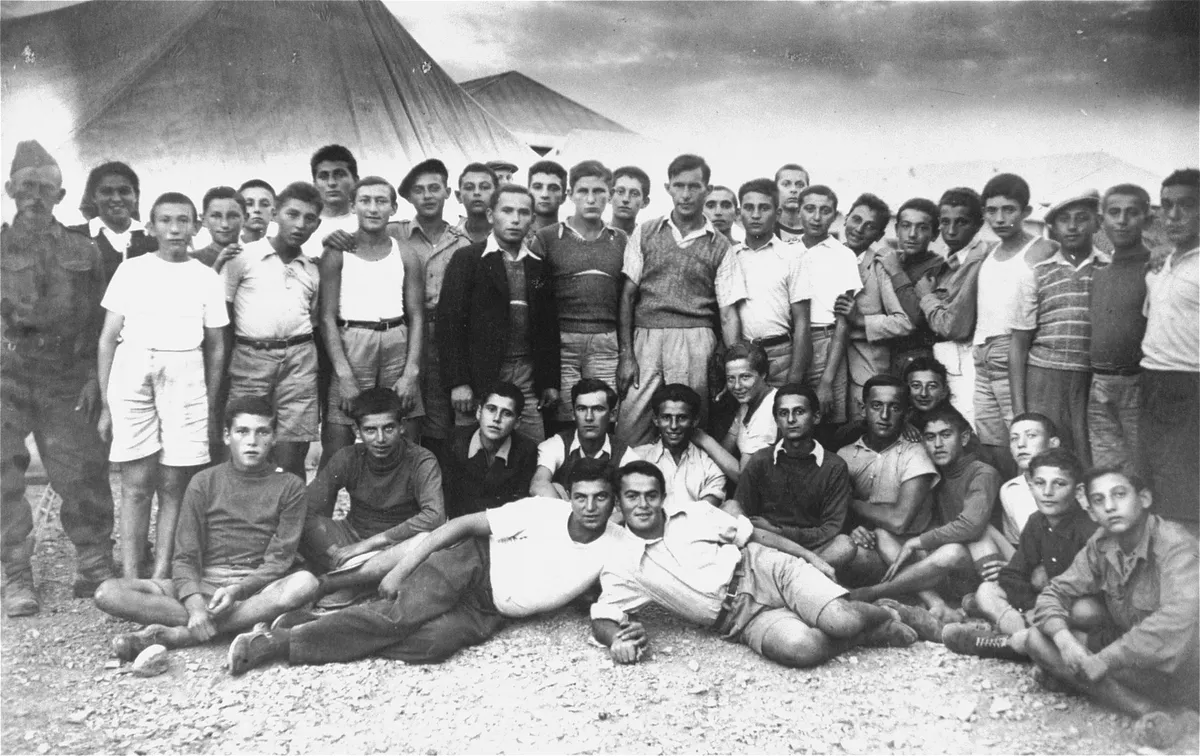
The formation of the Anders Army, intended to fight alongside the Allies against Nazi Germany, played a crucial role in the evacuation of Polish Jews. In a humanitarian gesture, about a thousand Polish Jewish children were included in this evacuation to Iran. Tehran, at that time a neutral country with strong ties to Germany, became a hub for Allied activity following the invasion, providing a temporary refuge for these children.
In Tehran, the evacuated Polish Jewish children were gathered at the ‘Hebrew Children’s Home of Tehran’. This institution became a sanctuary where they could find some semblance of normalcy amidst the chaos of war. Dekel’s journey to retrace her father’s steps took a decade of research and writing, emphasizing the importance of remembering these narratives.
As she reflects on her father’s experiences, Dekel notes, “This book is about my father and me, but it is also about a quarter of a million Polish Jews who survived in a similar way; my father’s story is therefore both unique and universal.” This sentiment encapsulates the broader struggle of Polish Jews during this dark chapter of history.
The journey of Hannan Teitel’s family from Arkhangelsk to Uzbekistan spanned 2,000 kilometers, a testament to their determination to survive. In the midst of their flight, tensions existed between Polish Jews and Christian Poles, complicating their already perilous situation. Despite these challenges, the resilience of families like the Teitels shines through.
As Mikhal Dekel retraced her father’s journey, she experienced the emotional weight of history. The 29-hour train ride she took to follow in his footsteps was a powerful reminder of the sacrifices made by her family and countless others. The legacy of their survival continues to resonate, reminding us of the importance of preserving these stories.
While the historical accounts are rich with detail, uncertainties remain about the full extent of the experiences faced by Polish Jews during their escape. As Dekel poignantly asks, “What is Treblinka?”—a reference to one of the most infamous extermination camps—these questions linger, urging us to delve deeper into the narratives that shaped the lives of so many.