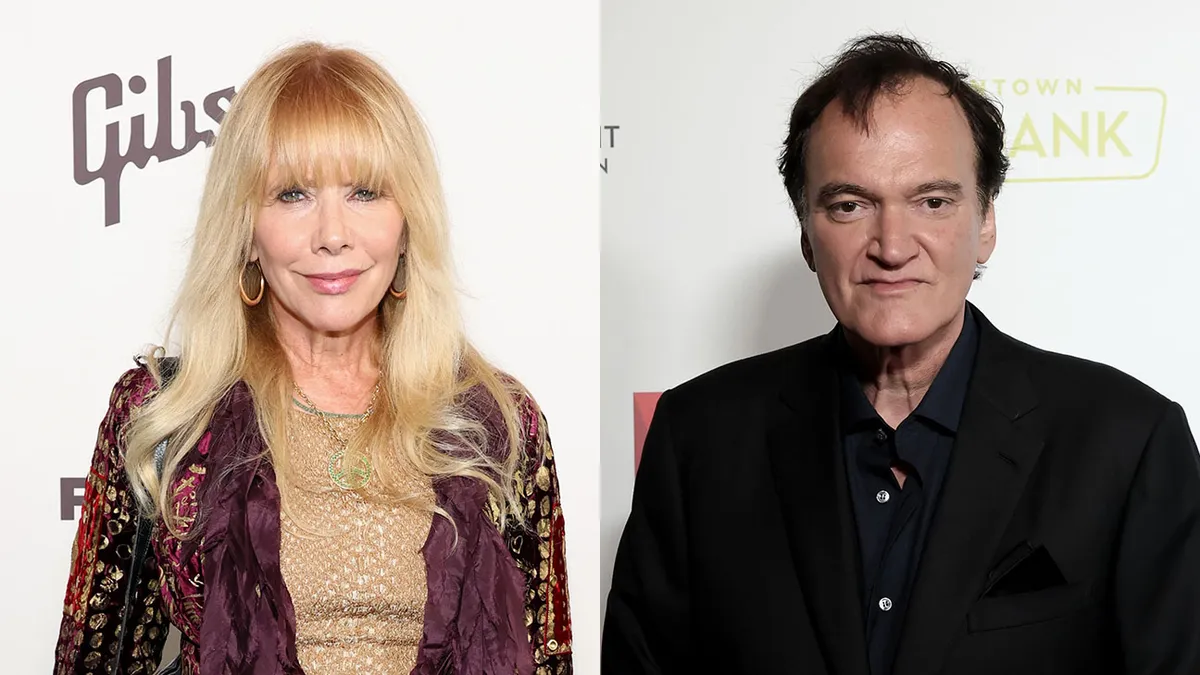
Pulp Fiction Sparks Controversy Over Racial Language
Rosanna Arquette’s recent criticism of Quentin Tarantino’s use of the N-word in his iconic film Pulp Fiction has reignited discussions about race and language in cinema. This exchange, which has garnered attention from 132 media outlets, highlights the ongoing debate surrounding the film’s legacy since its release in 1994.
Arquette, who portrayed the character Jody in Pulp Fiction, expressed her disapproval of the language used in the film, stating, “I am over the use of the N-word — I hate it. I cannot stand that [Tarantino] has been given a hall pass. It’s not art, it’s just racist and creepy.” Her comments reflect a growing sensitivity to racial language in the film industry.
In response, Tarantino defended his work and criticized Arquette’s remarks, accusing her of lacking class and honor. He stated, “I hope the publicity you’re getting from 132 different media outlets writing your name and printing your picture was worth disrespecting me and a film I remember quite clearly you were thrilled to be a part of?” This back-and-forth has drawn attention to the complexities of artistic expression and accountability.
Tarantino’s film has faced criticism over the years from various figures, including director Spike Lee, who has also condemned the use of racial slurs in cinema. The director emphasized the importance of maintaining an esprit de corps among artistic colleagues, a sentiment echoed in his response to Arquette’s comments.
Arquette’s criticism is not without context; she has previously spoken out about her experiences in Hollywood, including her claim that she was the only actress involved in Pulp Fiction who did not receive a backend share of the movie’s takings. This adds another layer to the conversation about equity and representation in the film industry.
Furthermore, both Tarantino and Arquette have connections to producer Harvey Weinstein, who was involved in the making of Pulp Fiction. Arquette was among the actresses interviewed for a 2017 expose of Weinstein, which has brought issues of power dynamics and misconduct in Hollywood to the forefront.
As the dialogue surrounding Pulp Fiction continues, it raises questions about the responsibilities of filmmakers when it comes to language and representation. The film, which remains a cult classic, is now at the center of a renewed scrutiny regarding its impact on audiences and the industry.
Details remain unconfirmed regarding any further developments in this ongoing controversy, but the discourse surrounding race and language in film is likely to persist as more voices join the conversation.