Introduction
The rivalry between Qatar and the United Arab Emirates (UAE) has garnered significant attention recently, stemming from political conflicts, economic competition, and cultural differences. As two of the most influential nations in the Gulf Cooperation Council (GCC), the relationship between Qatar and the UAE has implications for regional stability, economic collaboration, and international alliances. Understanding the dynamics of their rivalry is crucial in these turbulent geopolitical times.
Current Political Landscape
The diplomatic ties between Qatar and the UAE were notably strained in 2017 when the UAE, alongside Saudi Arabia and Bahrain, imposed a blockade on Qatar, accusing it of supporting terrorism—a charge Qatar vehemently denies. Although the blockade was officially lifted in early 2021, tensions persist. Recent developments have seen both countries competing for influence in the region, especially concerning international events, trade partnerships, and sports diplomacy.
Economic Competition
Economically, both nations aim to diversify their economies away from oil dependency. Qatar has been focusing on elevating its tourism sector, leveraging its hosting of the 2022 FIFA World Cup, while the UAE continues to develop its sectors like technology and renewable energy. Both countries have launched various initiatives to attract foreign investment and skilled labor, leading to increased competition for business and talent.
Cultural and Sports Rivalry
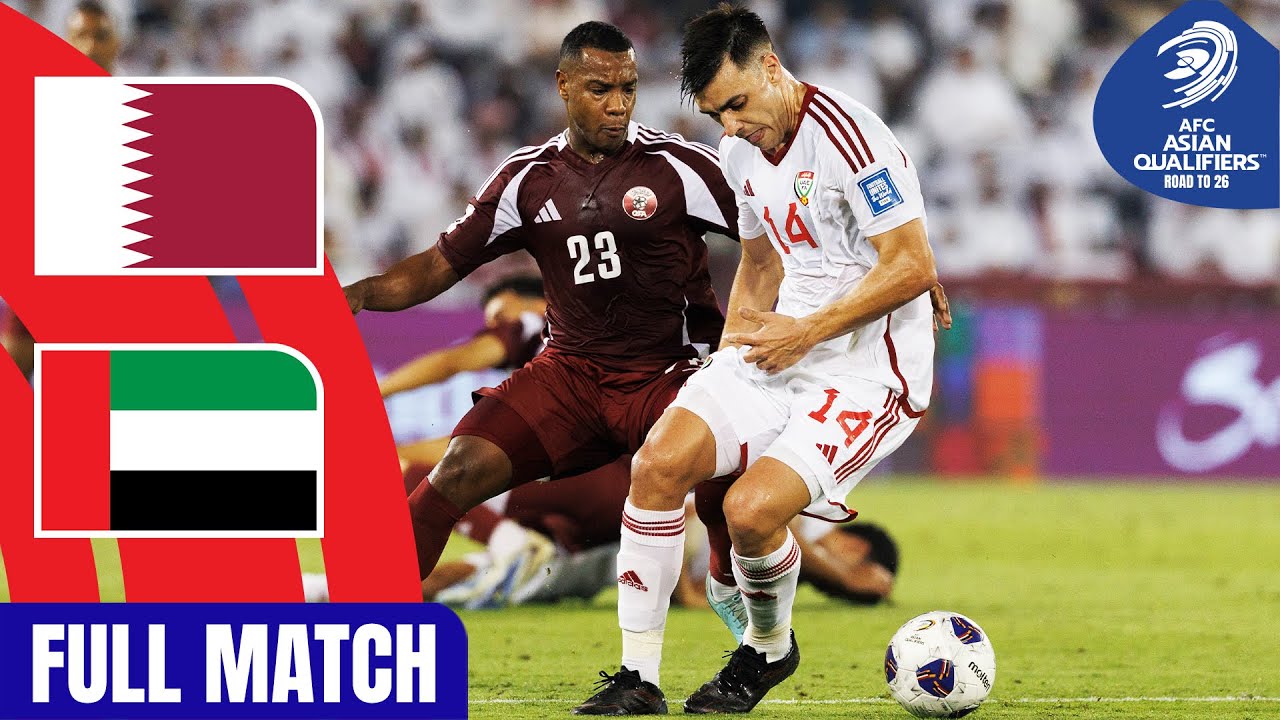
Culturally, the rivalry is reflected in sports, particularly through football. The Qatar national football team’s recent successes, including performances in international championships, have placed them on a stronger footing against the UAE. Additionally, both nations are heavily involved in hosting and sponsoring extensive sports events, aiming to project their cultural influence and global stature.
Conclusion
As Qatar and the UAE navigate their complex relationship, marked by historical contexts and current geopolitical trends, it is evident that their rivalry will play a pivotal role in shaping the future of the Gulf region. Both nations are expected to continue their competition in various sectors including politics, economics, and culture. This ongoing rivalry not only affects bilateral relations but also has broader implications for regional stability and international diplomacy in the Middle East.