Introduction
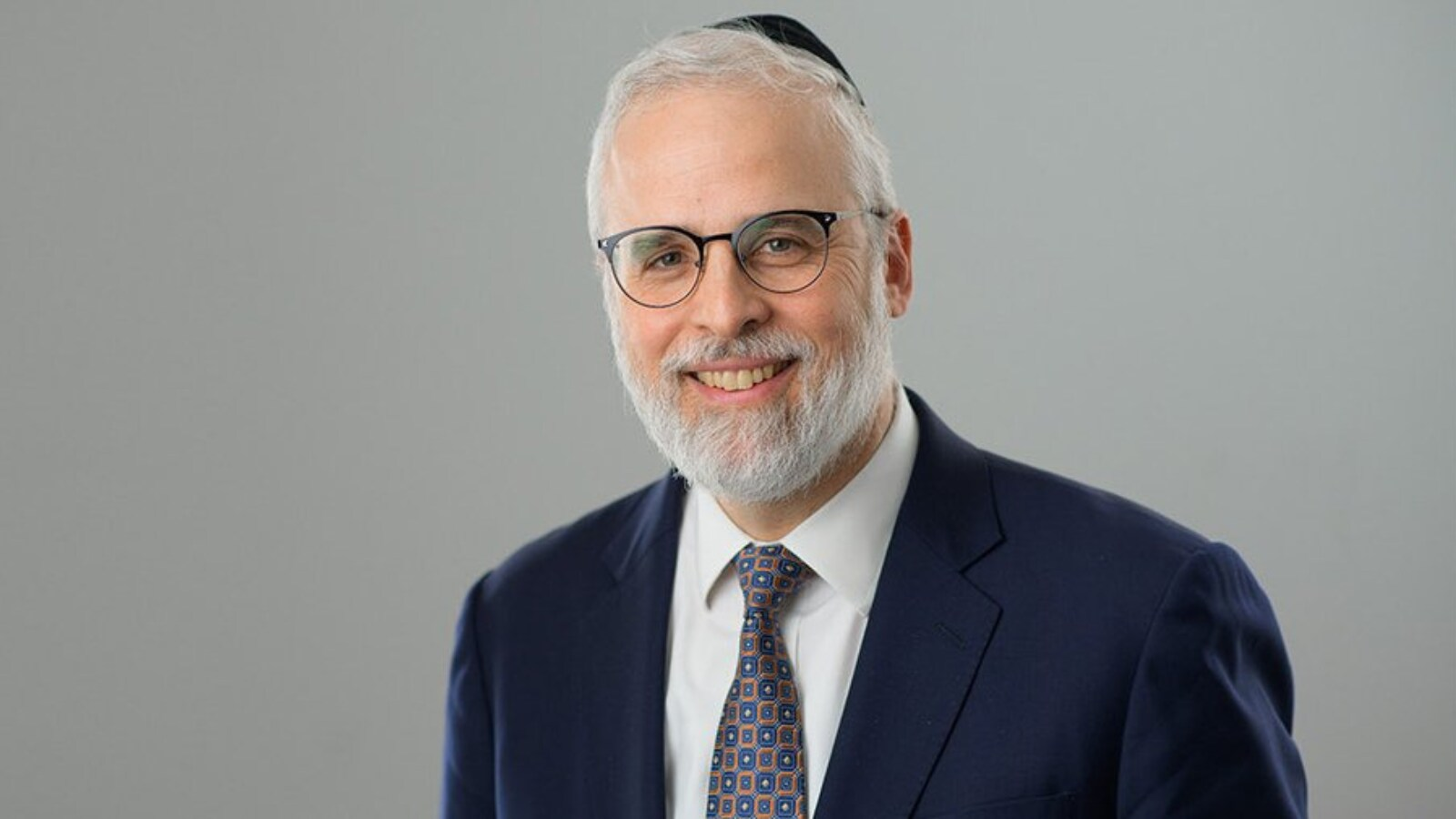
Rabbi Moshe Hauer has emerged as a prominent figure within the Jewish community, particularly in the United States, where his leadership continues to have profound impacts. As the Executive Director of the Orthodox Union (OU), Rabbi Hauer plays a critical role in fostering unity, education, and advocacy among Orthodox Judaism. His work not only strengthens Jewish identity and tradition but also addresses the pressing challenges faced by the community today.
Career and Contributions
Rabbi Hauer’s career has been marked by a dedication to Jewish education and community service. Prior to his current role, he was the rabbi at the Congregation Bnai Jacob in Baltimore, Maryland, and was known for his engaging sermons and commitment to community engagement. His leadership style combines compassion with a pragmatic approach, making him a trusted voice in matters of both religious and communal significance.
Under his guidance, the OU has launched numerous initiatives aimed at enhancing Jewish life. This includes programs for Jewish education, kosher supervision, and community development. Rabbi Hauer has also been vocal in advocating for social justice issues within and beyond the Jewish community, aligning traditional Jewish values with contemporary challenges.
Recent Events and Leadership During Challenges
In recent months, Rabbi Hauer has led the OU through various challenges, including the ongoing impacts of the COVID-19 pandemic and socio-political issues affecting Jewish communities. His address during the recent OU convention highlighted the need for resilience and adaptation, urging members to embrace innovative programming to foster connection in a time of physical distancing.
Moreover, Rabbi Hauer’s response to rising antisemitism has garnered attention. He has been actively involved in initiatives to promote interfaith dialogue and community solidarity, believing that collaboration is essential in combating discrimination and fostering understanding. His efforts reflect a commitment to not only safeguard Jewish values but to advocate for the right of all communities to exist peacefully.
Conclusion
Rabbi Moshe Hauer’s dynamic leadership and unwavering commitment to the Jewish community mark him as a significant figure during a pivotal time. His ability to engage diverse segments of the community while addressing urgent issues reflects a proactive approach to leadership. As the Jewish community continues to navigate the complexities of modern life, Rabbi Hauer’s insights and initiatives are likely to have lasting influences. Moving forward, his leadership will be crucial in ensuring that Jewish values adapt and thrive in the 21st century, promoting unity, resilience, and strength among members. The challenges ahead may be daunting, but with leaders like Rabbi Hauer at the helm, there is hope for a vibrant, cohesive, and forward-looking Jewish community.