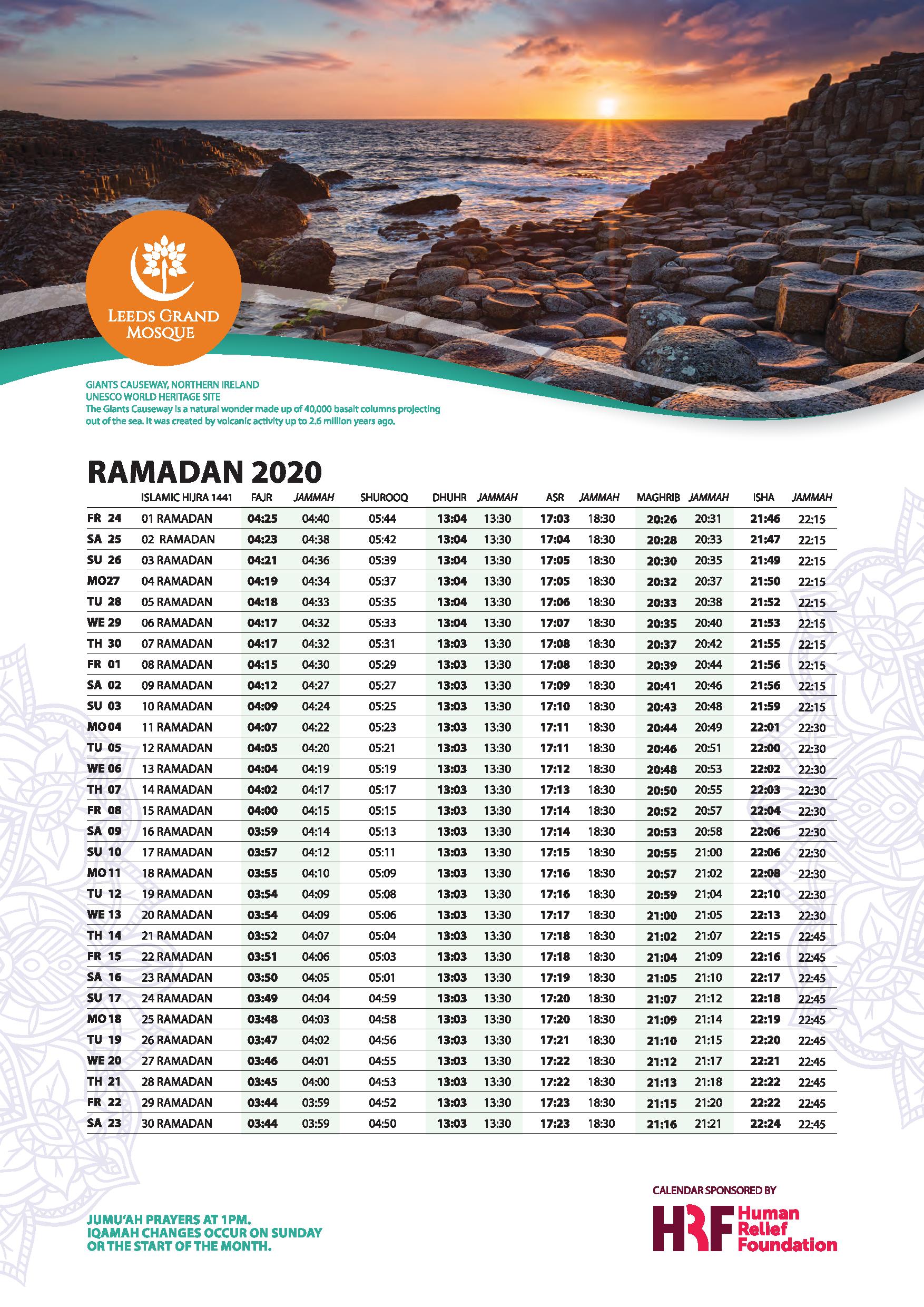
Introduction to Ramadan
Ramadan, the ninth month of the Islamic lunar calendar, holds immense significance for Muslims worldwide. It is a time for spiritual reflection, increased devotion, and worship. During this month, millions partake in fasting from dawn until sunset, which serves as a fundamental pillar of Islam. With nearly 1.9 billion Muslims globally, the observance of Ramadan not only shapes individual lives but also has a profound impact on communities and cultures around the world.
Practices and Traditions
Fasting during Ramadan, known as ‘Sawm’, involves abstaining from food, drink, and other physical needs from dawn to sunset. This act of self-discipline aims to foster a deeper sense of spirituality while promoting empathy for those less fortunate. Each day, the fast is broken with a meal called ‘Iftar’, traditionally starting with dates and water, followed by a larger meal shared with family and friends.
In addition to fasting, Muslims engage in increased prayer and the recitation of the Quran throughout Ramadan. Many aim to complete the entire Quran during this month, deepening their connection to their faith. Special night prayers, known as ‘Tarawih’, are also held in mosques, where longer portions of the Quran are recited.
Significance in the Community
Beyond individual practices, Ramadan fosters a strong sense of community and charity. It encourages Muslims to give generously, culminating in the almsgiving (Zakat) during this holy month. Many organizations and communities provide meals for the less fortunate, enhancing the sense of unity and support within neighborhoods.
Conclusion
The observance of Ramadan not only promotes spiritual growth but also fosters social bonds and compassion. As the month of fasting concludes, Muslims celebrate Eid al-Fitr, a festive holiday that marks the end of Ramadan, emphasizing gratitude and community. Increasing awareness and understanding of Ramadan can promote peaceful coexistence in increasingly diverse societies. As such, knowledge about this significant period may cultivate a shared respect for the traditions and beliefs of Muslims globally, enhancing intercultural dialogue and harmony.