Introduction
The recent earthquake in Costa Rica has captured the attention of local residents and the international community. Occurring on October 2, 2023, this seismic event, measuring 6.2 on the Richter scale, struck off the Pacific coast near the popular beach town of Manuel Antonio. Given the country’s location within the tectonically active region known as the Ring of Fire, understanding such geological events is crucial for disaster preparedness and risk management.
Details of the Earthquake
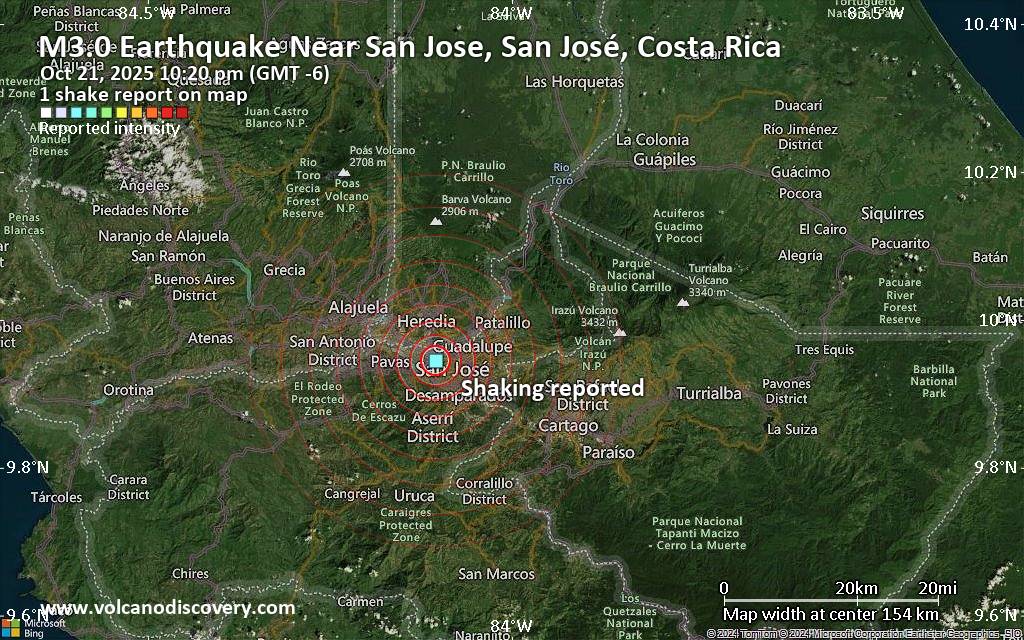
The earthquake occurred at a depth of approximately 10 kilometers and was felt as far as San José, the capital of Costa Rica, and its surrounding areas. According to the National Seismological Network of Costa Rica (Red Sismológica Nacional de Costa Rica), the quake struck at 3:30 PM local time, causing buildings to sway and prompting many residents to evacuate their homes. Fortunately, there were no immediate reports of significant damage or casualties, although authorities urged caution as aftershocks could continue.
Many residents described the quake as one of the strongest they had experienced, with some reporting it lasted for nearly a minute. Local emergency services were deployed to assess the impact and ensure the safety of citizens, while the government prepared to conduct thorough inspections of public infrastructure.
Impact and Response
The Ministry of Environment and Energy (MINAE) has highlighted the importance of retrofitting older buildings to withstand such seismic events. The earthquake served as a reminder of Costa Rica’s vulnerability due to its geological characteristics. Experts recommend that citizens maintain emergency preparedness protocols in light of the recurring nature of seismic activity in the region.
In response, several organizations and community groups have started disaster preparedness workshops to help residents develop essential skills, such as creating emergency kits and understanding evacuation procedures. The government is also emphasizing the importance of earthquake drills in schools to better equip future generations.
Conclusion
While the recent earthquake in Costa Rica thankfully did not result in widespread damage, it underscored the necessity for continuous preparedness in a country that frequently experiences seismic events. As discussions arise about building regulations and disaster planning, the event highlights the importance of education and community resilience in mitigating the impact of future earthquakes. As Costa Rica continues to develop, the focus on earthquake preparedness will be paramount for safeguarding both residents and infrastructure.