Introduction
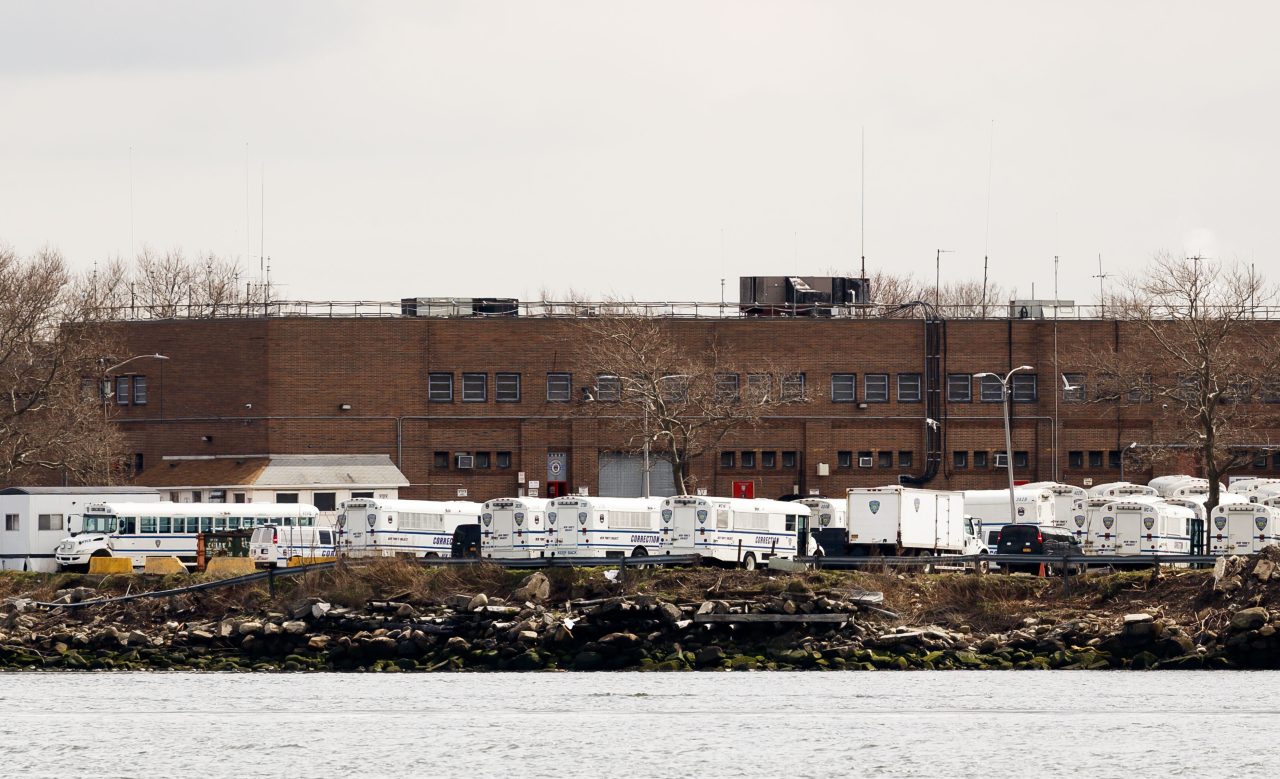
Rikers Island has long been a focal point in discussions about the American correctional system. Situated in New York City, this notorious jail has been synonymous with overcrowding, violence, and systemic issues. In recent years, the rising tide of advocacy for prison reform has intensified scrutiny on Rikers, highlighting the urgent need for change. The current initiatives surrounding the facility are essential not only for the inmates but for the broader landscape of criminal justice in the United States.
Current Situation at Rikers Island
Rikers Island has been grappling with severe challenges, including overpopulation and poor living conditions. Reports indicated that the facility housed around 6,000 inmates as of late 2023, a worrying status given its designed capacity of roughly 5,000. Inmates have faced dire conditions, including inadequate access to healthcare and rampant violence from both inmates and staff.
In response to these alarming conditions, the city has undertaken a series of reform initiatives. New York City Mayor Eric Adams has pledged to close Rikers Island by 2027, aiming to replace it with smaller, more humane facilities that prioritize rehabilitation over punishment. This decision is rooted in a commitment to reduce the jail population and provide better support services for those incarcerated.
Legislative and Advocacy Movements
The push for reform at Rikers Island has gained momentum from various advocacy groups, local politicians, and the public. Recent legislative proposals aim to address immediate concerns such as overcrowding, mental health support, and the treatment of inmates. Activists argue that the current practices at Rikers perpetuate a cycle of violence instead of fostering an environment conducive to rehabilitation.
Public forums and protests have been organized to raise awareness about the plight of inmates at Rikers, emphasizing the need for systemic change. Moreover, documentaries and media coverage have brought the conditions into public view, galvanizing public support for reform movements.
Conclusion: Significance of Ongoing Reforms
The developments surrounding Rikers Island serve as a critical juncture for the future of the U.S. correctional system. If Mayor Adams can successfully implement plans to close Rikers, it could set a precedent for reform in the rest of the nation. The outcome of these changes is likely to influence policies around incarceration, treatment of offenders, and justice reform, resonating with communities far beyond New York City.
As reforms unfold, it is crucial for citizens to stay informed and engaged with these issues, not only for the sake of those currently incarcerated but also for the movement toward a more just and equitable society. Rikers Island remains a symbol of both the problems and potential solutions in addressing the challenges of modern correctional facilities.