Introduction
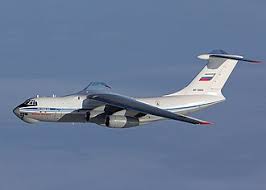
Russian jets have long been a focal point of global military aviation discussions, representing a blend of technological advancement and strategic military capabilities.
As international tensions continue to rise, particularly due to the ongoing conflict in Ukraine, the performance and advancements of Russian military aircraft have come under scrutiny. Understanding the evolution and current state of Russian jets is crucial for assessing their impact on global security dynamics.
Recent Developments
In recent weeks, Russia has showcased significant enhancements to its fleet of military jets, particularly the Su-57 stealth fighter and the advanced Su-34 strike aircraft. Reports indicate that the Su-57 has undergone several upgrades aimed at improving its stealth capabilities, avionics, and weapon systems, allowing it to compete with Western counterparts like the F-35.
Additionally, defense analysts observed increased activity involving strategic bomber jets, such as the Tu-160 and Tu-95. These long-range bombers have been deployed in military drills that emphasize their capability to deliver precision strikes over great distances, showcasing Russia’s potential reach in global military operations.
Global Reactions
The advancements in Russian aviation technology have sparked concern among NATO allies and other countries. The Pentagon has reported heightened surveillance and intelligence-gathering missions in response to the intensifying activity of Russian jets near their borders. Notably, NATO has increased its air patrols and defense readiness in Eastern Europe as part of a broader strategy to deter potential aggression from Russia.
Moreover, exports of Russian aircraft are facing new challenges as Western sanctions impact the defense sector. Countries that have historically relied on Russian military technology are now re-evaluating their defense partnerships in light of the current geopolitical climate.
Conclusion
The developments in Russian jets signify much more than mere advancements in aviation technology; they serve as a barometer for international relations and military readiness. Analysts predict that as Russia continues to invest in and improve its aerial fleet, tensions will remain high, particularly in Europe and regions where Russian military influence is significant. With these shifts in military aerospace capabilities, it is essential for global powers to remain vigilant and adaptive to the evolving landscape.