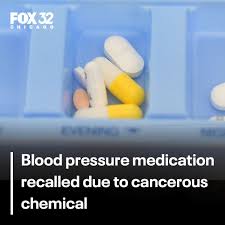
Introduction
High blood pressure, or hypertension, affects millions of Americans and often requires medication to manage. However, recent recalls of high blood pressure medications have raised significant concerns about safety and efficacy. Understanding these recalls is crucial for patients, as they directly impact treatment plans and health outcomes. This article highlights the importance of these recalls, notable incidents, and steps patients should take.
Recent Recalls of High Blood Pressure Medications
In recent months, several high blood pressure medications have been recalled due to potential health risks. The U.S. Food and Drug Administration (FDA) has issued alerts regarding medications found to contain unacceptable levels of impurities, which may pose serious health risks, particularly for vulnerable populations.
For instance, in September 2023, a recall was announced for a batch of the antihypertensive drug Valsartan, after it was found to contain trace amounts of N-nitroso-Valsartan, a substance classified as a potential carcinogen. Patients using this medication were advised to consult their healthcare providers immediately and consider alternative treatments.
Additionally, the FDA recently recalled certain lots of Amlodipine, another common medication prescribed for hypertension, due to contamination with a harmful substance that could lead to adverse effects. The recalls prompted pharmacies nationwide to check their inventory and remove potentially harmful products.
Impact and Recommendations for Patients
For patients prescribed high blood pressure medications, these recalls can lead to confusion and concern. The first step is to check if your medication is affected by any recalls. You can do this by visiting the FDA’s website or speaking directly with your pharmacist.
Patients are urged to avoid stopping their medication without first consulting their healthcare provider. Abrupt changes in blood pressure can lead to serious health complications, including heart attacks and strokes. Healthcare professionals can provide guidance on alternative medications or adjustments to treatment plans.
Conclusion
The recent recalls of high blood pressure medications underline the importance of vigilance in patient safety. With the prevalence of hypertension in the United States, it is critical for individuals to remain informed about their medications and any potential risks associated with them. As recalls continue to emerge, staying updated through reliable sources such as the FDA or healthcare providers will ensure that patients can manage their condition safely and effectively, ultimately prioritizing their health and wellbeing.