Introduction
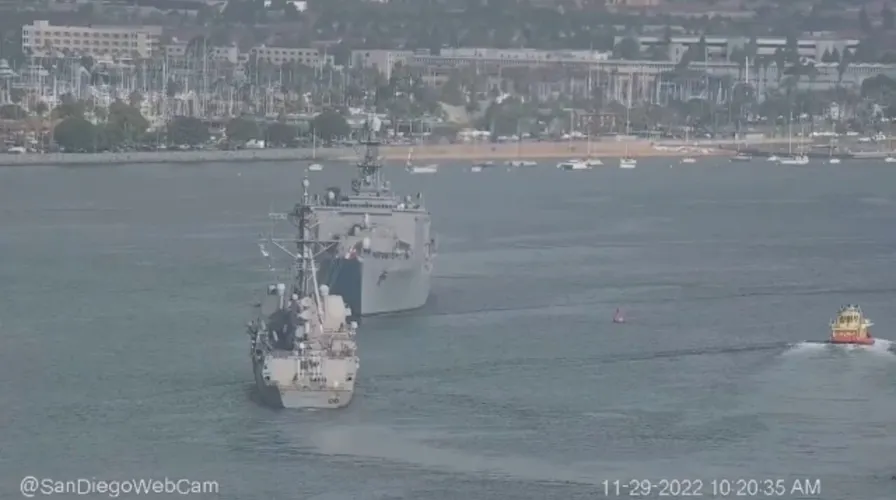
The US Navy plays a crucial role in maintaining maritime security and protecting national interests. However, a worrying trend has emerged with several incidents involving US Navy ships colliding in recent months. These collisions not only endanger the lives of sailors but also raise significant concerns about operational readiness, safety protocols, and navigational limitations within busy maritime channels.
Recent Incidents
In the past two months alone, there have been two notable collisions involving US Navy vessels. The first incident occurred on September 15, 2023, when the USS Thomas Hudner, a destroyer stationed in the Pacific Fleet, collided with a civilian cargo ship during a routine training exercise. Fortunately, there were no serious injuries reported, but the ship sustained considerable damage.
Another collision took place on October 1, 2023, involving the USS New Jersey, where the ship inadvertently struck a supply vessel during low visibility conditions off the coast of California. This incident led to minor injuries among crew members and further underscored the need for enhanced situational awareness and navigational caution.
Analysis of Factors
Experts attribute these collisions to a combination of factors, including increased maritime traffic, outdated navigation technology, and crew fatigue. As global shipping activities rebound post-pandemic, naval operations face escalating challenges in shared waters. Moreover, many naval vessels, and especially older models, are equipped with aging radar and communication systems, prompting calls for modernization to meet current navigational demands.
Response from the Navy
The US Navy is taking these incidents seriously, launching investigations into each collision to determine the precise causes and to restore confidence in naval operations. Fleet commanders have already implemented several safety measures, including mandatory training sessions focusing on collision avoidance, enhanced watch rules, and advanced navigational protocols. Additionally, discussions are underway regarding investments in newer technology aimed at improving situational awareness at sea.
Conclusion
The recurring collisions of US Navy ships highlight a profound need for reassessment of current operational practices and technological capabilities. As the Navy confronts the challenges posed by increased maritime activity and aging infrastructure, it remains imperative to enhance training and safety measures. Looking ahead, the success of these efforts will be critical in ensuring the safety and readiness of naval forces, maintaining their ability to operate effectively in an increasingly crowded maritime domain.