Canada has imposed a limit of ten psychotherapy sessions per year for asylum seekers and refugees. This decision raises serious concerns about the mental health support available to these vulnerable populations.
Janet Cleveland, a mental health expert, stated, “We know very well that among asylum seekers and refugees, there are many people who have suffered extreme violence.” This context emphasizes the need for adequate psychological support.
As of January 2027, all patients will face this limitation. Critics argue that such a cap is insufficient for individuals with severe trauma. Daphnée-Sarah Ferfache expressed frustration, saying, “I am being asked to do this with severely traumatized patients in just 10 meetings.”
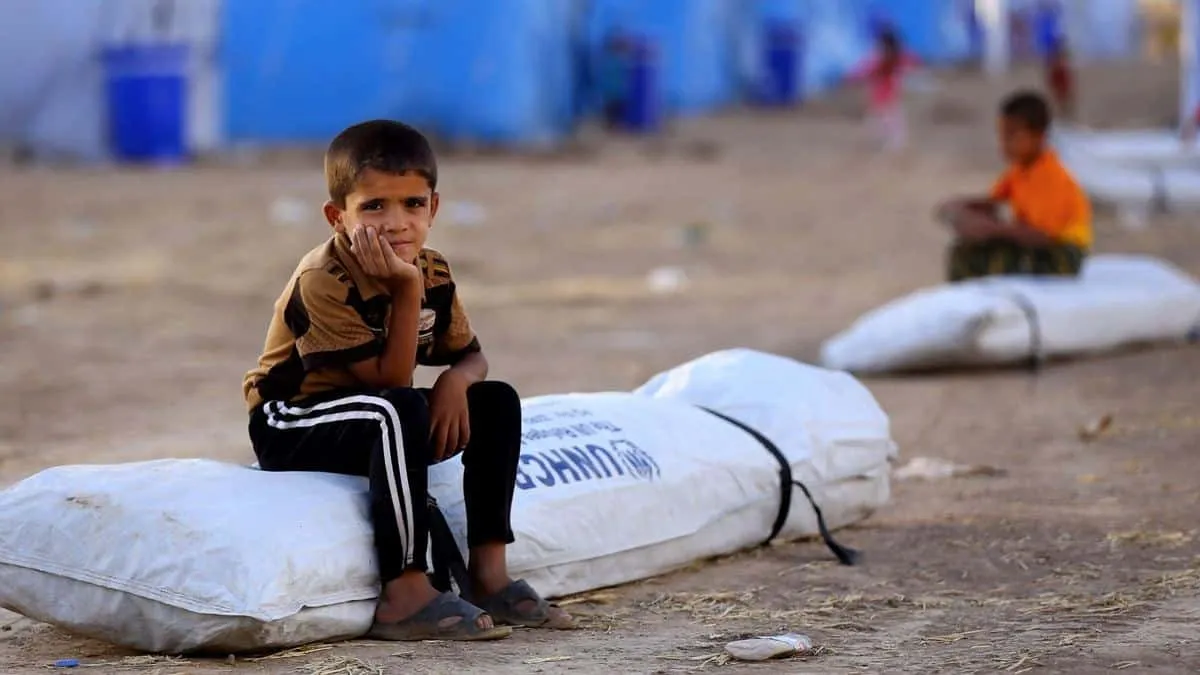
The situation in Greece highlights the urgency of mental health support for refugees. Currently, around 120,000 refugees and migrants await asylum processing in Greece. Among them are at least 5,200 unaccompanied minors, living under dire conditions.
In response to this crisis, ten European countries have joined a program to welcome approximately 1,600 migrant children. Portugal was the first country to volunteer for this initiative.
Turkey currently hosts about 3.4 million refugees and migrants, many fleeing conflicts from Syria and Afghanistan. The ongoing conflict has driven thousands to seek refuge in Europe.
The need for comprehensive healthcare access is paramount. Asylum seekers often face barriers that hinder their ability to obtain necessary services. The new limitations on psychotherapy could exacerbate these challenges.
The implications of Canada’s decision extend beyond its borders. Human rights advocates are voicing concerns that such policies undermine the well-being of those seeking refuge.
As discussions continue, stakeholders are calling for policy revisions that prioritize mental health care for asylum seekers and refugees. The next steps remain uncertain as advocacy efforts gain momentum.