Introduction: The Importance of The Day the Music Died
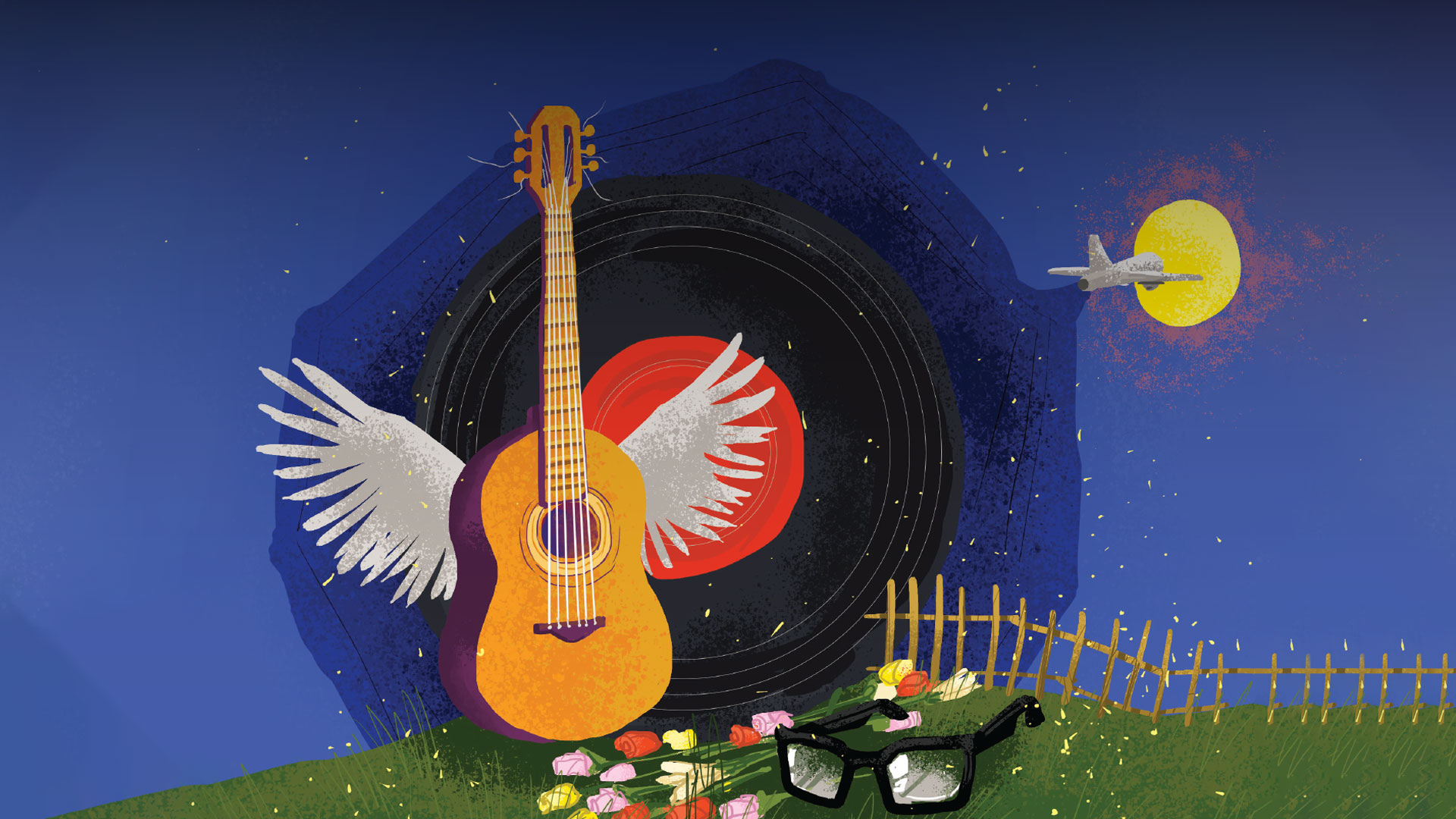
The phrase ‘The Day the Music Died’ refers to February 3, 1959, a date that holds significant importance in American music history. It marks the tragic plane crash that took the lives of famed rock ‘n’ roll musicians Buddy Holly, Ritchie Valens, and J.P. ‘The Big Bopper’ Richardson. This event not only shifted the trajectory of the burgeoning music genre but also left an indelible mark on fans and the music industry alike.
The Tragic Event
On that fateful night, the trio had just performed a concert in Clear Lake, Iowa, part of a tour that was financially strained due to harsh winter conditions. In a bid to beat the cold and reach their next venue in Moorhead, Minnesota, they chartered a small plane—a decision that would become fatal. Just minutes after takeoff, the plane encountered treacherous weather, crashing into a cornfield and resulting in the instant death of all aboard.
Impact on Music and Culture
The loss of Holly, Valens, and Richardson wasn’t merely a setback for their families or fans; it represented a profound loss to the music world. Buddy Holly, known for his innovative songwriting and recording techniques, was only 22 at the time of his death but had already laid a foundation for future rock artists. Ritchie Valens, whose hit “La Bamba” blended rock with Latin influences, was also just beginning to capture the hearts of audiences. The Big Bopper, recognized for his hit “Chantilly Lace,” was instrumental in shaping the genre’s humorous and storytelling aspects. Their passing left a void in the music community and changed the landscape of rock ‘n’ roll.
Legacy and Commemoration
Each year, fans and musicians alike commemorate this tragic event, honoring the legacy of the three stars. The phrase ‘The Day the Music Died’ was popularized further by Don McLean in his 1971 song “American Pie,” which reflects not only the reverence for the artists lost but also the broader shifts in American culture following their deaths.
Conclusion: Significance for Today’s Readers
As we remember February 3, we reflect on the fragility of life and the unpredictability of fame. The Day the Music Died serves as a reminder of the impact that artists can have on generations and how their legacies can endure, continuing to influence music and culture today. For readers, it prompts an understanding of history and the way it intertwines with art, urging us to celebrate creativity while recognizing the fleeting nature of existence.